
 EN
EN
 ar
ar bg
bg hr
hr cs
cs da
da nl
nl fi
fi fr
fr de
de el
el hi
hi it
it ko
ko no
no pl
pl pt
pt ro
ro ru
ru es
es sv
sv tl
tl iw
iw id
id lv
lv lt
lt sr
sr sk
sk sl
sl uk
uk vi
vi et
et hu
hu th
th tr
tr fa
fa ms
ms hy
hy ka
ka ur
ur bn
bn mn
mn ta
ta kk
kk uz
uz ku
ku
resistive strain sensor
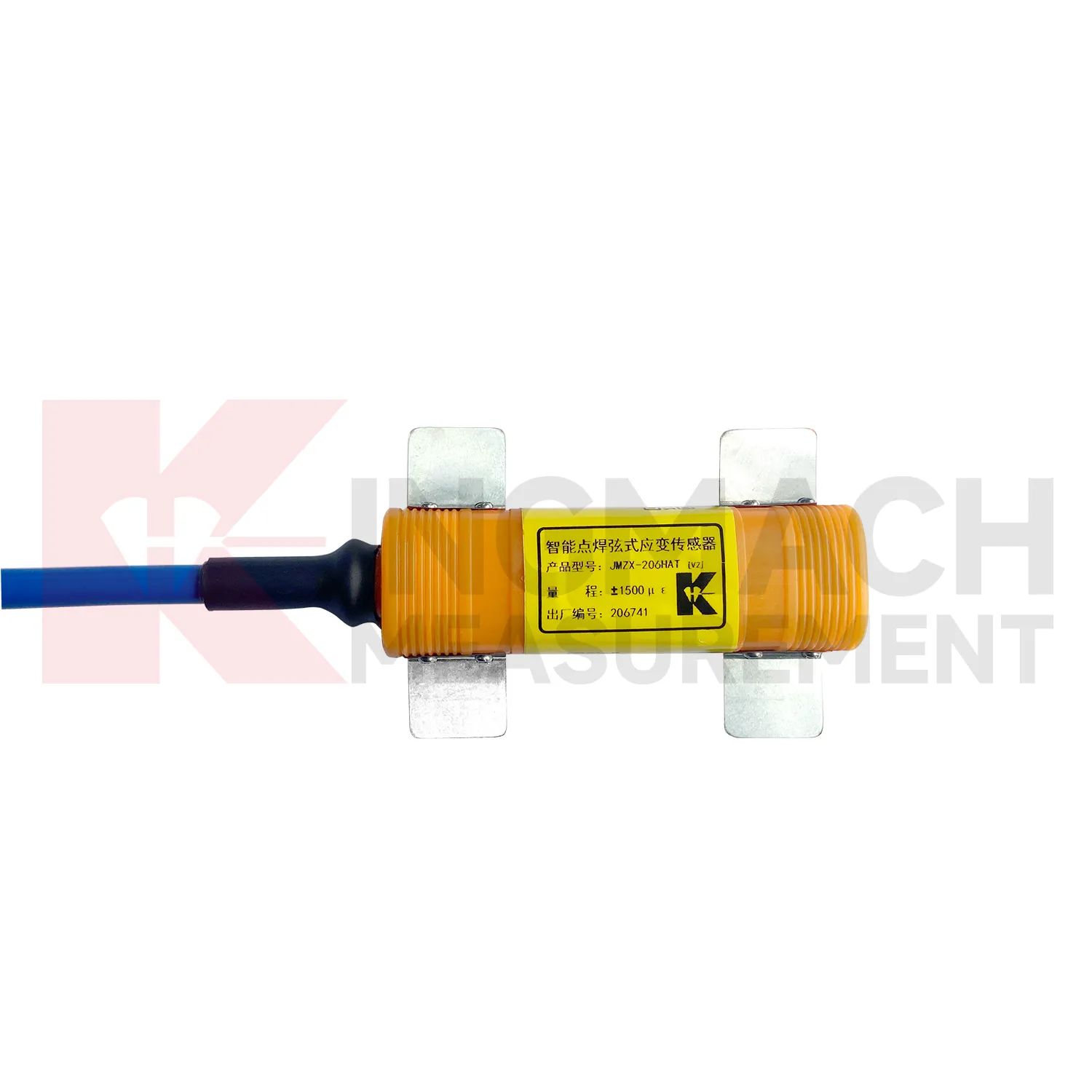
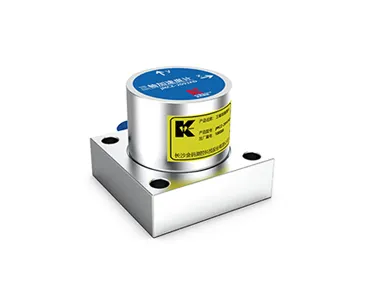
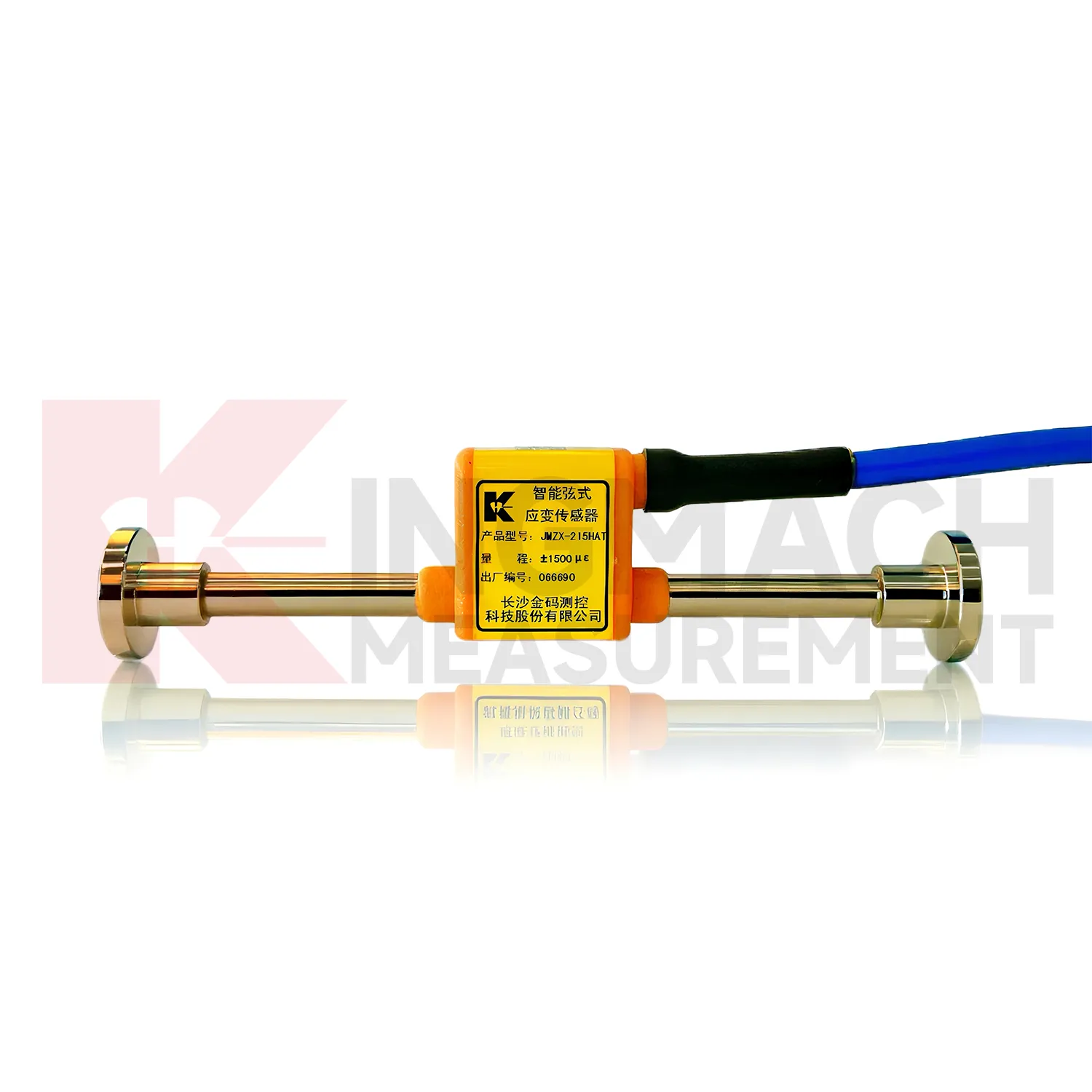
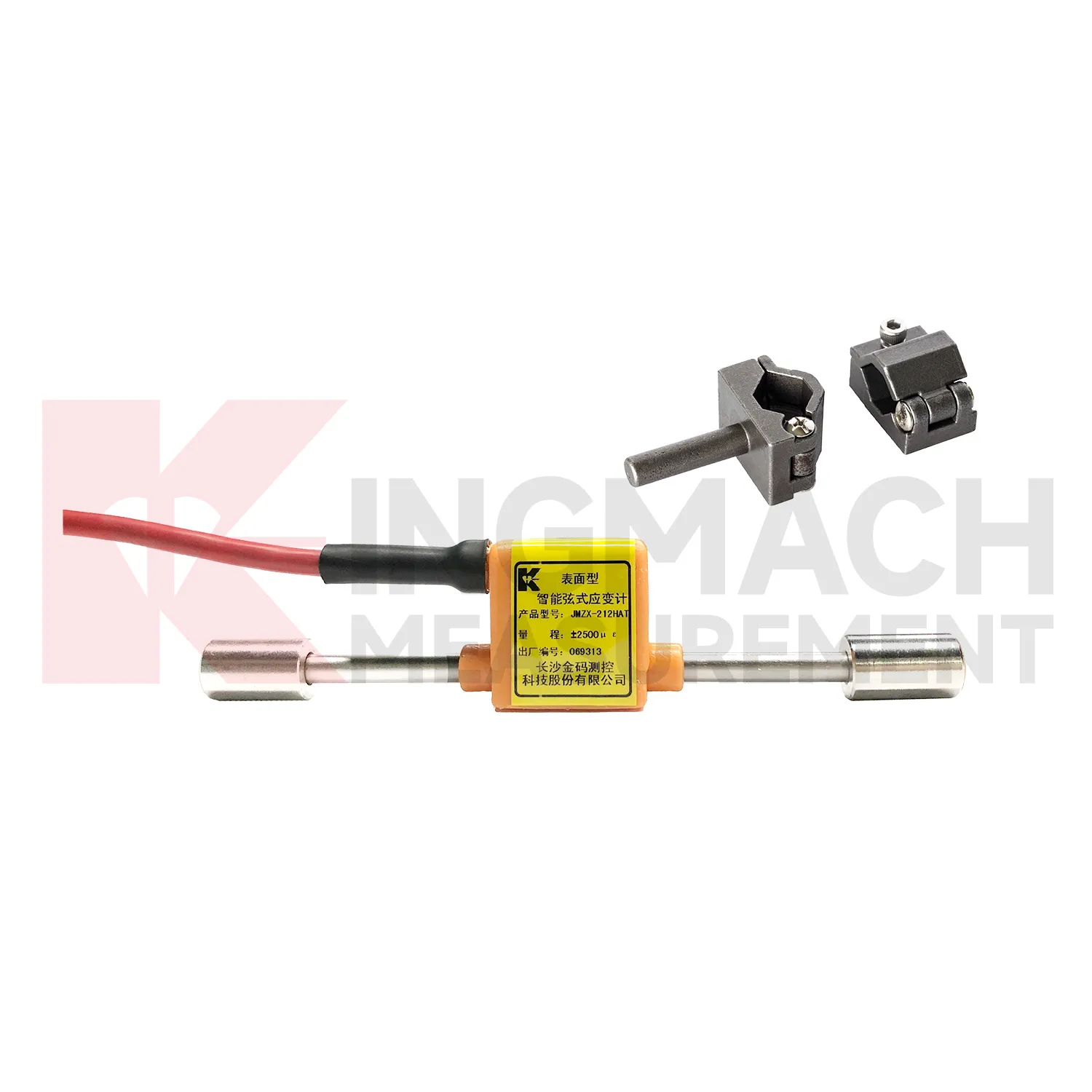
Kingmach {keyword} is not a single stand alone item; it is part of a measurement chain. Surface gauges, embedded gauges, welded gauges, and rebar strainmeters can be paired with comprehensive readout units, automated acquisition modules, wireless loggers, instrumentation cables, and cloud monitoring platforms. That matters on infrastructure projects where one weak link can distort the whole strain record. The surface model offers ±2500 microstrain range and 0.1 microstrain resolution, while the embedded model offers ±1500 microstrain range for internal concrete measurement. The welded model stores up to 800 records and supports digital transmission. These features help engineers choose a model based on structure type, installation access, exposure condition, and required data path. Kingmach's role as a structural health monitoring manufacturer gives buyers one source for sensors, acquisition, and long term field support. The product family also supports different buyer intents. Some searches focus on a strain gauge sensor, others on a force related strain gauge load cell, a data logger, or a manufacturer. The same Kingmach range connects those needs through measured strain data. A clear specification record reduces confusion when the same project uses surface, embedded, welded, and rebar based instruments together. That is why model data, calibration values, and channel labels should travel with the product from procurement to commissioning.
Application of resistive strain sensor
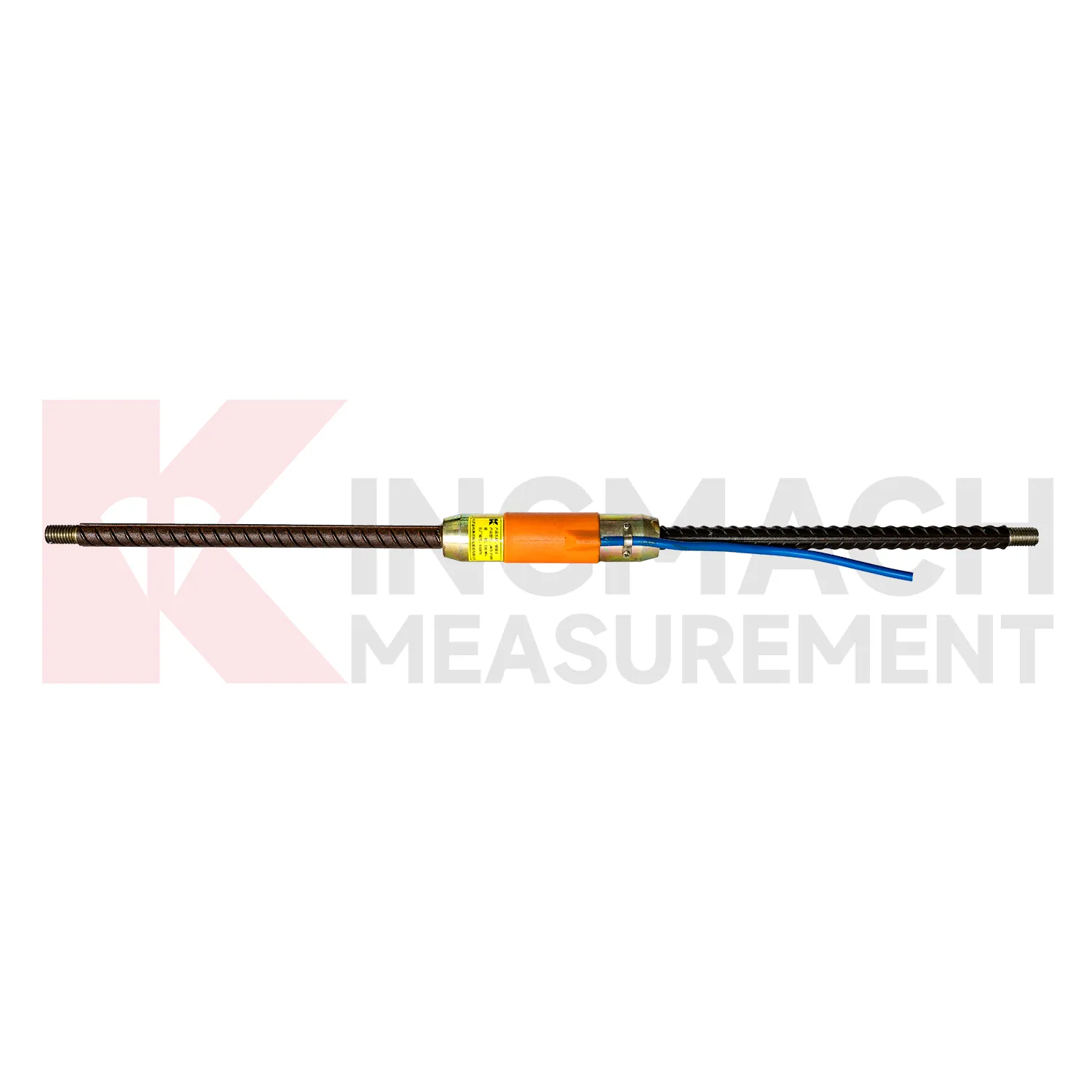
For slope, retaining wall, and foundation pit monitoring, {keyword} can be used on anchor rods, steel braces, retaining piles, reinforcement cages, or concrete support structures. These projects need early warning on stress redistribution, crack extension, support overload, and ground movement effects. Kingmach JMZX-4XXHAT/HB rebar strainmeters measure reinforcement stress across -200 MPa to 350 MPa with 0.1 MPa sensitivity and 0.5%F.S. accuracy, while the waterproof structure reaches 2 MPa. That makes the product suitable for buried or wet reinforced concrete members where ordinary surface checks are not enough. In deep excavation, strain data can be reviewed with displacement meters, tiltmeters, settlement sensors, and water level data. The combined record helps engineers decide whether support members are carrying load safely during each construction stage. Kingmach systems can pair the strain point with automated acquisition, which reduces manual reading work in locations that are dangerous, remote, or disruptive to access. That is often the difference between occasional checks and a useful monitoring record. When data is collected automatically, engineers can compare daily movement instead of relying on occasional manual readings. This gives the project team a better way to separate normal behavior from a change that needs inspection.
The future of resistive strain sensor
Installation quality will also become more visible in the future of {keyword}. Many strain monitoring failures begin with poor surface preparation, weak welding, cable damage, water entry, or unclear channel labeling. Smart acquisition systems can help by checking unstable readings, abnormal signal behavior, or sudden baseline shifts soon after installation. Kingmach's welded model already stores calibration coefficients and sensor identity, while temperature versions support correction at the monitoring point. Future field tools may combine these details with mobile installation records, QR codes, and automatic channel registration. That will not make installation effortless, but it will make mistakes harder to hide and easier to correct before the structure enters service. For project owners, the benefit is a monitoring network that explains behavior sooner and keeps records organized enough for later inspection, repair planning, and asset management. It also makes sensor data easier to use in owner reports and maintenance meetings. The strongest gains will come from cleaner records and faster fault checks.
Care & Maintenance of resistive strain sensor
Temperature management is part of maintaining {keyword}. Kingmach temperature versions can measure the monitoring point across -40℃ to +120℃ with ±0.5℃ temperature measurement accuracy, allowing strain correction when thermal movement affects the reading. During installation, keep temperature sensor wiring and strain wiring clearly labeled. During long term use, compare strain changes with temperature records before judging a structural problem. Bridges, exposed steel, dam galleries, and tunnel entrances can all show daily or seasonal thermal movement. If a channel drifts, review weather, curing stage, sunlight exposure, nearby heat sources, and acquisition settings. This simple habit prevents normal thermal behavior from being mistaken for structural distress. A simple inspection schedule should cover waterproof seals, cable jackets, grounding, connectors, data logger power, communication status, and comparison with nearby sensors. Compare suspicious readings with nearby channels before repair decisions. Keep these checks in the project log. Review the channel after major site work.
Kingmach resistive strain sensor
Engineers select {keyword} when the monitoring point must stay close to the material being measured. Surface models follow strain on concrete or steel. Embedded models are tied to rebar or brackets before concrete placement. Weldable models are fixed to steel members after surface preparation. Rebar strainmeters replace or connect with reinforcing bars to read stress inside reinforced concrete. Kingmach's strain gauge products share the same purpose even when their installation methods differ: they help describe how load, temperature, settlement, vibration, or construction activity changes the stress state of a structure. The result is a measured strain history that can be checked during inspection rather than reconstructed from memory. Temperature correction, automated acquisition, and long distance signal transmission can be included when the project needs continuous readings from exposed or hard to reach locations. Site records matter. That field record supports later inspection. It also gives engineers a cleaner baseline for later comparison.
FAQ
Q: Where is {keyword} used in bridge monitoring?
A: It can be installed on girders, decks, steel beams, reinforcement, piers, and other stress sensitive locations to track traffic load and fatigue behavior.
Q: How does it help tunnel monitoring?
A: Embedded or welded gauges can read lining strain, support force, reinforcement stress, and ground pressure effects during construction and service.
Q: Can it be used in dams?
A: Yes. Embedded and surface models are used for concrete strain, stress state review, temperature related movement, and long term dam safety monitoring.
Q: Is it useful for foundation pits?
A: Yes. Rebar strainmeters and welded gauges can monitor support stress, anchor force changes, brace behavior, and retaining structure response.
Q: What other sensors are often used with it?
A: Displacement meters, settlement sensors, tiltmeters, piezometers, water level meters, accelerometers, and temperature sensors are often used together.
Reviews
Ryan Lewis
Fast delivery and excellent product quality. The accelerometers and tiltmeters are highly reliable. Strongly recommend this company.
Matthew Garcia
Instrumentation cables are durable and perform well even in harsh environments. Will definitely order again.
Latest Inquiries
To protect the privacy of our buyers, only public service email domains like Gmail, Yahoo, and MSN will be displayed. Additionally, only a limited portion of the inquiry content will be shown.
Emma***@gmail.comCanada
Dear Sir/Madam, we are interested in displacement transducers and settlement sensors for a geotechni...
Evelyn***@gmail.comSouth Africa
Hi, we are a contractor working on tunnel construction and need settlement sensors and displacement ...