
 EN
EN
 ar
ar bg
bg hr
hr cs
cs da
da nl
nl fi
fi fr
fr de
de el
el hi
hi it
it ko
ko no
no pl
pl pt
pt ro
ro ru
ru es
es sv
sv tl
tl iw
iw id
id lv
lv lt
lt sr
sr sk
sk sl
sl uk
uk vi
vi et
et hu
hu th
th tr
tr fa
fa ms
ms hy
hy ka
ka ur
ur bn
bn mn
mn ta
ta kk
kk uz
uz ku
ku
strain sensors manufacturers
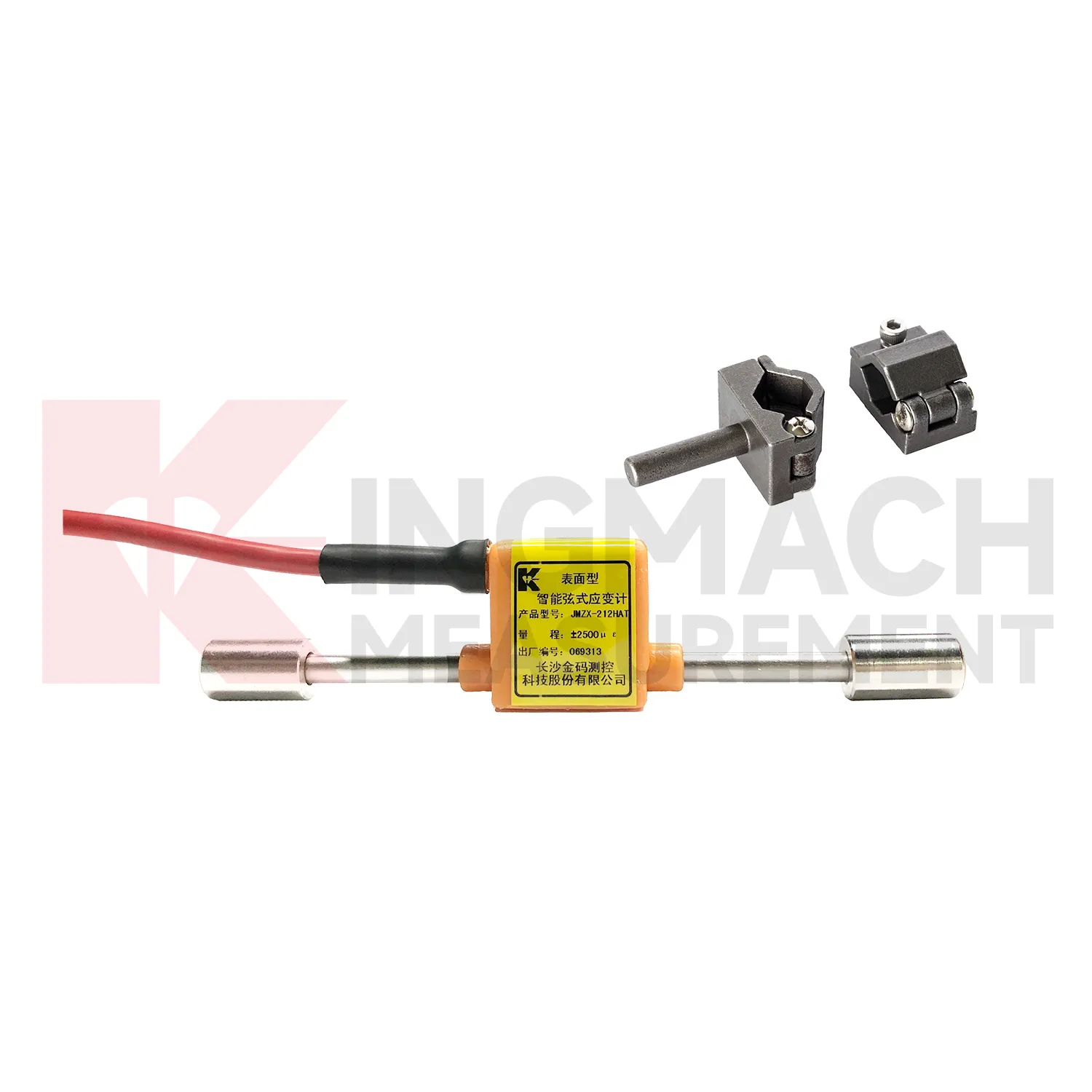
Kingmach {keyword} is not a single stand alone item; it is part of a measurement chain. Surface gauges, embedded gauges, welded gauges, and rebar strainmeters can be paired with comprehensive readout units, automated acquisition modules, wireless loggers, instrumentation cables, and cloud monitoring platforms. That matters on infrastructure projects where one weak link can distort the whole strain record. The surface model offers ±2500 microstrain range and 0.1 microstrain resolution, while the embedded model offers ±1500 microstrain range for internal concrete measurement. The welded model stores up to 800 records and supports digital transmission. These features help engineers choose a model based on structure type, installation access, exposure condition, and required data path. Kingmach's role as a structural health monitoring manufacturer gives buyers one source for sensors, acquisition, and long term field support. The product family also supports different buyer intents. Some searches focus on a strain gauge sensor, others on a force related strain gauge load cell, a data logger, or a manufacturer. The same Kingmach range connects those needs through measured strain data. A clear specification record reduces confusion when the same project uses surface, embedded, welded, and rebar based instruments together. That is why model data, calibration values, and channel labels should travel with the product from procurement to commissioning.
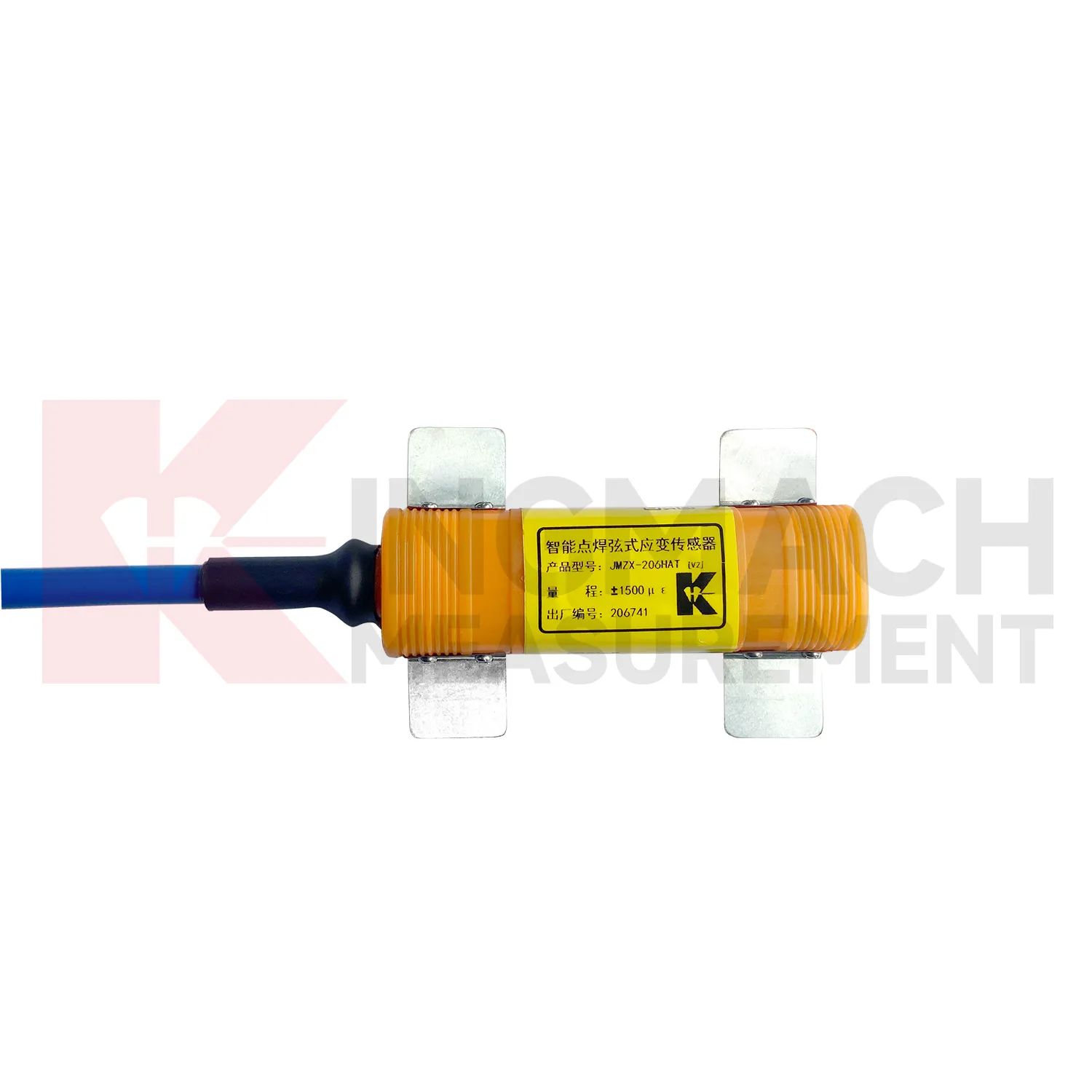
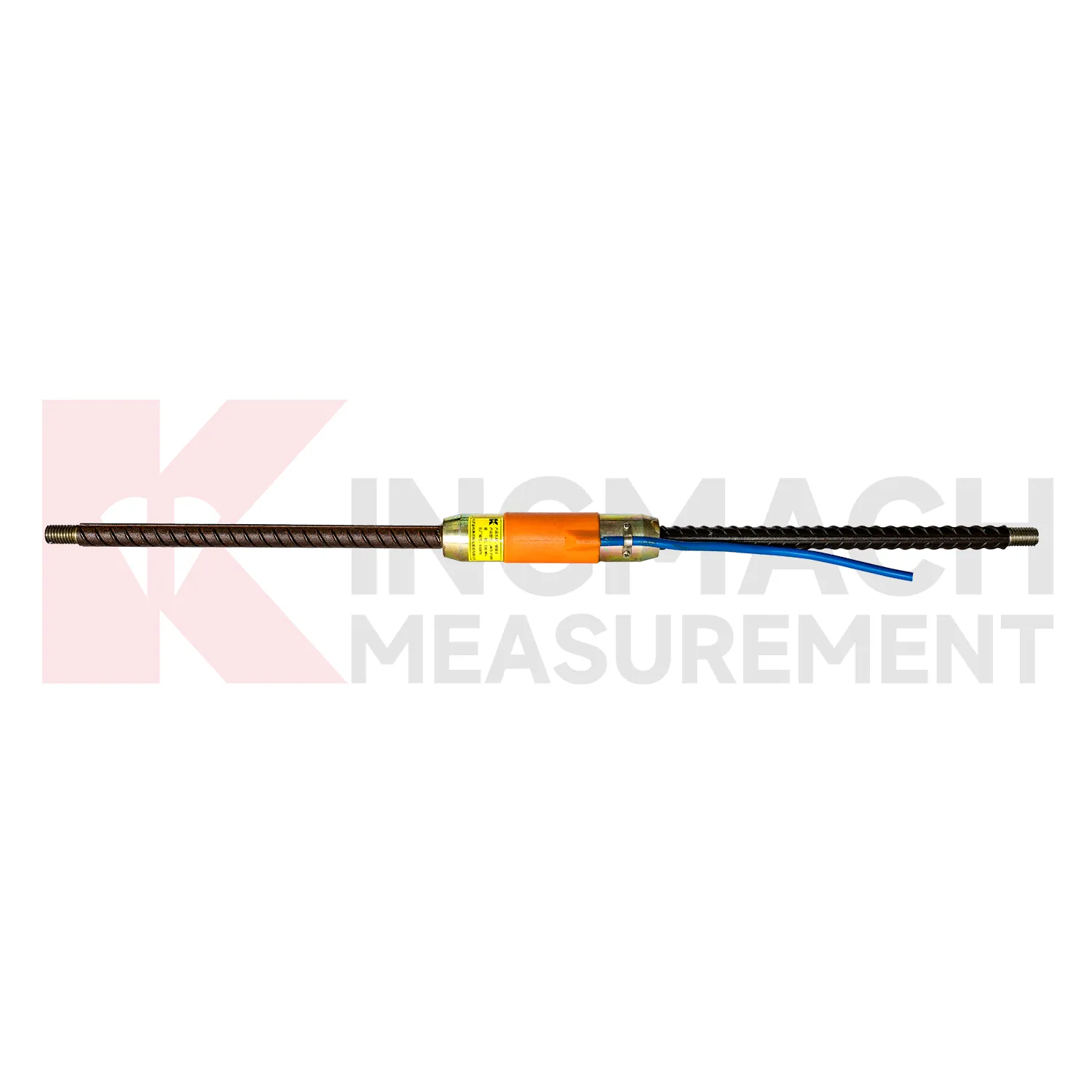
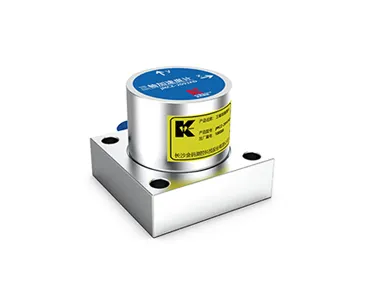
Application of strain sensors manufacturers
For pile foundations and cast in place concrete work, {keyword} helps engineers observe internal strain, reinforcement stress, concrete shrinkage, and load transfer after the member is no longer visible. Kingmach JMZX-215HA/215HAT/HB embedded gauges are tied to rebar or special supports before pouring, then used after the concrete reaches strength. They provide a ±1500 microstrain range, 0.1 microstrain resolution, 146 mm gauge length, and temperature measurement accuracy of ±0.5℃ when equipped with the temperature version. For rebar stress, the JMZX-4XXHAT/HB model covers -200 MPa to 350 MPa. These parameters support pile load tests, foundation performance monitoring, and long term settlement related stress review. The readings help separate normal concrete curing behavior from structural stress changes caused by loading or ground movement. Parameters such as 0.5%F.S. accuracy, 0.1 microstrain resolution, temperature correction, and waterproof protection give engineers a reason to trust the readings when the monitored point is exposed to field conditions. When data is collected automatically, engineers can compare daily movement instead of relying on occasional manual readings. This gives the project team a better way to separate normal behavior from a change that needs inspection. For field use, the strain point should be named, mapped, protected, and reviewed with nearby sensors before any alarm is judged.
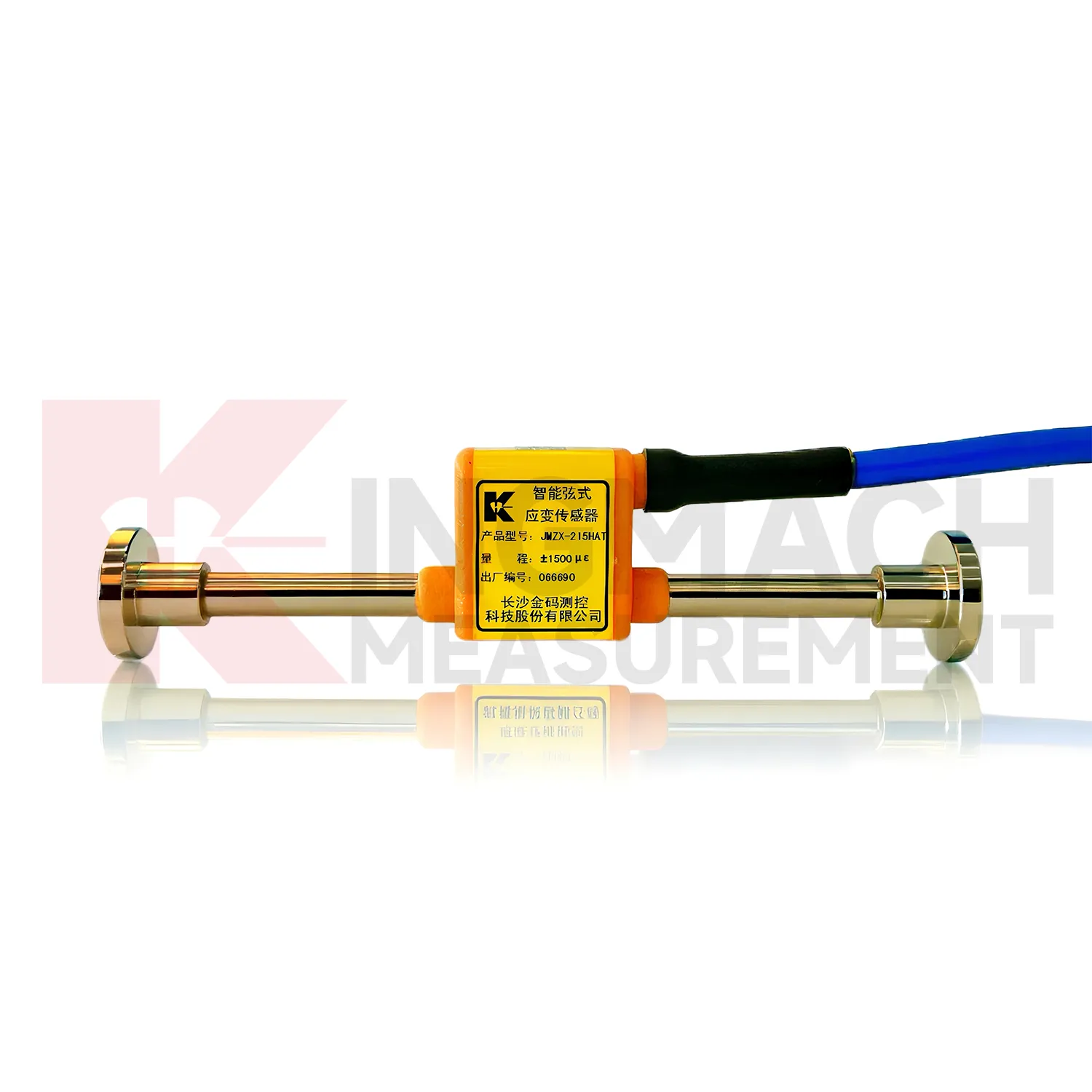
The future of strain sensors manufacturers
The future of {keyword} will still depend on practical engineering judgment. IoT, wireless transmission, digital twins, and AI analysis can make data easier to collect, but they do not change the need for correct model selection. A surface gauge, embedded gauge, welded gauge, or rebar strainmeter must match the material, expected strain range, installation access, temperature condition, and service period. Kingmach's range gives engineers several paths: ±2500 microstrain surface monitoring, ±1500 microstrain embedded concrete monitoring, -1500 to +2500 microstrain welded steel monitoring, and -200 MPa to 350 MPa rebar stress monitoring. Future systems will work best when those choices are made before software enters the picture. In that setting, the sensor becomes a long term data source for the asset, while acquisition and analytics tools help engineers read the trend faster. Those improvements fit long term infrastructure monitoring better than one time testing. That path keeps the technology tied to field decisions, not abstract promises.
Care & Maintenance of strain sensors manufacturers
For welded {keyword}, installation quality controls later maintenance effort. The JMZX-206HAT model uses spot welding on a polished 10 x 80 mm flat surface, and the low height design helps reduce strain errors caused by bending deformation. Before installation, remove rust, coating, oil, and uneven surface marks from the welding area. After welding, protect the sensor and cable from impact, grinding, repainting, and heat during nearby work. During operation, inspect the welded area for corrosion, loosened protection, cable strain, and damage after repair activities. The model's -1500 to +2500 microstrain range and 0.1 microstrain resolution can provide useful data only when the welded connection remains stable. For long term contracts, owners should define who reviews baseline drift, who approves recalibration, and who records construction events that may explain unusual strain movement. Replace damaged protection before water reaches the connection. Compare suspicious readings with nearby channels before repair decisions. Keep these checks in the project log.
Kingmach strain sensors manufacturers
On a real site, {keyword} is usually one part of a wider monitoring network. The sensor reads strain at a selected point, while readouts, data loggers, acquisition modules, cables, and software carry the data into a review process. Kingmach's catalog follows that field logic by pairing strain gauges with comprehensive readouts, automated acquisition systems, instrumentation cables, and monitoring platforms. This matters because poor signal handling can waste a good sensor. A stable strain reading helps engineers judge whether steel beams, concrete members, support braces, piles, or anchors are working within expected limits. It also gives owners a record they can compare against temperature, displacement, settlement, vibration, and construction events. In a Kingmach project, the sensor reading is normally reviewed with site records, not treated as an isolated number, which keeps the data useful during construction and operation. It also gives engineers a cleaner baseline for later comparison. The same data can guide inspection notes and repair timing.
FAQ
Q: How do I select {keyword} for concrete structures?
A: Use embedded gauges for internal concrete strain, surface gauges for exposed concrete, and rebar strainmeters when reinforcement stress is the main concern.
Q: Which model fits steel structures?
A: JMZX-206HAT is designed for surface welded installation on steel members and covers -1500 to +2500 microstrain.
Q: Can it measure temperature too?
A: Temperature versions can measure the monitoring point temperature, with a thermometer range from -40℃ to +120℃ and ±0.5℃ accuracy on listed models.
Q: What should be checked before installation?
A: Confirm surface preparation, model type, cable route, channel name, acquisition setting, waterproof protection, and calibration data.
Q: Can it connect to automatic data collection?
A: Yes. Kingmach gauges can be paired with comprehensive readouts and automated acquisition systems for unattended measurement.
Reviews
David Wilson
We purchased displacement transducers and settlement sensors, and the quality exceeded our expectations. Easy installation and reliable performance.
Michael Anderson
The strain gauges and load cells are extremely accurate and stable. They performed very well in our bridge monitoring project. Highly recommended!
Latest Inquiries
To protect the privacy of our buyers, only public service email domains like Gmail, Yahoo, and MSN will be displayed. Additionally, only a limited portion of the inquiry content will be shown.
Mia***@gmail.comNetherlands
Dear team, we are interested in your readouts & data loggers compatible with multiple sensors. Do yo...
Harper***@gmail.comIndia
Dear Sir, we are planning to procure a complete monitoring system including strain gauges, tiltmeter...