
 EN
 ar
 bg
 hr
 cs
 da
 nl
 fi
 fr
 de
 el
 hi
 it
 ko
 no
 pl
 pt
 ro
 ru
 es
 sv
 tl
 iw
 id
 lv
 lt
 sr
 sk
 sl
 uk
 vi
 et
 hu
 th
 tr
 fa
 ms
 hy
 ka
 ur
 bn
 mn
 ta
 kk
 uz
 ku

weir flow meter Solution
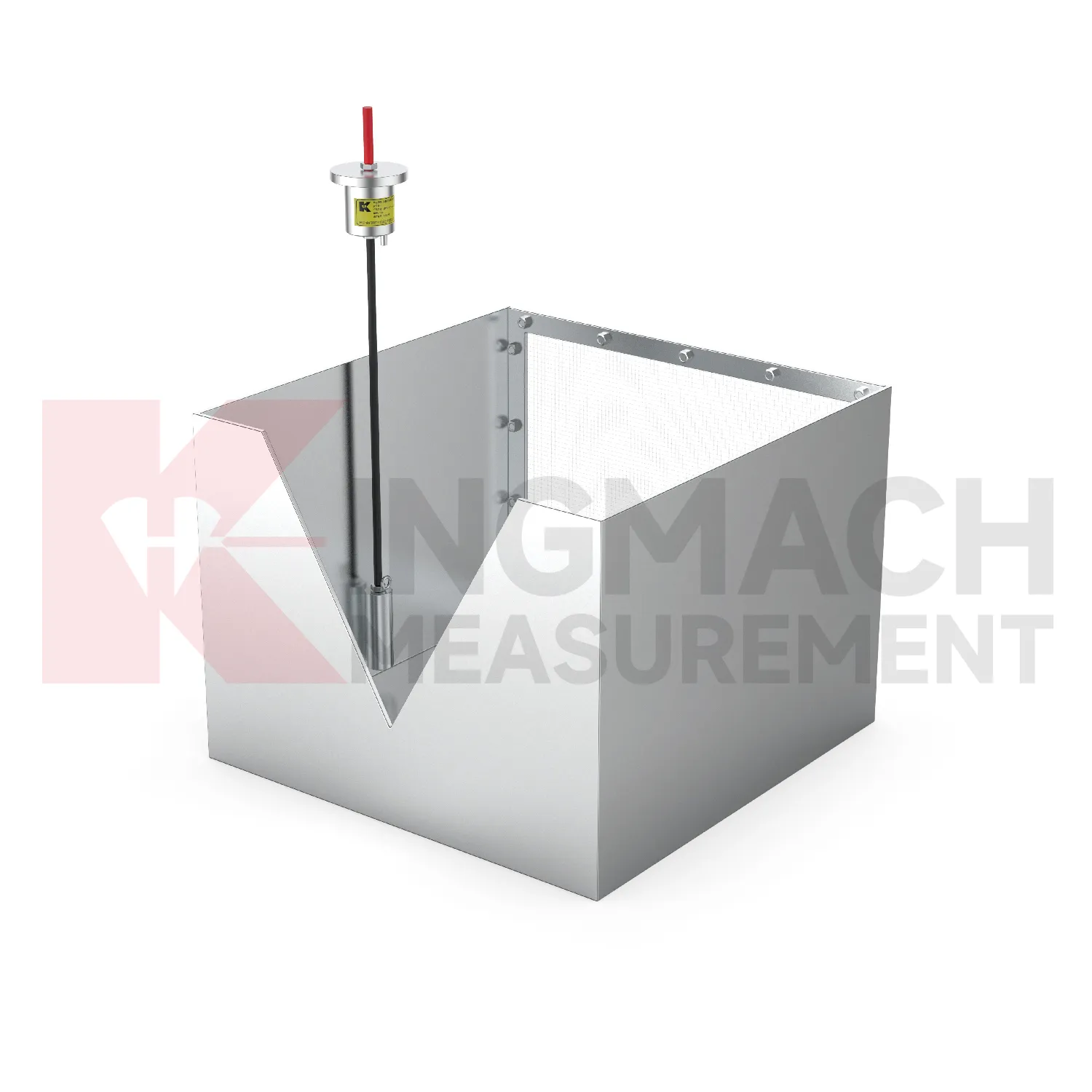
Kingmach weir flow meter Solution turns a small water level change into a usable flow trend. Many water projects do not need only a single discharge value; they need to know whether flow is rising, falling, delayed after rainfall, reduced after sediment build-up, or affected by upstream operation. The weir point gives a control section, while the water head record gives the time-based signal. Engineers can then compare flow with rainfall, gate operation, pump status, drainage reports, seepage observation, or field inspection. This makes the record useful for operation and diagnosis. A flow increase during rain may be expected, but a flow increase during dry conditions may need attention. A slow decline may point to blockage or changed channel conditions. The product information can make these review paths clear without presenting the meter as a standalone device. The field record should explain the water path, the condition before the reading changed, the inspection access, and whether nearby operations or weather events affected the channel. This keeps the flow curve connected to real site behavior rather than leaving it as an isolated number. A practical review also checks whether the measuring section remained clean and hydraulically stable. Sediment, debris, vegetation, downstream backwater, or a disturbed approach can change the meaning of the same water-head reading, so those conditions belong in the project notes.
Application of weir flow meter Solution
Water supply and treatment facilities can use Kingmach weir flow meter Solution to monitor flow through open channels, process by-pass points, or controlled discharge sections. The goal may be operating balance, inflow observation, outflow checking, or maintenance verification. The record becomes useful when it is tied to pump status, valve or gate operation, cleaning schedules, rainfall, and process events. A flow point should be placed where the water condition is stable enough to represent the channel. If foam, sediment, turbulence, or downstream water affects the control section, the data should be reviewed carefully. Good flow monitoring helps operators compare actual water movement with the expected operating state and quickly notice conditions that need field checking. In treatment work, timing matters because process changes, cleaning cycles, storm inflow, and maintenance by-pass events can all alter channel behavior. A dated record helps staff explain why flow changed and whether the change matched plant activity. It can also support handover between shifts, because the next operator sees not only the curve but the event that shaped it. That makes routine review more disciplined and less dependent on verbal memory. It also helps maintenance staff plan cleaning before reduced conveyance affects routine operation. across different work shifts.
The future of weir flow meter Solution
Future Kingmach weir flow meter Solution will support better water resource management by turning small-channel measurements into comparable long-term records. Owners can compare seasonal flow, storm response, maintenance effects, and dry-period behavior across multiple sites. That comparison is only useful if each point is installed and maintained consistently. Future reports should show not only the flow value but also the site condition that shaped it. A flow record from a clean channel should not be compared blindly with one affected by sediment or vegetation. Better context will make water allocation, drainage planning, and maintenance budgeting more defensible. Multi-site review will matter more as projects connect canals, drains, reservoirs, pumping stations, and industrial discharge points into one operating view. The strongest records will keep location history, cleaning events, rainfall context, and channel changes visible beside the trend. That context lets managers compare stations fairly instead of treating every difference as a measurement problem. Clearly.
Care & Maintenance of weir flow meter Solution
Care and maintenance of Kingmach weir flow meter Solution should begin with the weir section itself. The crest, approach channel, water head location, and downstream condition must remain consistent with the original measuring purpose. Debris, sediment, algae, vegetation, damaged edges, or changed channel shape can affect the record even when the electronics are healthy. Maintenance staff should inspect the hydraulic control, not only the enclosure. Photographs after cleaning are useful because they show whether the measuring section remained clear. A flow curve is only as trustworthy as the channel condition behind it. A good routine separates hydraulic housekeeping from instrument checks. Crews can walk the channel after storms, remove trapped material before it hardens, confirm that the staff reference remains readable, and note whether nearby construction has changed the approach path. The written record should describe observed conditions in plain language, so a later reviewer can understand why a reading changed before adjusting any calculation or blaming the device.
Kingmach weir flow meter Solution
On site, Kingmach weir flow meter Solution needs careful hydraulic placement. The approach water should reach the weir smoothly, without unnecessary turbulence or local obstruction. The crest should remain clean and stable. The water head reading should represent the control section rather than a disturbed pocket of water. Cable routes, enclosures, and communication points should be protected from flooding and service work. These field details decide whether the record can be trusted after the first installation day. A good installation note should include channel condition, weir geometry, reference location, flow direction, cleaning access, and the first stable record. The point should also be easy for maintenance staff to recognize months later. Durable labels, simple access notes, and photographs from fixed viewpoints reduce confusion after handover. If the channel is later repaired, cleaned, or reshaped, the note should be updated so future reviewers know why the trend changed. That record protects long-term data quality.
FAQ
Q: What site conditions affect flow readings?
A: Sediment, debris, turbulence, backwater, algae, damaged crest edges, poor approach flow, and changed channel geometry can all affect the record.
Q: Why is cleaning important?
A: Cleaning keeps the control section clear so the water head record continues to represent the intended flow relationship.
Q: How should abnormal flow changes be reviewed?
A: Check rainfall, upstream operation, downstream condition, cleaning history, enclosure status, and field inspection notes before drawing conclusions.
Q: Can flow monitoring be remote?
A: Yes. Remote monitoring is useful when continuous records are needed or when the site is difficult to access during storms or operation.
Q: What should be recorded at installation?
A: Record channel location, flow direction, weir condition, water head reference, cable route, enclosure position, cleaning access, and first stable reading. The strongest flow reports are written around decisions. They show whether to keep observing, clean the channel, inspect upstream conditions, check downstream backwater, or compare the point with another water-level or rainfall record.
Reviews
Michael Anderson
The strain gauges and load cells are extremely accurate and stable. They performed very well in our bridge monitoring project. Highly recommended!
Ryan Lewis
Fast delivery and excellent product quality. The accelerometers and tiltmeters are highly reliable. Strongly recommend this company.
Latest Inquiries
To protect the privacy of our buyers, only public service email domains like Gmail, Yahoo, and MSN will be displayed. Additionally, only a limited portion of the inquiry content will be shown.
Emma***@gmail.comCanada
Dear Sir/Madam, we are interested in displacement transducers and settlement sensors for a geotechni...
Sophia***@gmail.comUnited Kingdom
Good day, we need environmental monitoring sensors including temperature, humidity, and wind sensors...
Related product categories
- weir flow meter Supplier
- weir flow meter Solution
- weir flow meter System Integration
- weir flow meter Localization
- weir flow meter Domestic Manufacturing
- weir flow meter China
- weir flow meter Factory Price
- weir flow meter Cost effective
- weir flow meter Instant
- weir flow meter custom
- weir flow meter steep discount
- weir flow meter introductory