
 EN
EN
 ar
ar bg
bg hr
hr cs
cs da
da nl
nl fi
fi fr
fr de
de el
el hi
hi it
it ko
ko no
no pl
pl pt
pt ro
ro ru
ru es
es sv
sv tl
tl iw
iw id
id lv
lv lt
lt sr
sr sk
sk sl
sl uk
uk vi
vi et
et hu
hu th
th tr
tr fa
fa ms
ms hy
hy ka
ka ur
ur bn
bn mn
mn ta
ta kk
kk uz
uz ku
ku
weir flow meter steep discount
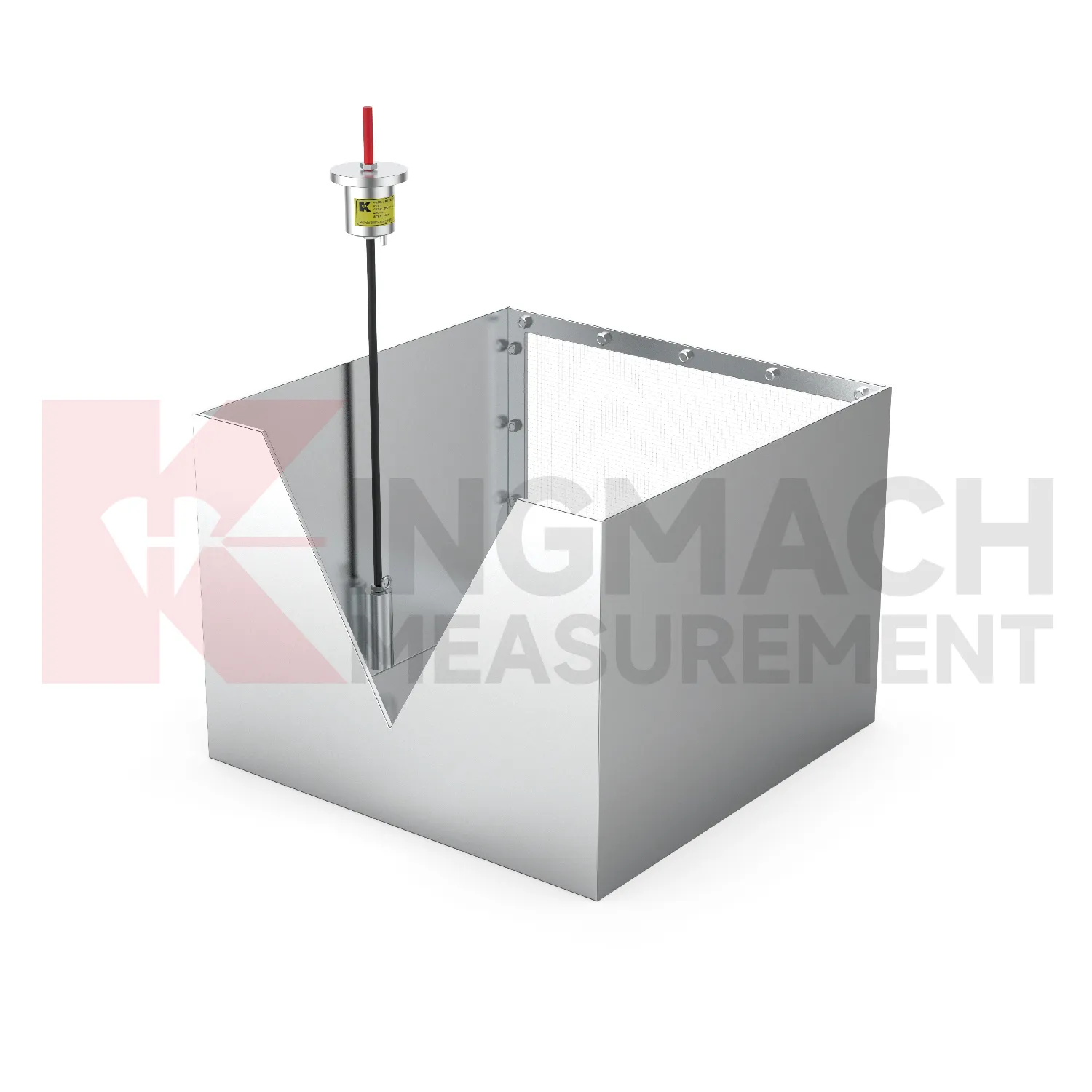
Kingmach weir flow meter steep discount is built around the practical task of measuring flow in a controlled open-channel section. The system concept combines a weir structure with precise water head observation, then converts that head change into a flow record that can be reviewed over time. This approach is useful in water conservancy, drainage, irrigation, tunnel discharge, small hydraulic structures, and water resource management because it gives teams a repeatable way to compare changing flow conditions. A useful product description can follow the field chain: water approaches the weir, the control section creates a stable relationship, the head is measured, the data is transmitted, and the record is reviewed with site notes. Accuracy depends not only on the instrument but also on the shape and condition of the channel. Sediment, debris, turbulence, backwater, poor leveling, or an unclear reference point can all make a clean sensor record less meaningful. For that reason, a complete project should define installation location, cleaning access, data review, and maintenance responsibility before the point is put into service. For water accounting or resource management, the same section, reference point, and maintenance discipline make seasonal and operational comparison reliable. If the channel is modified, the record should not hide the change. A repair, new crest, cleaned approach, moved enclosure, or changed data channel can affect comparability and should be visible beside the next flow trend.
Application of weir flow meter steep discount
Construction sites use Kingmach weir flow meter steep discount to document temporary drainage, dewatering discharge, runoff control, or water diversion during staged work. Temporary systems can change quickly as excavation, rainfall, pumping, and channel layout change. A weir point gives the project team a dated flow record that can be compared with weather, pumping logs, inspection notes, and site activities. The installation should be protected from equipment traffic, sediment, concrete washout, and debris. Because temporary drainage often becomes a source of disagreement, a consistent flow record helps contractors, owners, and supervisors discuss the same facts. The record should show not only the flow trend, but also when channels were cleaned, pumps were adjusted, or site conditions changed. On active sites, the measuring location should be easy to identify and hard to disturb. Simple barriers, labels, access notes, and photo records can reduce confusion when crews rotate or work shifts change. The data is most useful when it is tied to daily events such as rain, excavation depth, pump relocation, discharge permit checks, and planned channel cleaning. That connection turns temporary drainage monitoring into a practical record for project control. It also gives managers a clearer basis for scheduling cleaning and documenting discharge changes during busy work periods.
The future of weir flow meter steep discount
Remote monitoring will become more important for Kingmach weir flow meter steep discount because many flow points are placed in channels, tunnels, drainage outlets, rural irrigation areas, or hydraulic structures that are not checked every day. A remote record can show night flow, storm peaks, delayed discharge, and gradual blockage patterns. Future systems should also show station health, last maintenance, data gaps, and whether the point needs field cleaning. This helps teams know when the record is trustworthy and when the site requires a visit. Remote flow monitoring works best when it reports both water behavior and the condition of the measuring point. Future platforms should make field visits more focused. Instead of sending staff only because a curve looks unusual, the system can show whether the change follows rain, a planned pump event, or a known cleaning activity. That context helps teams decide whether to inspect immediately, wait for confirmation, or review a nearby station first. Remote monitoring becomes more practical when it reduces uncertainty, not when it simply produces more alarms.
Care & Maintenance of weir flow meter steep discount
Water head measurement for Kingmach weir flow meter steep discount needs a stable reference. If the head location is disturbed by turbulence, air bubbles, sediment, trapped debris, or local backwater, the calculated flow behavior may no longer represent the channel. Inspect the sensing area and confirm that the water surface is calm enough for the intended measurement. The reference point should be documented in drawings and photographs. If maintenance changes the weir, channel wall, or sensing position, the record should say so. A stable reference protects long-term comparability, especially when operators compare present flow with past events. Maintenance staff should avoid moving brackets, tubes, labels, or reference marks without updating the file. Even a small field change can confuse later review if it is not recorded. After any adjustment, the first stable reading should be saved with a note about site condition, weather, and visible channel behavior. This keeps future flow interpretation tied to a known physical point.
Kingmach weir flow meter steep discount
Kingmach weir flow meter steep discount helps engineers understand open-channel flow as a site behavior, not as a number copied from a gauge. In drainage channels, water conservancy works, tunnel discharge points, irrigation structures, and water supply or drainage projects, flow changes can show whether inflow, outflow, leakage, runoff, or operating control has changed. A weir-based measurement point turns water head into a repeatable flow record when the crest, approach channel, water level reference, and data path are handled carefully. The strongest value is traceability: teams can compare flow before a storm, during a control action, and after the site returns to normal. That record helps with water resource management, operational review, and maintenance planning. The field record should explain the water path, the condition before the reading changed, the inspection access, and whether nearby operations or weather events affected the channel. This keeps the flow curve connected to real site behavior rather than leaving it as an isolated number.
FAQ
Q: What is Kingmach weir flow meter steep discount used for?
A: It is used to measure open-channel flow by reading water head at a controlled weir section and turning that change into a repeatable flow record.
Q: Where can it be applied?
A: It can support water conservancy, drainage, irrigation, tunnel discharge, dam drainage, construction runoff, industrial water channels, and water resource management.
Q: Why use a weir for flow monitoring?
A: A weir creates a stable hydraulic control section, making it easier to compare flow behavior over time when the channel is maintained properly.
Q: What makes the record useful?
A: A useful record links flow with site events such as rainfall, gate operation, cleaning, seepage, pump activity, or inspection findings.
Q: Should the meter be treated as a standalone device?
A: No. It should be treated as a measuring point that includes the channel, weir crest, water head reference, data path, and maintenance access. Maintenance teams need a record that tells them where to look. If a curve drops slowly, cleaning and sediment checks may come first. If it rises suddenly during dry conditions, upstream operation or a changed drainage path may deserve attention.
Reviews
Christopher Martinez
Very satisfied with the readouts & data loggers. User-friendly interface and supports multiple sensor inputs.
Matthew Garcia
Instrumentation cables are durable and perform well even in harsh environments. Will definitely order again.
Latest Inquiries
To protect the privacy of our buyers, only public service email domains like Gmail, Yahoo, and MSN will be displayed. Additionally, only a limited portion of the inquiry content will be shown.
Harper***@gmail.comIndia
Dear Sir, we are planning to procure a complete monitoring system including strain gauges, tiltmeter...
Mia***@gmail.comNetherlands
Dear team, we are interested in your readouts & data loggers compatible with multiple sensors. Do yo...