
 EN
EN
 ar
ar bg
bg hr
hr cs
cs da
da nl
nl fi
fi fr
fr de
de el
el hi
hi it
it ko
ko no
no pl
pl pt
pt ro
ro ru
ru es
es sv
sv tl
tl iw
iw id
id lv
lv lt
lt sr
sr sk
sk sl
sl uk
uk vi
vi et
et hu
hu th
th tr
tr fa
fa ms
ms hy
hy ka
ka ur
ur bn
bn mn
mn ta
ta kk
kk uz
uz ku
ku
displacement sensor
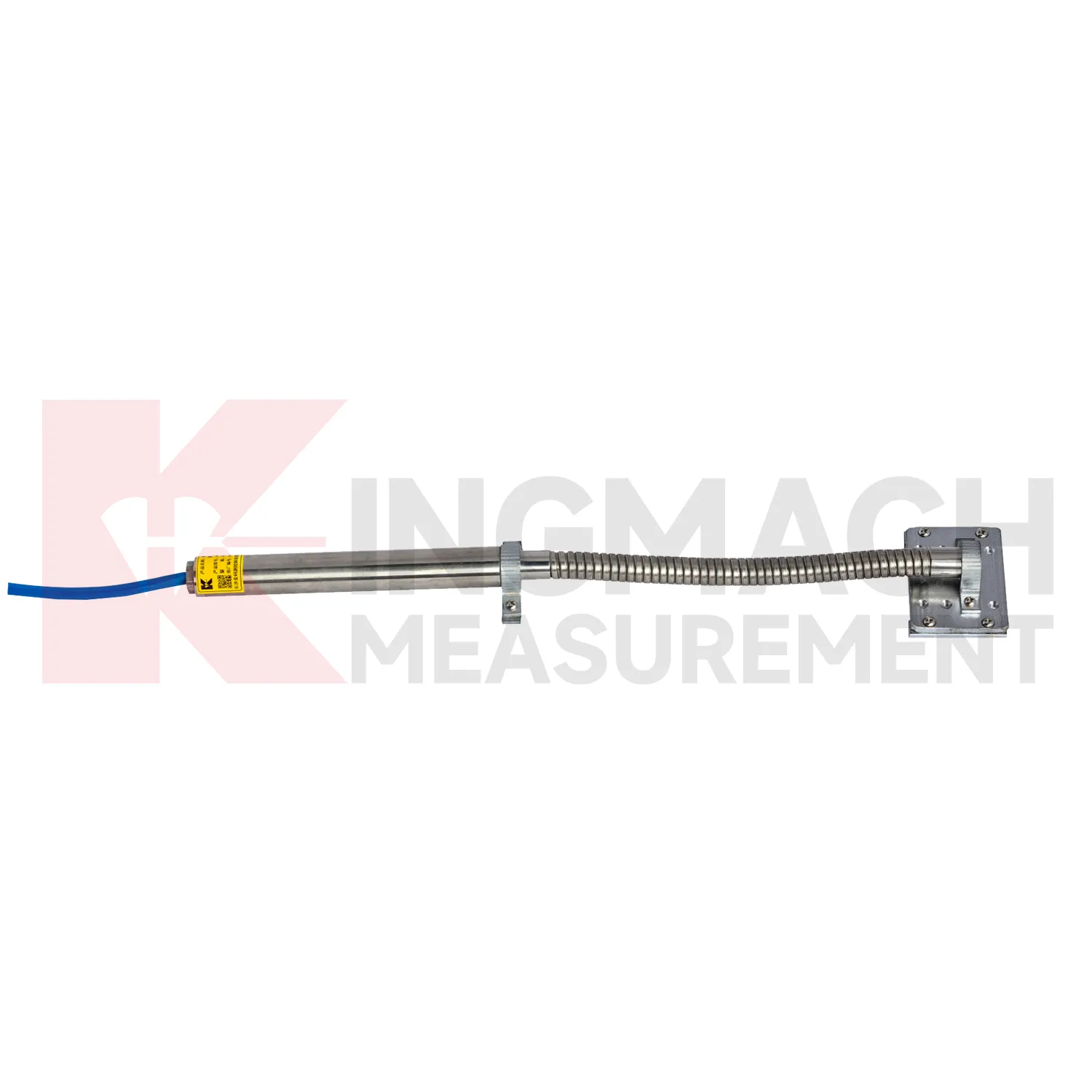
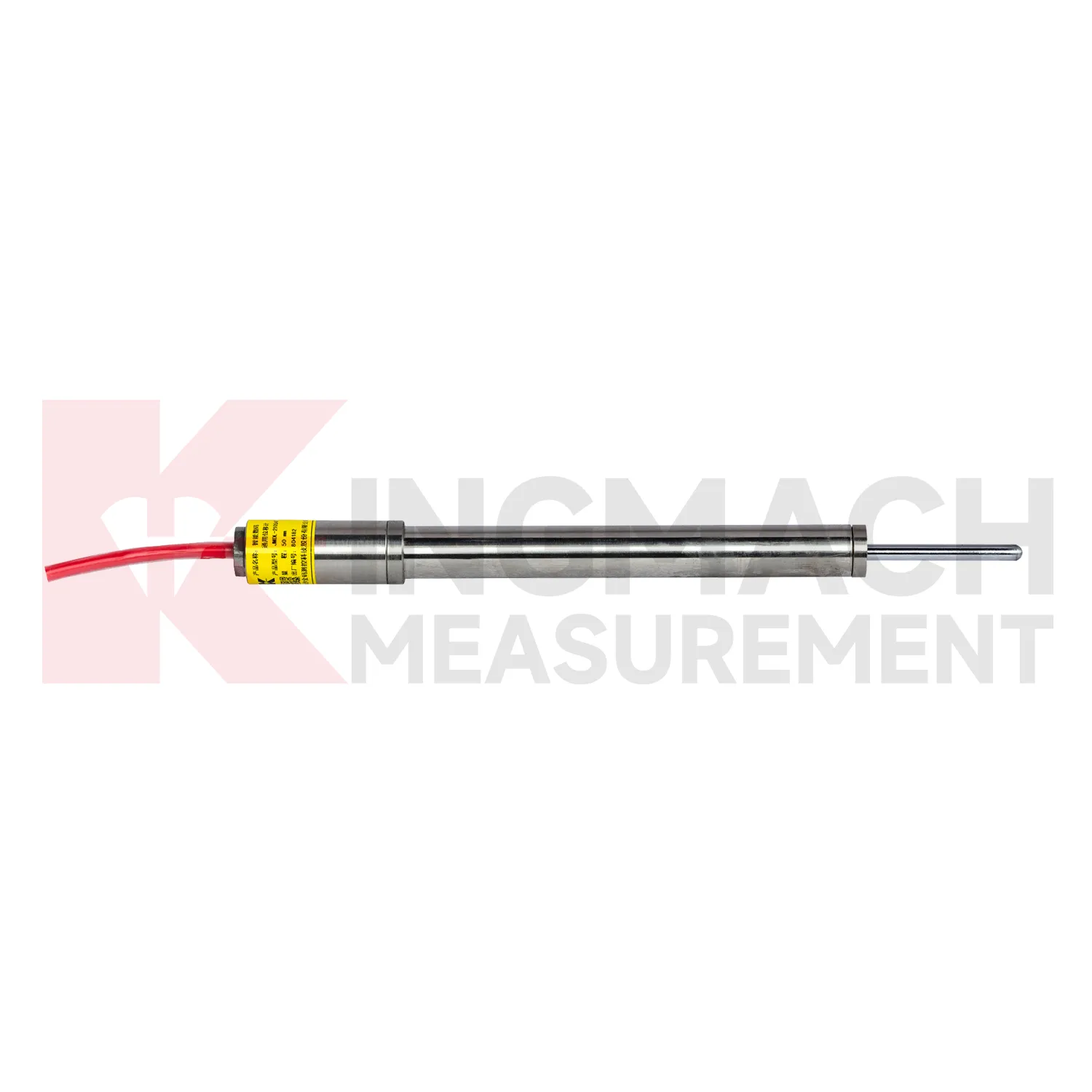
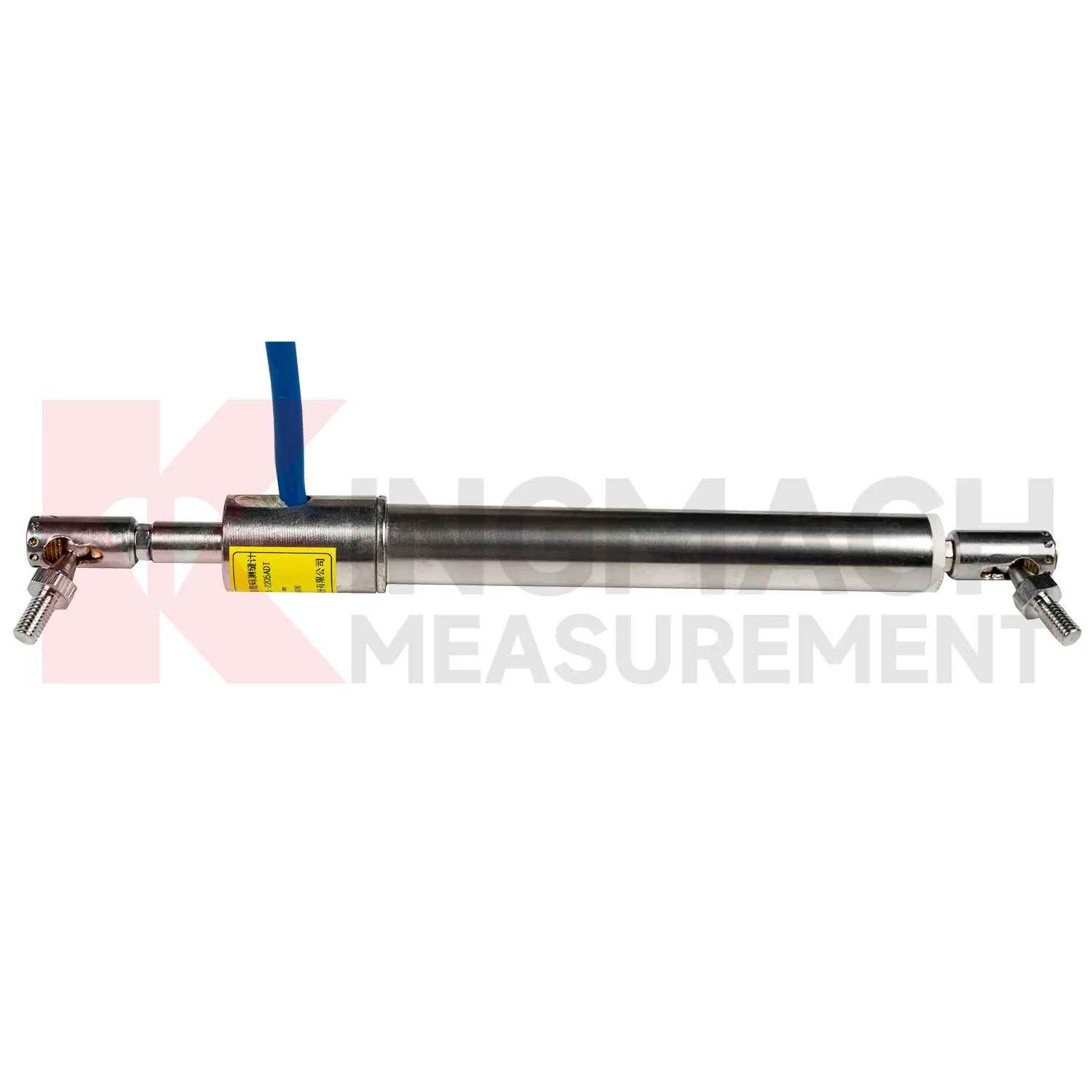
Kingmach displacement sensor include the JMCW-21XXADT Magnetostrictive Displacement Meter for absolute linear position measurement. This sensor uses magnetostrictive effect and internal non-contact sensing, which avoids mechanical wear and supports continuous operation in harsh environments. Product information lists 0 to 1000 mm measuring range, 0.01 mm resolution, plus or minus 0.05%FS accuracy, repeatability within 0.1 mm, DC24V plus or minus 10% input, RS485 communication, average operating current below 60 mA, and an operating temperature range from -30 degrees Celsius to +80 degrees Celsius. It also lists IP67 protection and reverse polarity protection up to -36V. Wiring details include red for DC24V, yellow for power ground, blue for RS485A, and green for RS485B. These features make the product suitable for hydraulic cylinders, gate position, machine stroke, structural deformation, railway and highway movement, retaining walls, and industrial automation equipment that requires stable absolute position data. During project setup, the measuring point should be matched with the expected travel direction, available mounting space, cable route, and required acquisition interval. This prevents a short-range joint instrument from being used on a long-travel point, or an exposed sensor from being placed where an embedded anchor is needed. It also helps the monitoring team set a baseline that can be defended during acceptance and later maintenance review.
Application of displacement sensor
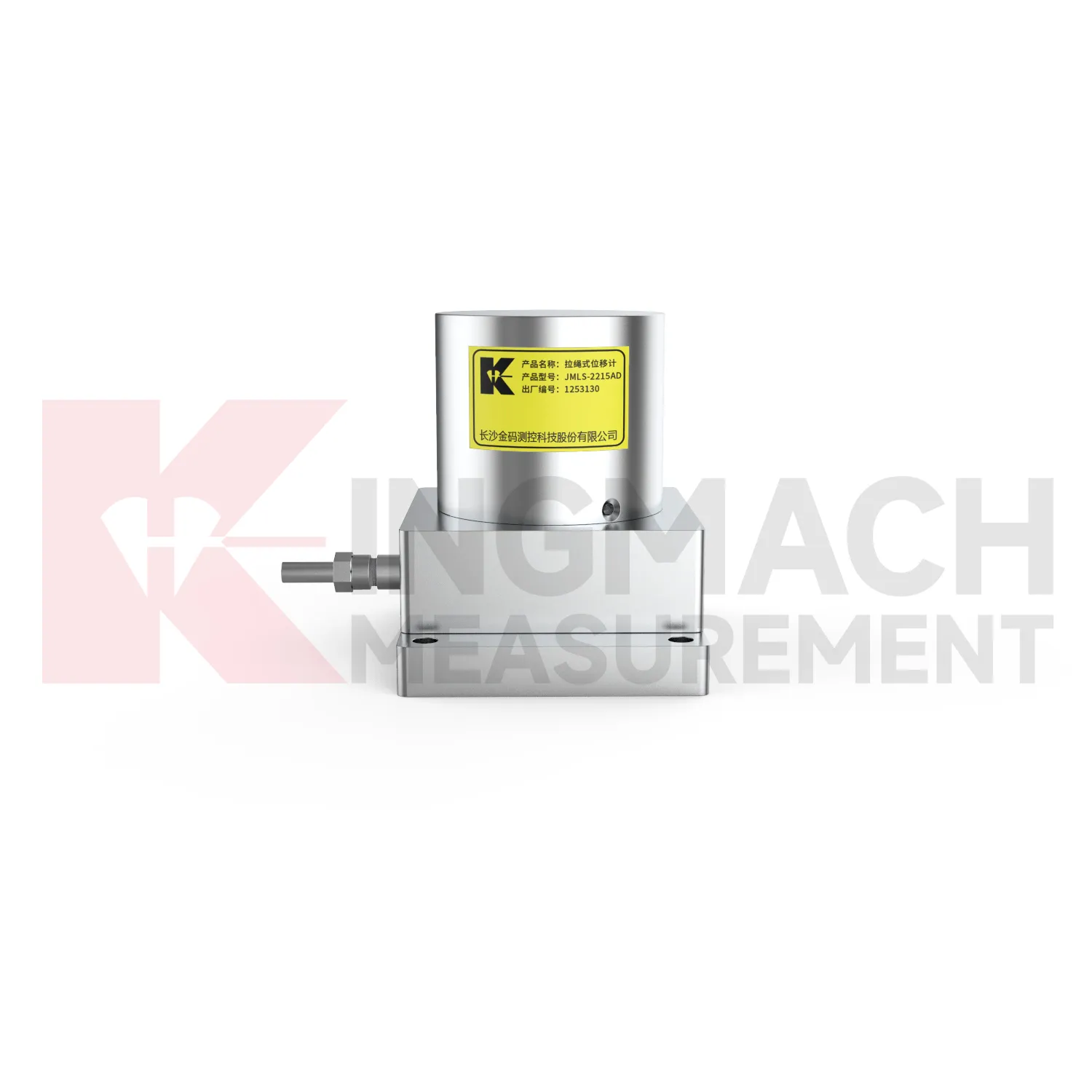
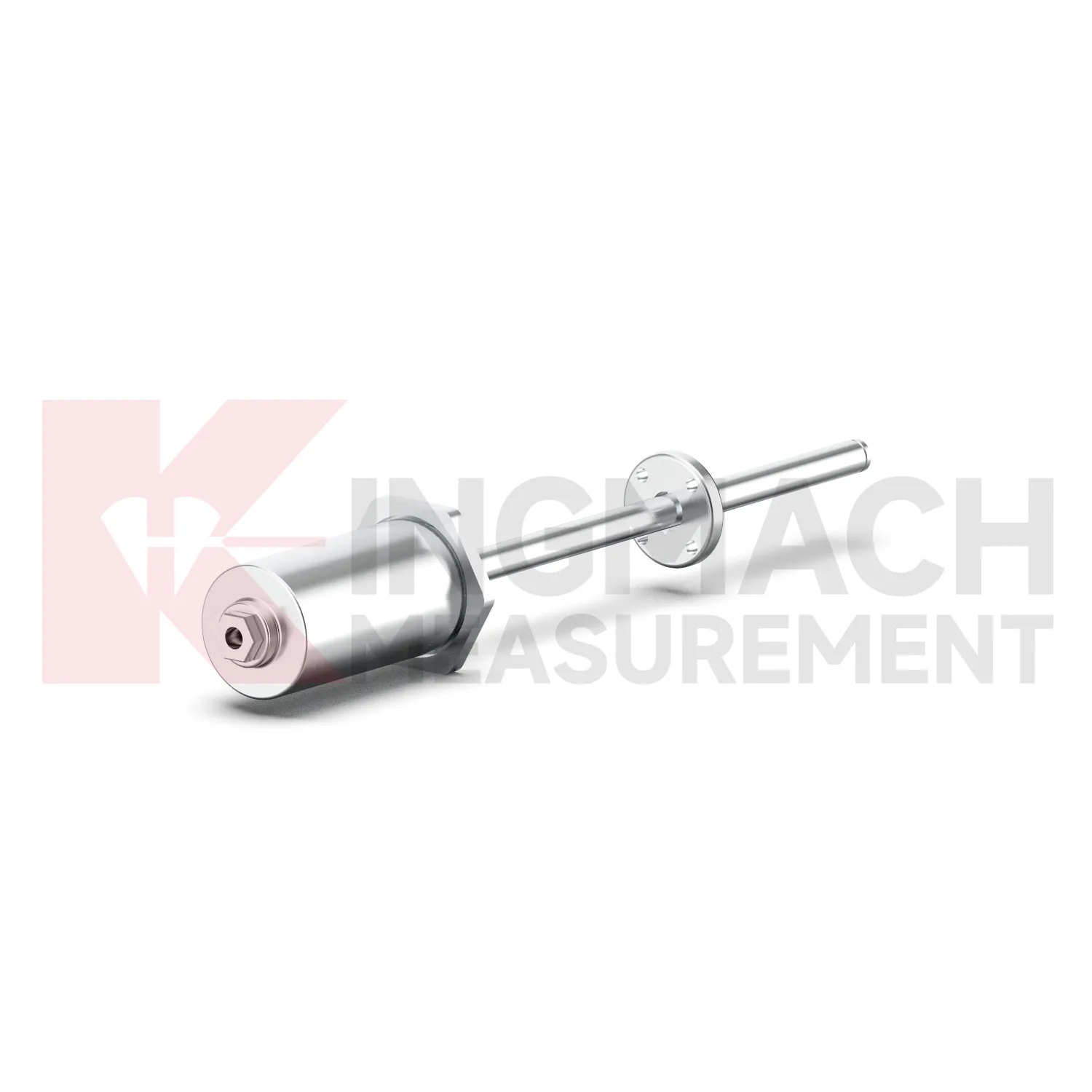
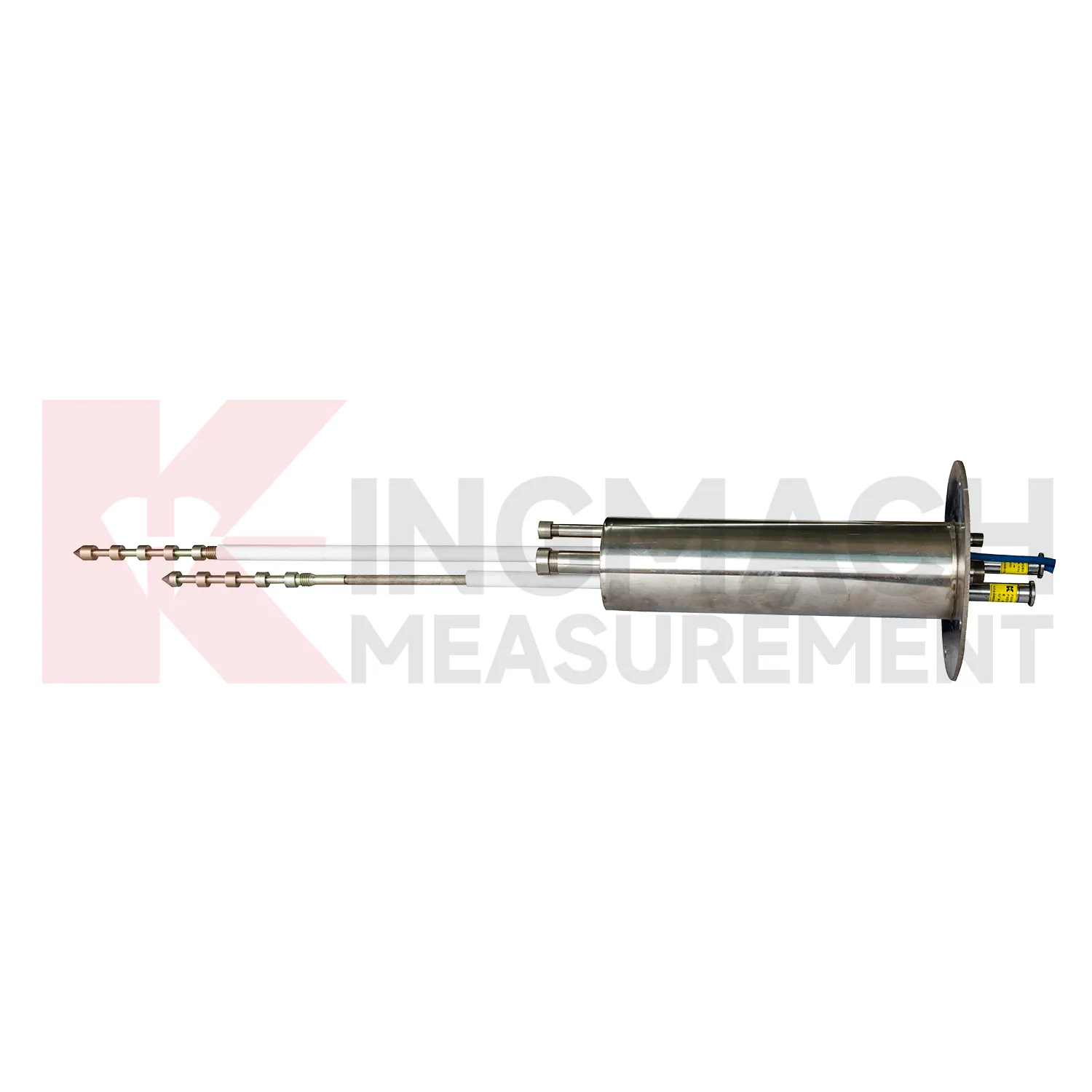
In tunnel engineering, displacement sensor help monitor surrounding rock deformation, lining movement, tunnel portal displacement, clearance change, and crack opening after excavation. Tunnel sites often have wet air, dust, restricted access, and changing support stages, so the instrument must hold a stable baseline through construction disturbance. Kingmach JMDL-31XXAT multipoint displacement meters use drilling and grouting with anchor heads at different depths, allowing engineers to compare the movement of separate rock layers. The series lists 50 mm, 100 mm, and 200 mm ranges with 0.01 mm resolution. JMDL-32XXAT single-point bedrock meters can be embedded with a flange, tie rod, anchor head, and PVC pipe assembly. JMLS-22XXADT wire rope sensors can watch longer displacement paths or tunnel wall clearances. These readings help site teams decide whether deformation is responding to excavation sequence, groundwater, lining timing, nearby blasting, or long-term ground pressure. During operation, the monitoring team should keep the baseline, temperature, inspection notes, and nearby sensor behavior in the same review file. This makes it easier to tell whether a movement trend comes from normal service, a repair event, changing load, water influence, or developing structural risk. Clear records also help owners decide when a field inspection is needed instead of waiting for visible damage.
The future of displacement sensor
Longer service life will be a major future requirement for displacement sensor. Infrastructure owners want monitoring systems that remain useful beyond the construction phase and into operation, inspection, repair, and renewal. Kingmach lists 30-year designed service life on selected products such as the JMDL-24XXAT flexible displacement meter and JMDL-49XXAT formwork displacement meter, while models such as JMCW-21XXADT use non-contact sensing to avoid mechanical wear. Future specifications will likely ask more directly about waterproof rating, connector durability, cable route protection, sensor replacement access, and data continuity after maintenance. For dams, bridges, railways, slopes, and tunnels, a displacement record over several years is often more useful than a short burst of high-frequency data. This long view supports asset management and helps distinguish slow structural change from normal seasonal movement. The next improvement will be planned service records: expected inspection intervals, spare part notes, replacement dates, and clear links between old and new baselines after a sensor is changed.
Care & Maintenance of displacement sensor
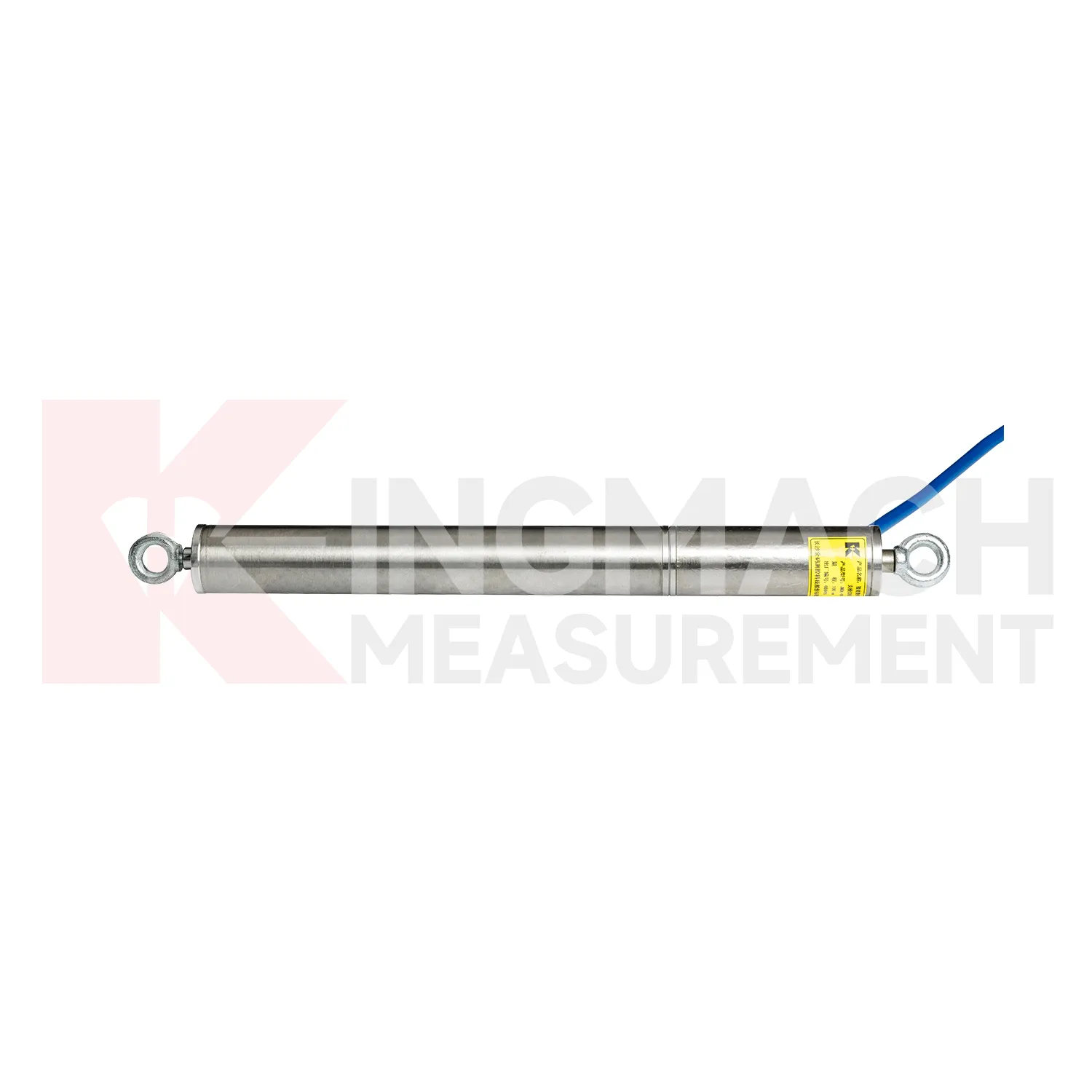
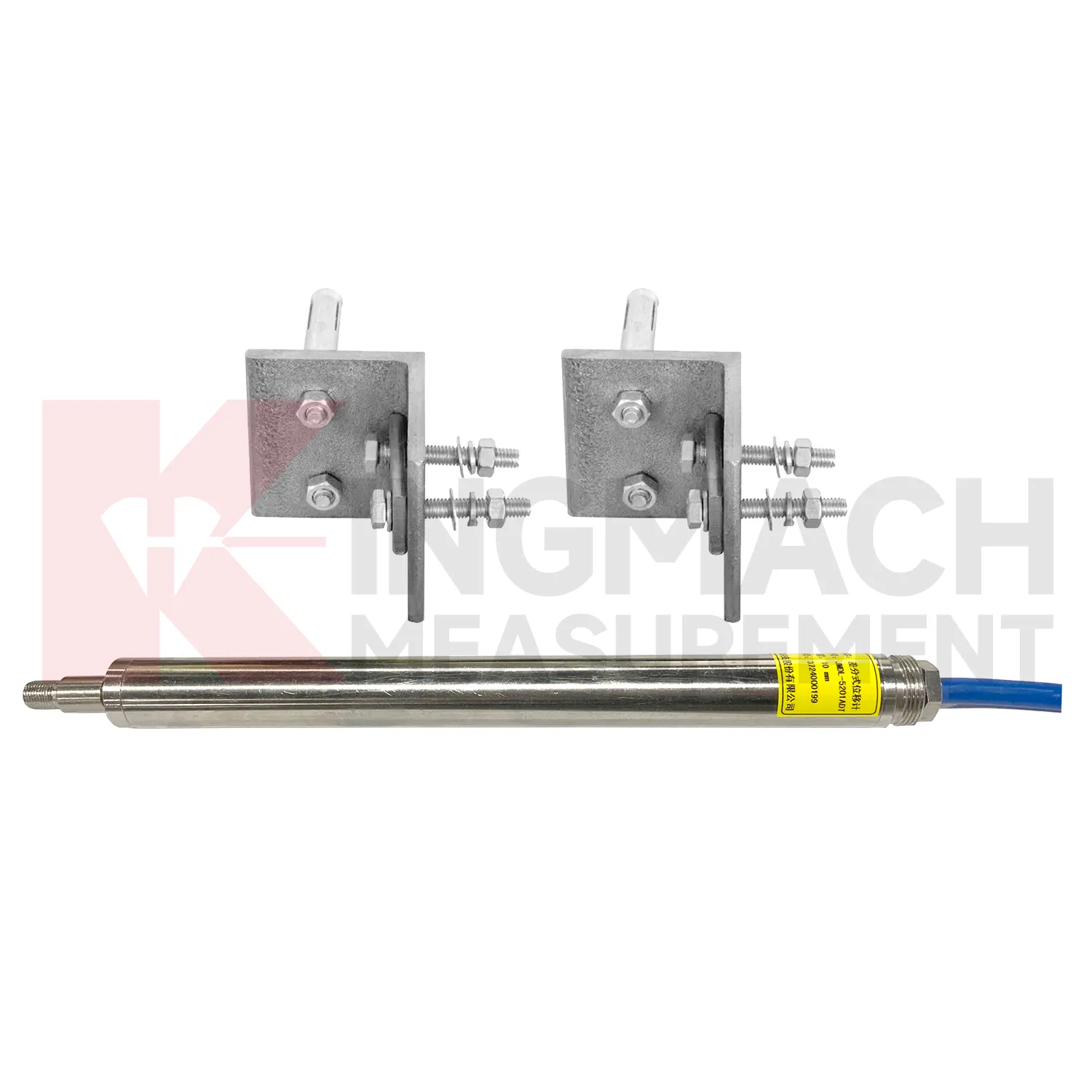
For displacement sensor installed at cracks, joints, and expansion joints, maintenance should focus on bracket stability, rod alignment, cable protection, and baseline traceability. Kingmach JMDL-22XXAT crack gauges may use different measuring rods and universal bases, so the mounting points must remain firm while the structure moves naturally. Avoid placing rods where they can be hit by workers, tools, vehicles, concrete debris, or repair materials. During inspections, check whether the crack edge has spalled, whether the base has loosened, whether water has entered the connector, and whether the displayed movement agrees with nearby observations. Because the product can store up to 600 measurement results, compare field readings with stored records before resetting values. If temperature versions are used, keep temperature data with displacement data so seasonal opening and structural movement are not confused. Keep the installation photo, point number, zero value, and expected movement direction with the commissioning record for later review. If a reading changes after maintenance work, inspect the base, anchor, cable, and cabinet before assuming the structure itself has moved.
Kingmach displacement sensor
In structural monitoring, displacement sensor should not be treated as single-purpose accessories. Kingmach displacement products can work with comprehensive testers, automatic acquisition systems, bus modules, RS485 output, and monitoring software, which allows movement data to sit beside strain, load, settlement, tilt, vibration, temperature, and water level. That combined view is important because displacement often has several causes. A tunnel crown reading may respond to excavation sequence, groundwater, lining age, or nearby traffic. A bridge joint may move with both temperature and bearing behavior. A slope reading may change after rainfall, blasting, or retaining wall loading. By using smart products with stored parameters and digital transmission, project teams reduce channel mix-ups and make later data review cleaner. The result is a monitoring chain where field installation, sensor identity, baseline readings, and platform curves can be checked against one another. The point should be named on the drawing, linked with its cable route, and checked against the expected movement direction before the first automatic reading is accepted. For daily review, the reading should be compared with nearby points, recent weather, site operations, and any loading event that could explain the movement.
FAQ
Q: Which displacement sensor fit crack monitoring?
A: The JMDL-22XXAT Smart Crack Gauge is designed for cracks, joints, and expansion joints in bridges, buildings, roads, railways, dams, tunnels, and slopes.
Q: What ranges does the crack gauge list?
A: Listed models include 20 mm, 50 mm, 100 mm, and 200 mm ranges, with 0.01 mm resolution on the 20 mm to 100 mm versions and 0.05 mm on the 200 mm version.
Q: How many records can the crack gauge store?
A: Product information states that it can save up to 600 measurement results, including time, temperature for temperature versions, displacement values, and zero-point value.
Q: What installation details matter most?
A: Base stability, rod alignment, connector sealing, cable protection, and a clear zero reading matter more than a polished-looking installation.
Q: Can it be used for long-term observation?
A: Yes. The product is described for long-term monitoring, especially where crack width changes need stable and repeatable measurement.
Reviews
Andrew Lee
The visualization software is intuitive and powerful. It helps us analyze monitoring data efficiently.
Christopher Martinez
Very satisfied with the readouts & data loggers. User-friendly interface and supports multiple sensor inputs.
Latest Inquiries
To protect the privacy of our buyers, only public service email domains like Gmail, Yahoo, and MSN will be displayed. Additionally, only a limited portion of the inquiry content will be shown.
Isabella***@gmail.comGermany
Hello, we are evaluating weir flow meters for a water management project. Please share accuracy deta...
Amelia***@gmail.comSingapore
Hello, I am looking for visualization software for monitoring system data analysis. Please let me kn...
Related product categories
- crack monitoring gauges
- displacement crack gauge
- displacement sensor
- laser displacement sensor
- displacement sensors
- linear displacement sensor
- optical displacement sensor
- wireless displacement sensor
- laser displacement sensors
- non contact displacement sensor
- cable displacement sensor
- draw wire displacement sensor