
 EN
EN
 ar
ar bg
bg hr
hr cs
cs da
da nl
nl fi
fi fr
fr de
de el
el hi
hi it
it ko
ko no
no pl
pl pt
pt ro
ro ru
ru es
es sv
sv tl
tl iw
iw id
id lv
lv lt
lt sr
sr sk
sk sl
sl uk
uk vi
vi et
et hu
hu th
th tr
tr fa
fa ms
ms hy
hy ka
ka ur
ur bn
bn mn
mn ta
ta kk
kk uz
uz ku
ku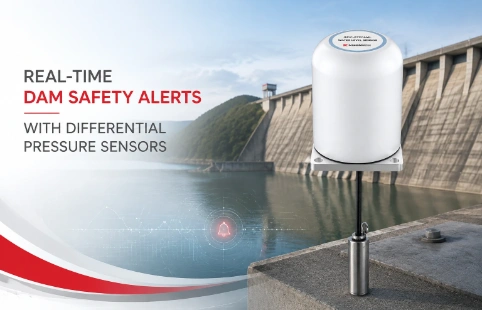
Real-Time Dam Safety Alerts with Differential Pressure Water Level Sensors
Key Takeaways An alert chain needs more than a sensor: define field in...

Anchor Load Cell for Accurate Force Monitoring
Most anchor failures don’t happen overnight. A retaining wall or dam can look stable for years, while inside the stressed tendon, force is slowly drifting beyond design limits. That’s where an anchor load cell becomes more than a sensor—it’s a long-term reference for safety. Kingmach has been supplying geotechnical instruments for projects where mid-budget reliability matters. These anchor load cells aren’t the cheapest on the market, but they’re built by engineers who understand field conditions. You can get standard models off the shelf, or work with us on custom ranges, cable lengths, or output signals to match your data logger. From slope stabilization to deep excavation monitoring, an anchor load cell gives you the real story of what’s happening inside the tendon. And when that data feeds into an automatic alarm system, it buys time before small changes turn into expensive problems.
Technical Detail
Kingmach anchor load cells are designed around a rugged, waterproof strain gauge sensor encapsulated in a high-strength steel housing. The sensing element is protected against moisture and mechanical shock, so it holds up through years of temperature swings and wetting–drying cycles common in dam galleries or exposed slopes. Standard capacities range from 200 kN to 5 000 kN, covering most ground anchors, rock bolts, and tieback applications. The central hole leaves clearance for the tendon to pass through, and the low-profile assembly doesn’t interfere with stressing jacks during installation. What makes these load cells practical for long-term monitoring is the signal stability. Each unit comes with temperature compensation built in, and you can order it with a thermistor if you need separate temperature readings. Output is typically mV/V, compatible with any standard readout unit or automatic data logger. We also offer optional 4–20 mA transmitters for direct connection to PLCs or wireless nodes. Kingmach keeps lead times reasonable because we keep critical components in stock. If your project requirements fall outside the standard specs—say a higher IP rating or an intrinsic safety certification—we can usually adapt an existing design rather than starting from scratch. This flexibility comes from years of serving monitoring contractors and consultants who often need a sensor that fits their existing system, not the other way around.
News
Key Takeaways An alert chain needs more than a sensor: define field in...
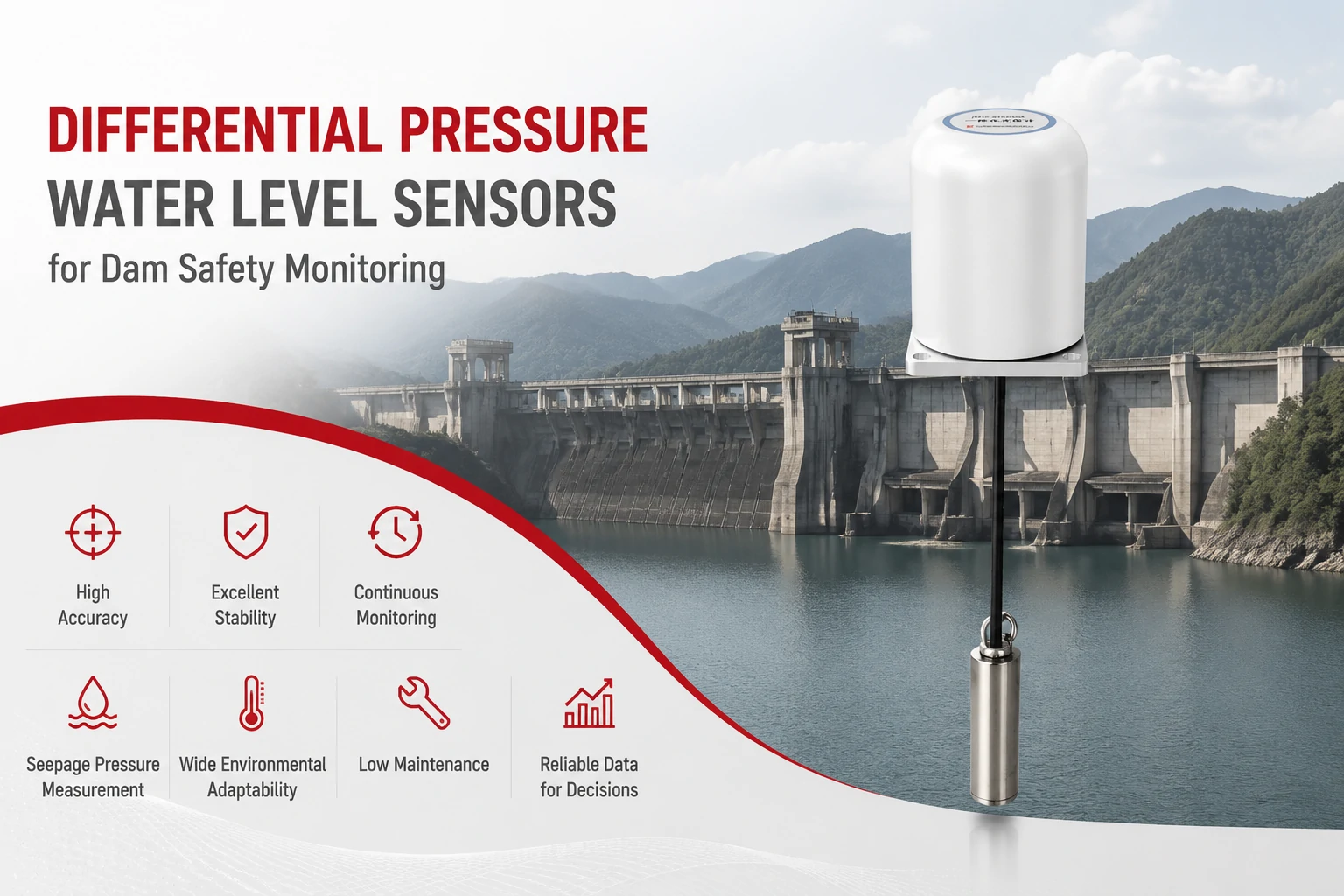
Key Takeaways The strongest fit is usually a confined, submerged, or s...
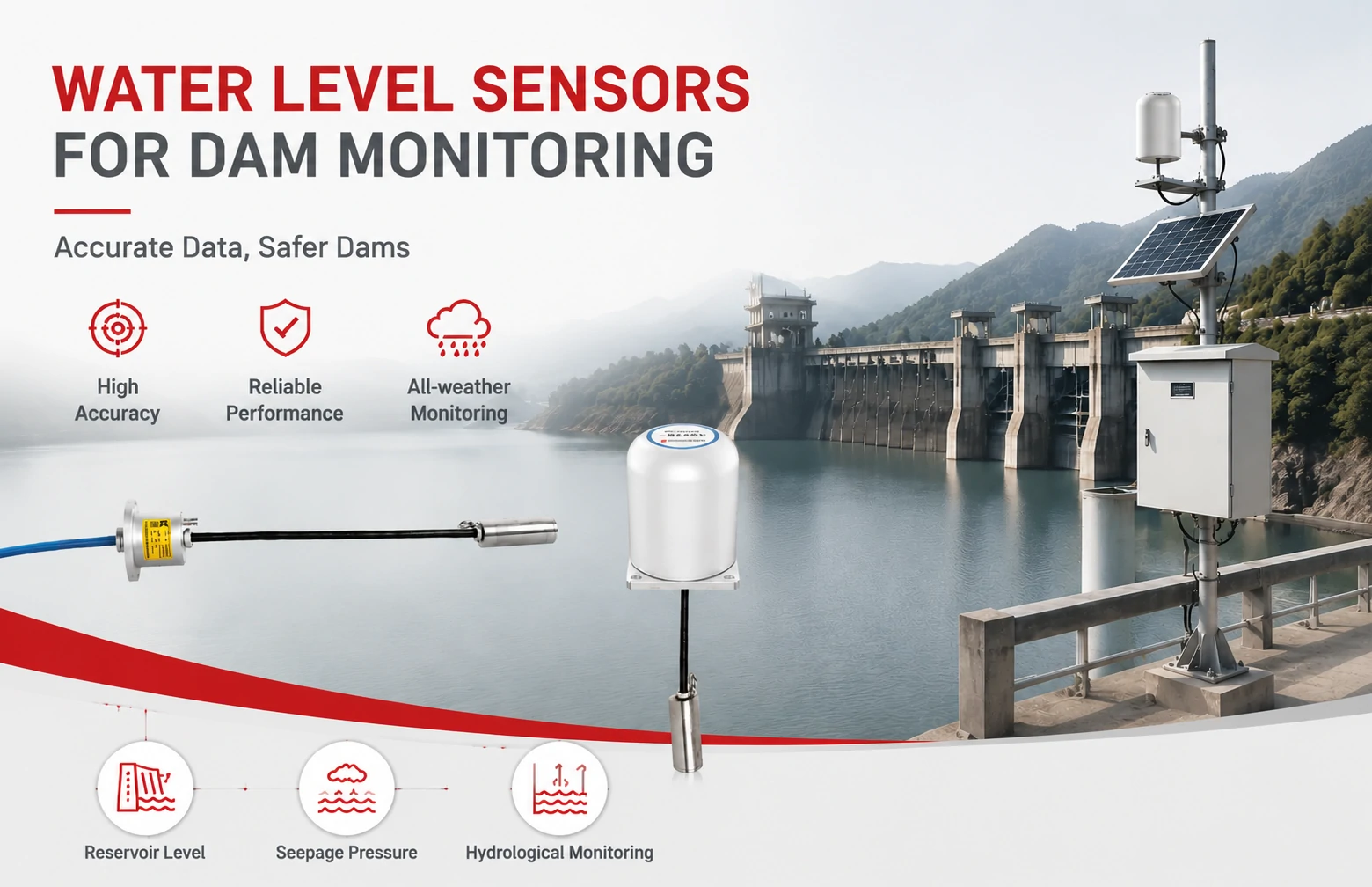
Kingmach Water Level Sensors for Dam Monitoring: A Buyer's Guide to Differential Pre...
Products
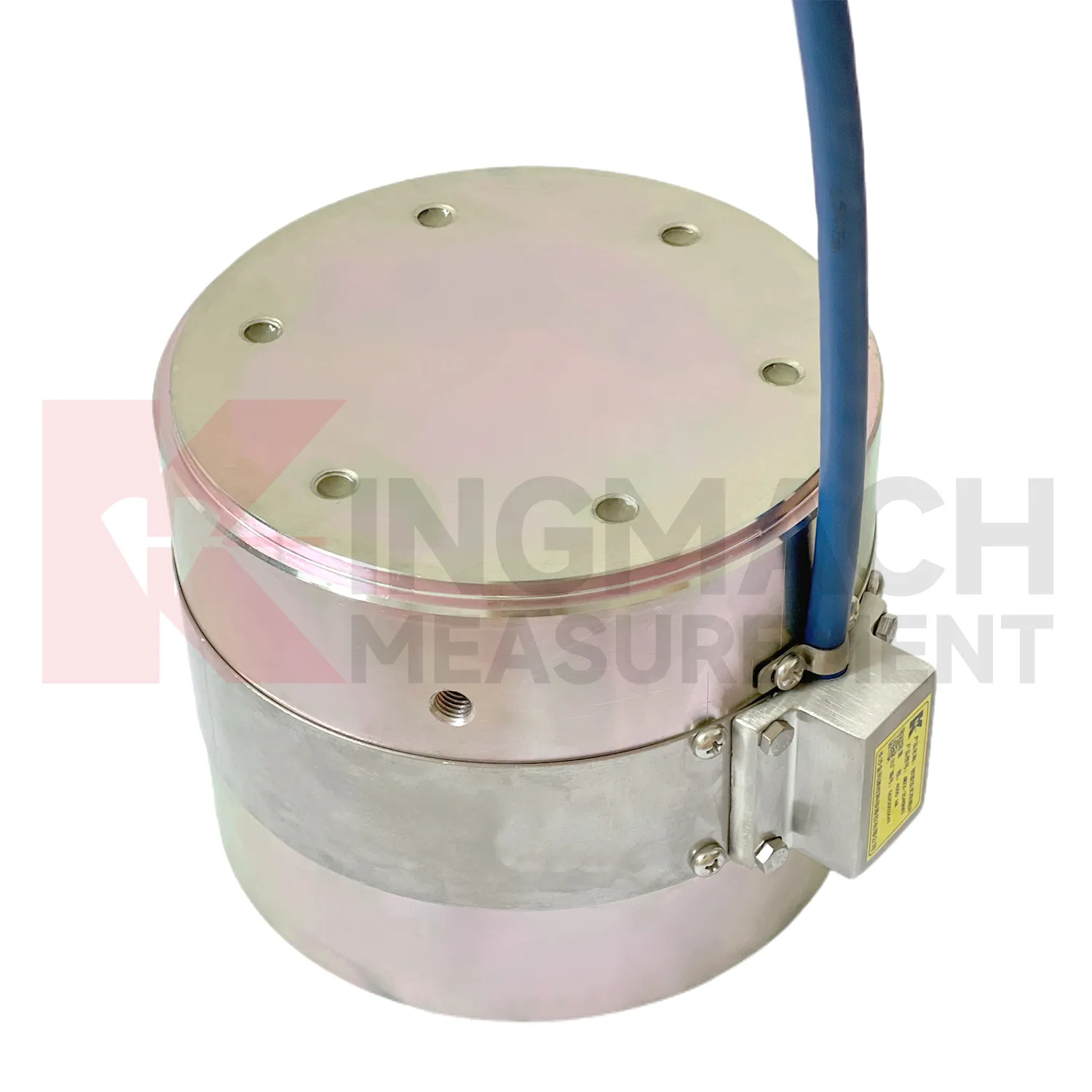
Solid load cell JMZX-34XXHAT、35XXHAT、36XXHAT
View Details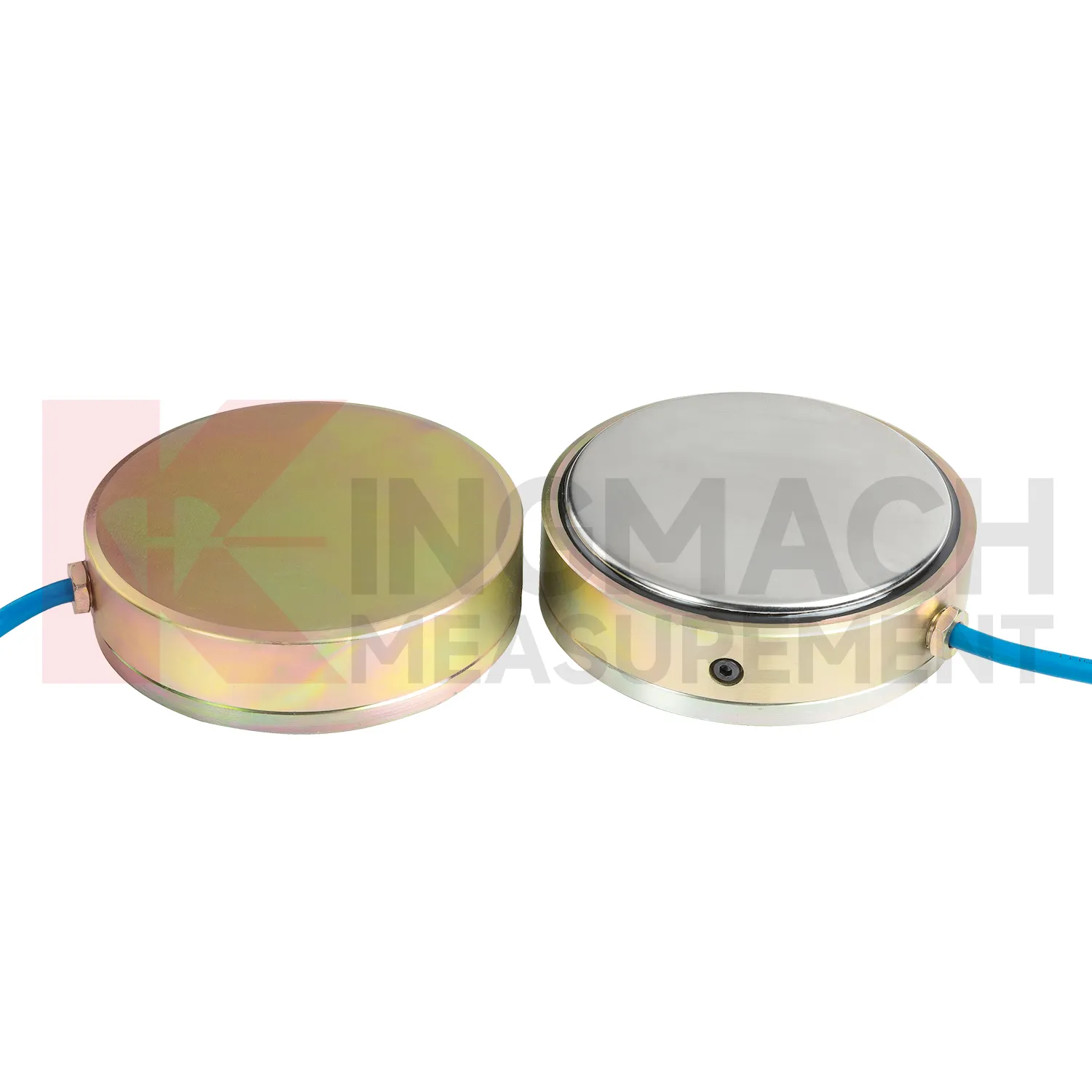
Earth Pressure Cell ( VW & Smart Type) JMZX-50XXAT/ ATM
View DetailsLarge Earth Pressure Cell ( VW & Smart Type) JMZX-51XXAT/ ATM
View DetailsFAQ
A common rule is to choose a load cell with a rated capacity about 20–30% higher than the maximum working load of the anchor. This gives headroom for lock-off overstress and minor load spikes without damaging the sensor. If you’re uncertain, share the anchor design sheet with our engineers and we’ll confirm the fit.
Yes. All Kingmach anchor load cells are sealed for long-term installation, typically rated to IP68 for continuous submersion in boreholes or buried conditions. The materials and internal sealing are chosen to resist corrosion and humidity over decades. Just make sure the cable gland and connector are properly sealed during setup.
The standard output is millivolt-per-volt (mV/V), which works with most strain gauge readout boxes. If you need an amplified signal, we can supply the load cell with a built-in 4–20 mA transmitter. For wireless monitoring, we also offer compatible nodes that plug directly into the sensor cable—no re-wiring needed.
We recommend baseline calibration before installation and then a verification every 12–18 months, depending on the criticality of the structure. If the readings start to drift unexpectedly, an earlier check is wise. Kingmach can provide recalibration service or on-site verification using a hydraulic jack and reference cell.
We include a detailed installation manual with every instrument, and our technical team can join online calls or site visits if needed. For larger projects, we sometimes run on-site training sessions with the monitoring crew to cover load cell placement, cable routing, and initial readings.
Share your product type, target capacity, and application requirements. Our team can review the details and recommend a practical next step.
If you are interested in our products or want to become our partner.
Please leave your contact information, our team will contact you as soon as possible.
Mail: [email protected]
Contact Us: +8613808434127
Address: No. 188 Tongzipo West Rd, Changsha, Hunan, China