
 EN
EN
 ar
ar bg
bg hr
hr cs
cs da
da nl
nl fi
fi fr
fr de
de el
el hi
hi it
it ko
ko no
no pl
pl pt
pt ro
ro ru
ru es
es sv
sv tl
tl iw
iw id
id lv
lv lt
lt sr
sr sk
sk sl
sl uk
uk vi
vi et
et hu
hu th
th tr
tr fa
fa ms
ms hy
hy ka
ka ur
ur bn
bn mn
mn ta
ta kk
kk uz
uz ku
ku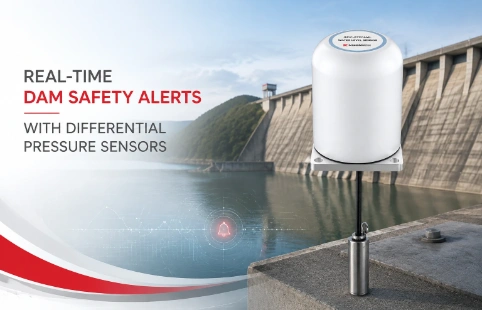
Real-Time Dam Safety Alerts with Differential Pressure Water Level Sensors
Key Takeaways An alert chain needs more than a sensor: define field in...

Welderable Strain Gauges: Direct Attachment for Long-Term Monitoring
Getting strain data from steel structures isn't always straightforward. Adhesive gauges can drift, fail under temperature swings, or just peel off after a few seasons of rain and heat. That's where welderable strain gauges come in. Instead of gluing, you spot-weld the gauge directly onto the surface. It becomes part of the structure, staying put even when the environment turns harsh. At Kingmach, we see these gauges go into bridge monitoring, tunnel linings, crane booms – any place where steel carries the load. The installation is fast, the readings stay consistent, and you don't have to babysit the sensor. This article gets into what makes a welderable gauge a practical choice, how they're built, and what to ask before you spec them into your next project.
Technical Detail
Kingmach supplies welderable strain gauges that suit a range of structural monitoring jobs. These gauges typically use a stainless steel carrier, with the strain-sensing grid encapsulated in a protective layer. The carrier can be spot-welded using a portable capacitive-discharge welder, which doesn't require heavy equipment or a specialist crew. Once locked on, the gauge tracks strain through the life of the structure – some installations stay operational for a decade or more. You'll commonly find them on steel girders, pile tests, railway tracks, and pressure vessels. The attachment avoids glues that can creep or soften under temperature cycles. This direct weld makes the gauge essentially a permanent part of the steel, so issues like zero drift from adhesive relaxation become less of a worry. Many units are pre-wired with high-temperature cables, and the measurement range often covers 2% strain or beyond, depending on the foil pattern. Kingmach holds a range of configurations: single-axis, rosette patterns for principal stress direction, and custom lengths for different base materials. Because every site is different, we can adjust gauge length, bridge resistance, and cable exit to match the actual need – not just what's on the shelf. Our team works with monitoring engineers to select the right temperature compensation range, so the gauge works in the climate it will actually face. With a global distribution setup and technical support that doesn't end at the sale, users get answers fast when questions come up about welding parameters or data interpretation.
News
Key Takeaways An alert chain needs more than a sensor: define field in...
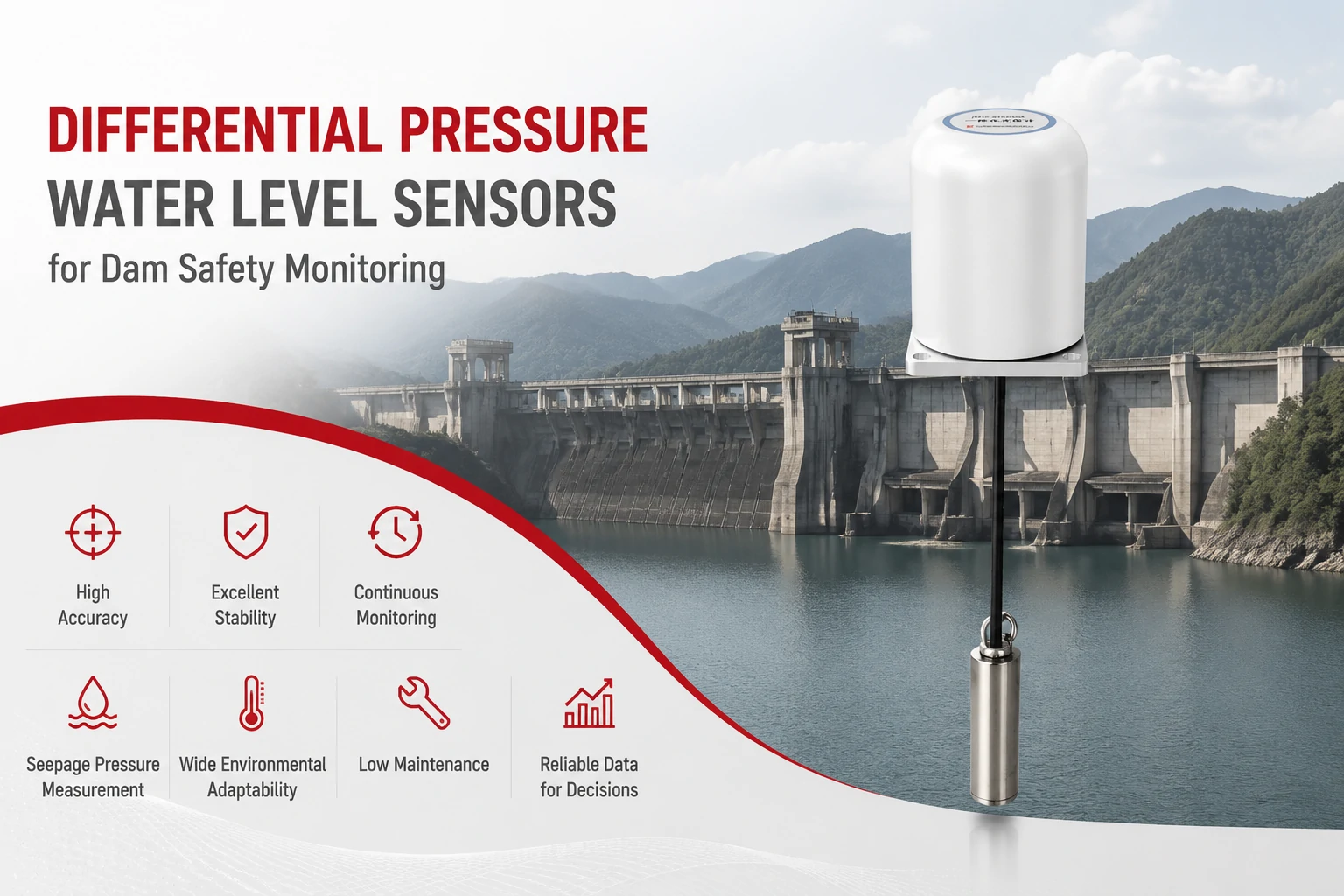
Key Takeaways The strongest fit is usually a confined, submerged, or s...
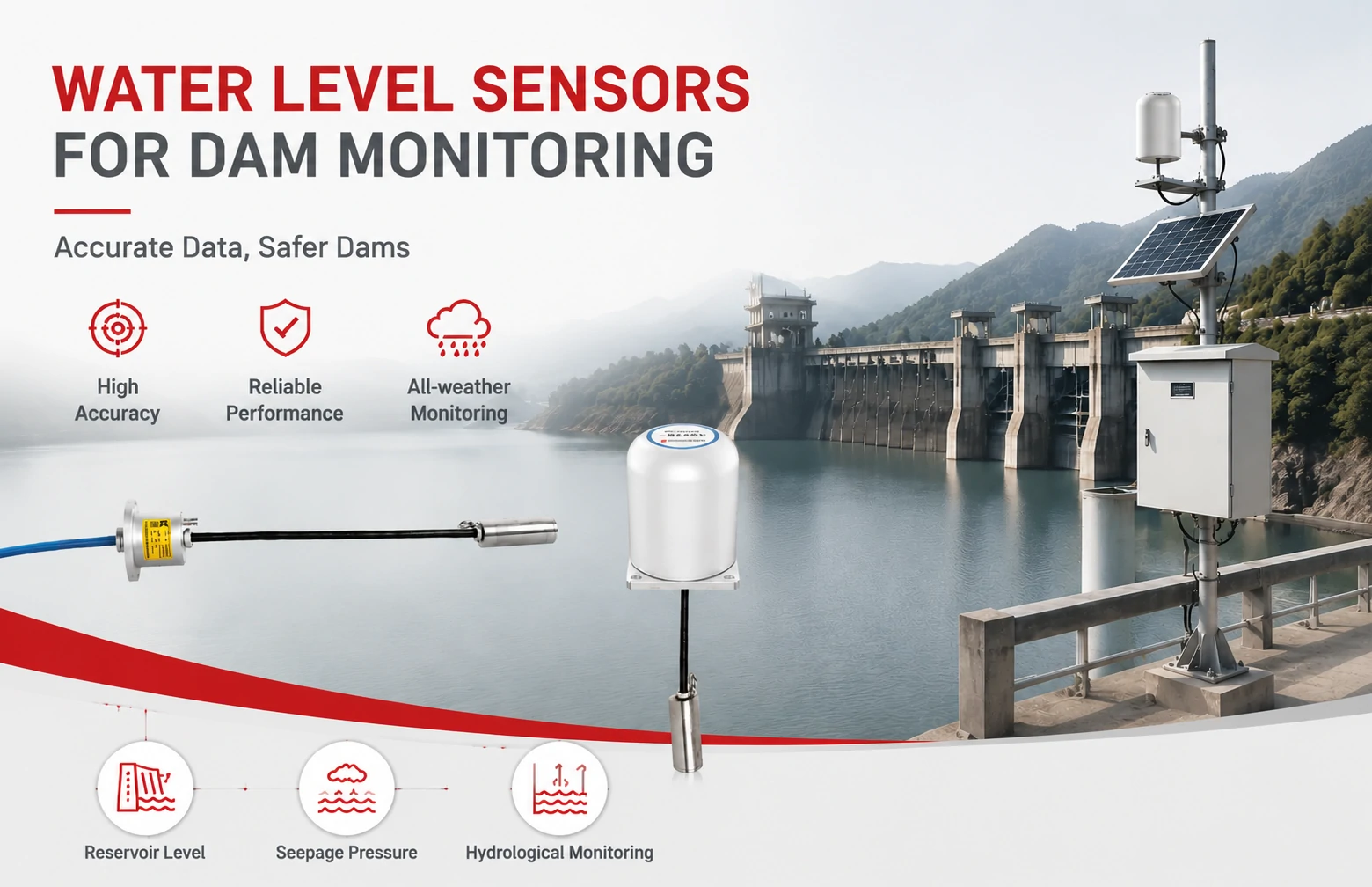
Kingmach Water Level Sensors for Dam Monitoring: A Buyer's Guide to Differential Pre...
Products
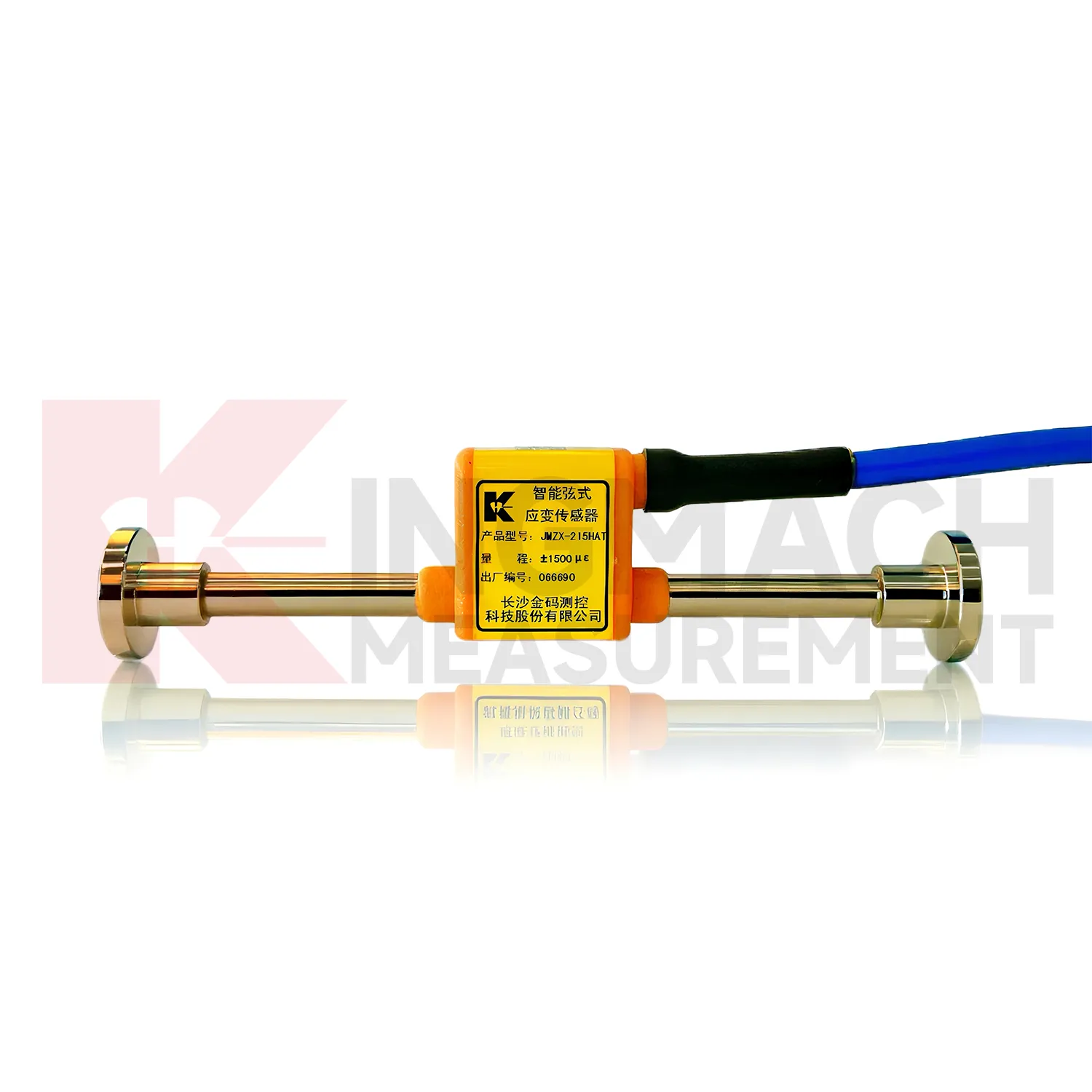
Smart vibrating wire strain gauge (embedment model) JMZX-215HA/215HAT/HB
View Details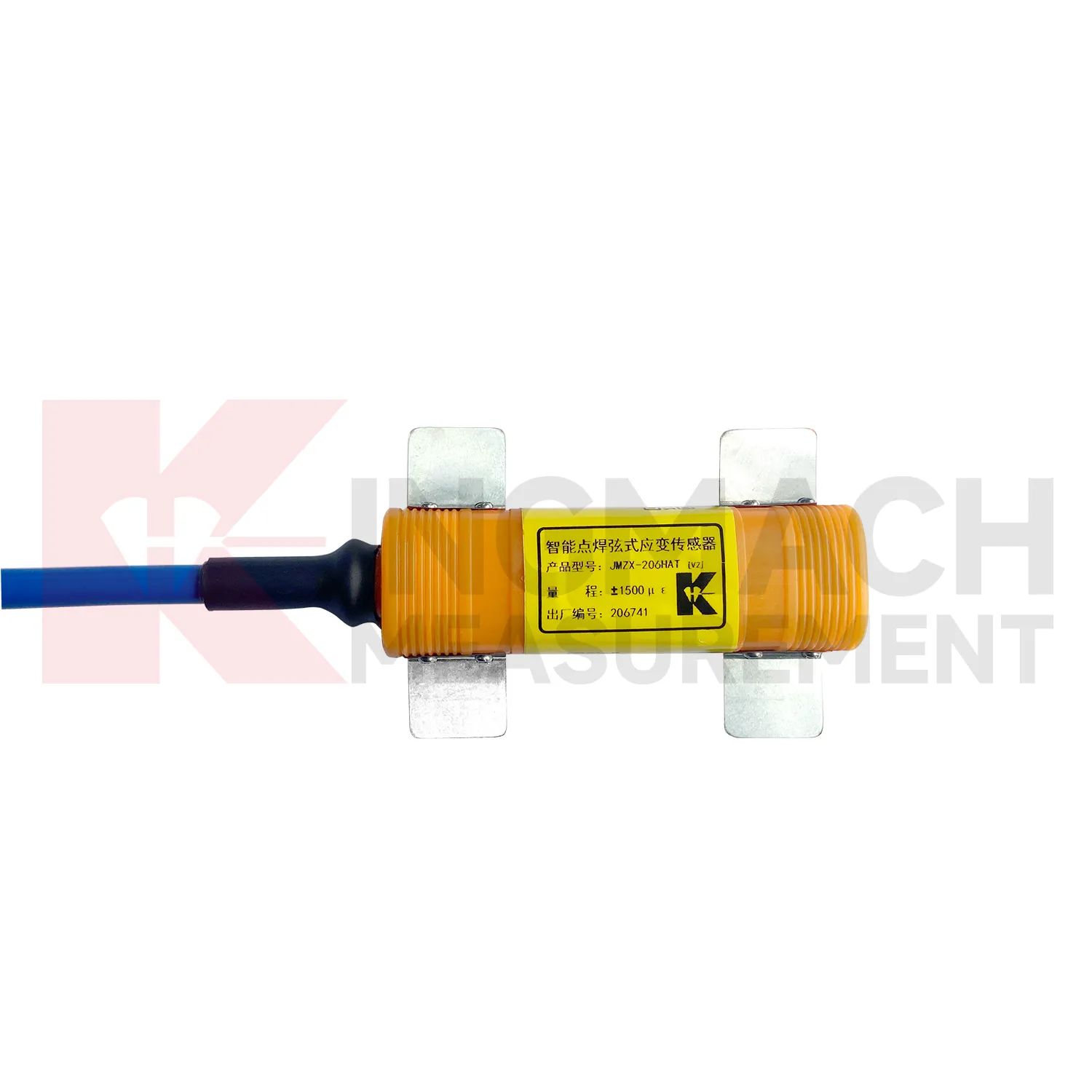
Smart vibrating wire strain gauge (surface welded model) JMZX-206HAT
View Details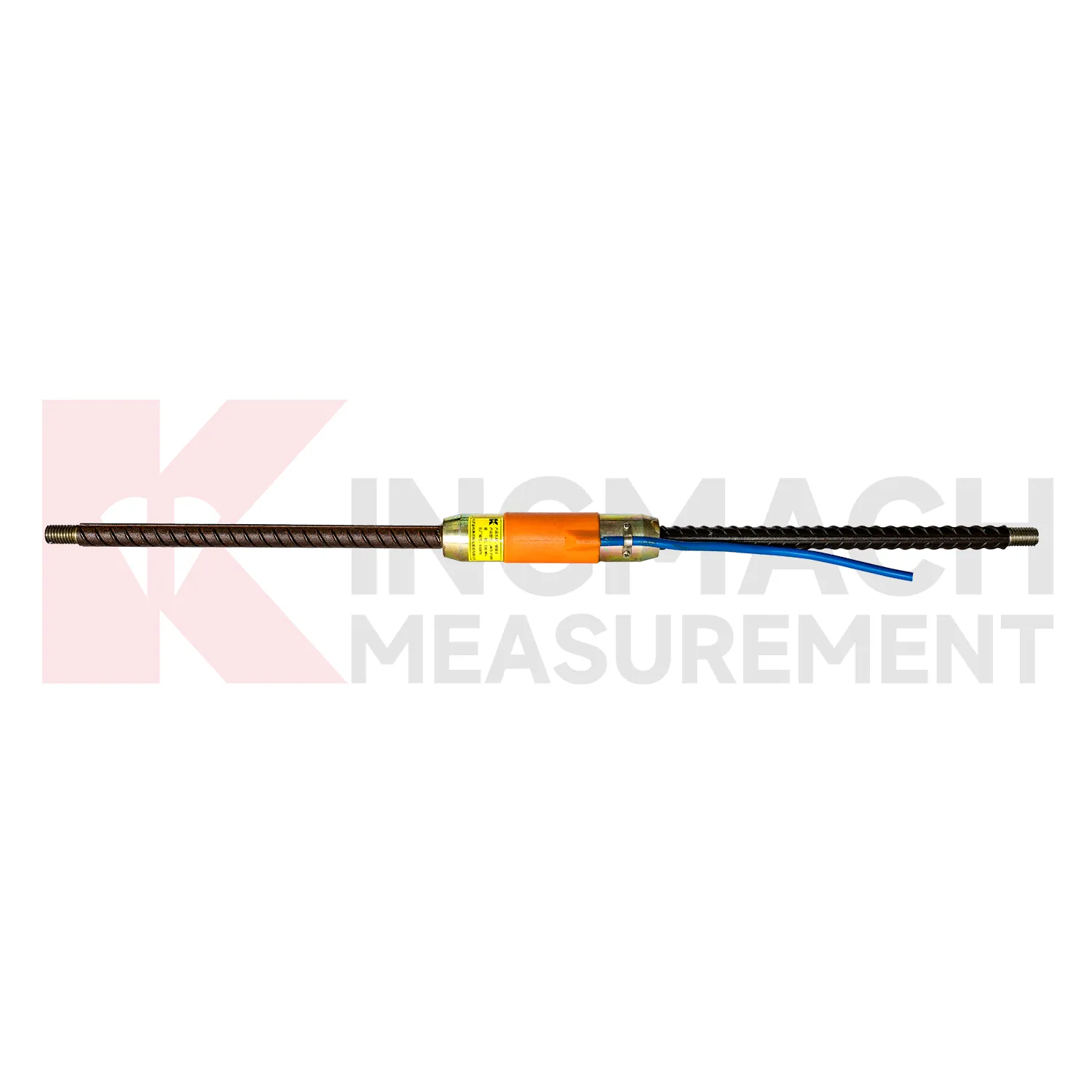
Rebar Strainmeters ( VW & Smart Type) JMZX-4XXHAT/HB
View DetailsFAQ
They attach by spot welding instead of adhesive. This gives a stronger mechanical bond, especially on coarse or uneven steel surfaces where glue might not fill gaps consistently. Weldable gauges also resist moisture and temperature swings better, so they're often used outdoors or in submerged locations.
A capacitive-discharge spot welder is the common tool. It delivers a short, controlled pulse that fuses the gauge carrier to the metal without overheating the sensing foil. These are portable units, often with a handheld welding pencil, so on-site work is straightforward once the operator has some practice.
It depends on the carrier material and the welding process. Standard stainless-steel carriers weld nicely to regular steel but can be tricky on aluminum due to conductivity differences. For stainless or other alloys, we often recommend specific gauge backings and adjusted weld settings. It's best to test a few coupons first.
The gauge should match the thermal expansion coefficient of the base metal. For mild steel, you'd pick a gauge compensated for steel. For different alloys, you can either select a gauge with the matching characteristic or use a half-bridge arrangement to cancel thermal output. Kingmach helps with this selection during project planning.
Share your product type, target capacity, and application requirements. Our team can review the details and recommend a practical next step.
If you are interested in our products or want to become our partner.
Please leave your contact information, our team will contact you as soon as possible.
Mail: [email protected]
Contact Us: +8613808434127
Address: No. 188 Tongzipo West Rd, Changsha, Hunan, China