
 EN
EN
 ar
ar bg
bg hr
hr cs
cs da
da nl
nl fi
fi fr
fr de
de el
el hi
hi it
it ko
ko no
no pl
pl pt
pt ro
ro ru
ru es
es sv
sv tl
tl iw
iw id
id lv
lv lt
lt sr
sr sk
sk sl
sl uk
uk vi
vi et
et hu
hu th
th tr
tr fa
fa ms
ms hy
hy ka
ka ur
ur bn
bn mn
mn ta
ta kk
kk uz
uz ku
ku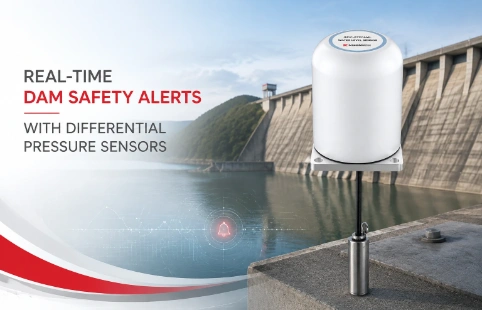
Real-Time Dam Safety Alerts with Differential Pressure Water Level Sensors
Key Takeaways An alert chain needs more than a sensor: define field in...

Accelerometer Applications: Real-World Geotechnical Cases
In 2018, a tailings dam in South America showed subtle vibrations weeks before a catastrophic failure. Embedded accelerometers detected the shift early, giving enough time to reinforce. This is just one case where accelerometer applications prove their worth. In geotechnical monitoring, accelerometers do more than just measure movement—they provide early warning for disaster prevention. Kingmach has been part of such projects, supplying instruments that track ground deformation, pile driving impacts, and seismic responses. From tunneling under cities to monitoring landslide-prone slopes, accelerometer applications span a wide range. This guide dives into practical cases and technical insights, drawing from real-world engineering demands.
Technical Detail
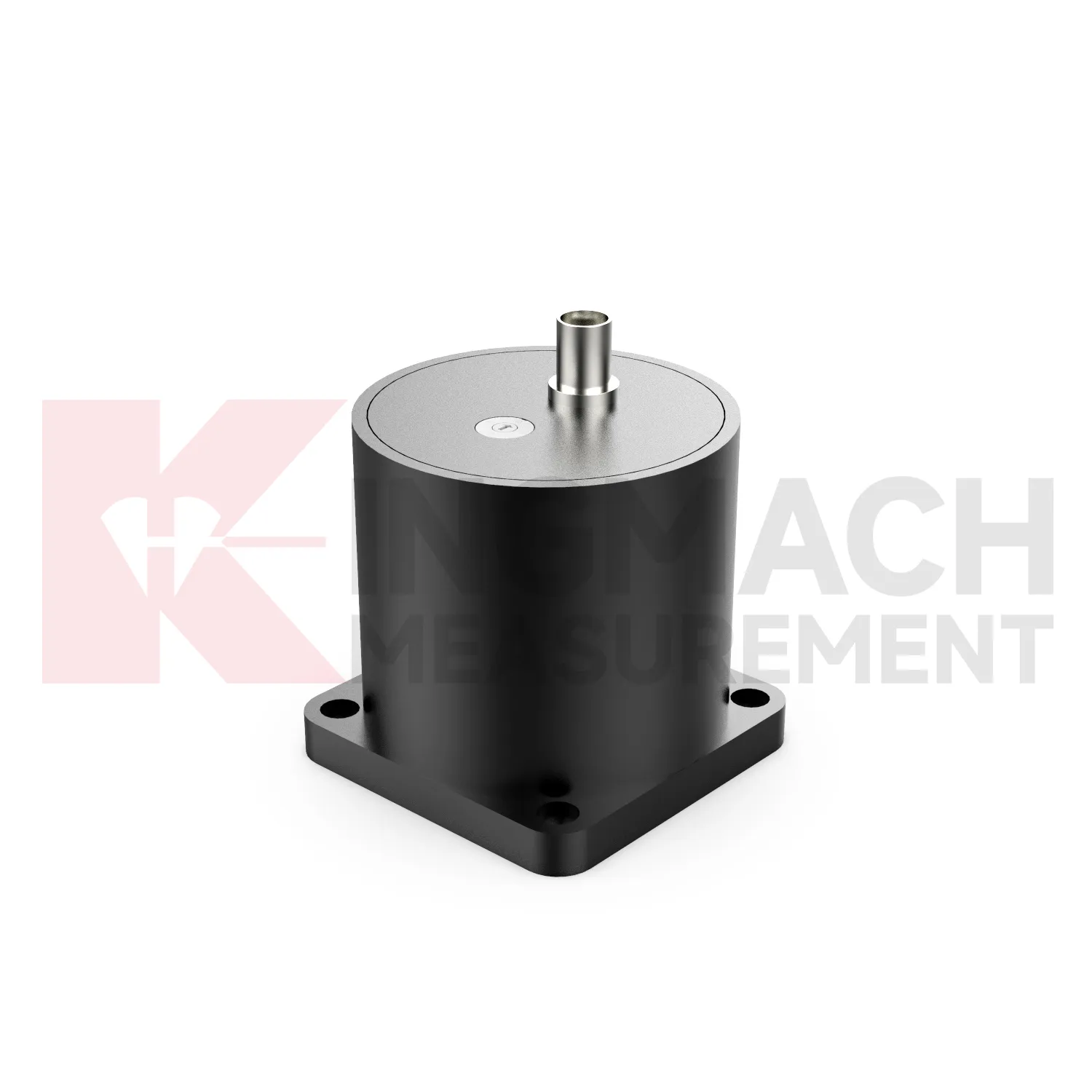
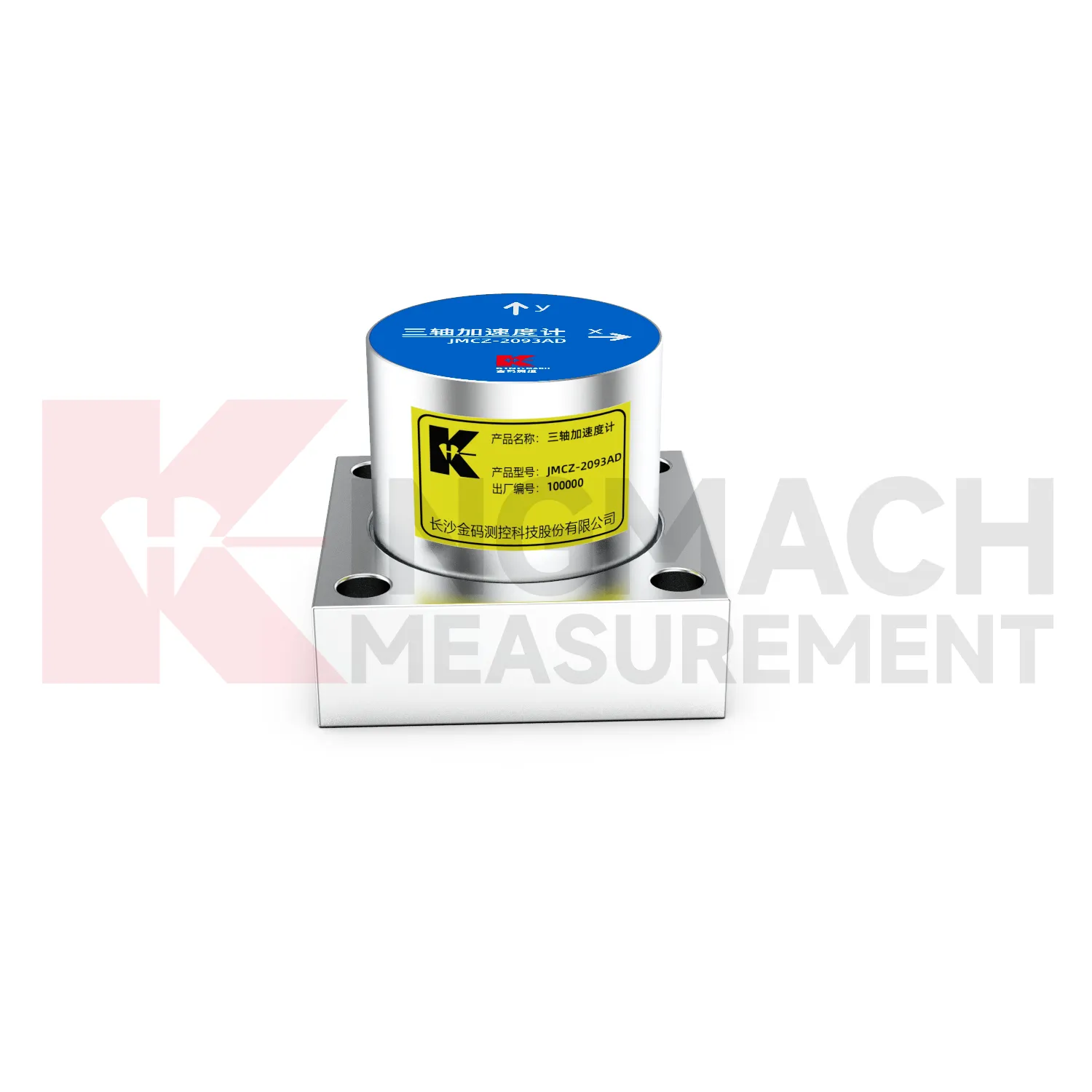
Accelerometers are the quiet workhorses of infrastructure safety. They sit embedded in concrete, bolted to steel, or buried in soil, capturing vibration data that engineers interpret for early signs of failure. At Kingmach, we’ve supplied accelerometers for projects ranging from high-speed rail foundations to offshore wind turbine bases. A typical accelerometer application in geotechnical monitoring involves measuring peak particle velocity (PPV) during blasting near sensitive structures, or tracking the frequency response of a bridge pier during seismic events. Our accelerometers are designed with wide measurement ranges (up to ±2g or ±10g) and rugged housings to survive in wet, corrosive environments. This reliability is not just on paper; it’s proven in the field. For instance, during a metro expansion in Southeast Asia, our low-noise triaxial accelerometers helped monitor adjacent building settlements, ensuring no cracks went undetected. Another application is in pile integrity testing, where the accelerometer records wave reflections to locate defects. Kingmach can customize sensor mounting and cable lengths for specific installations. Our global distribution network means quick delivery and local technical support. We also provide calibration certificates with each sensor, traceable to international standards. While many focus on the sensor itself, we believe the real value is in the application expertise—helping you interpret the data and set appropriate thresholds. Whether for temporary construction monitoring or permanent structural health systems, accelerometer applications evolve with project needs. We’ve worked with consultants who needed 4–20mA output for PLC integration, and others who required MEMS capacitive technology for low-frequency tilt measurement. This breadth makes Kingmach a practical choice for your next monitoring project.
News
Key Takeaways An alert chain needs more than a sensor: define field in...
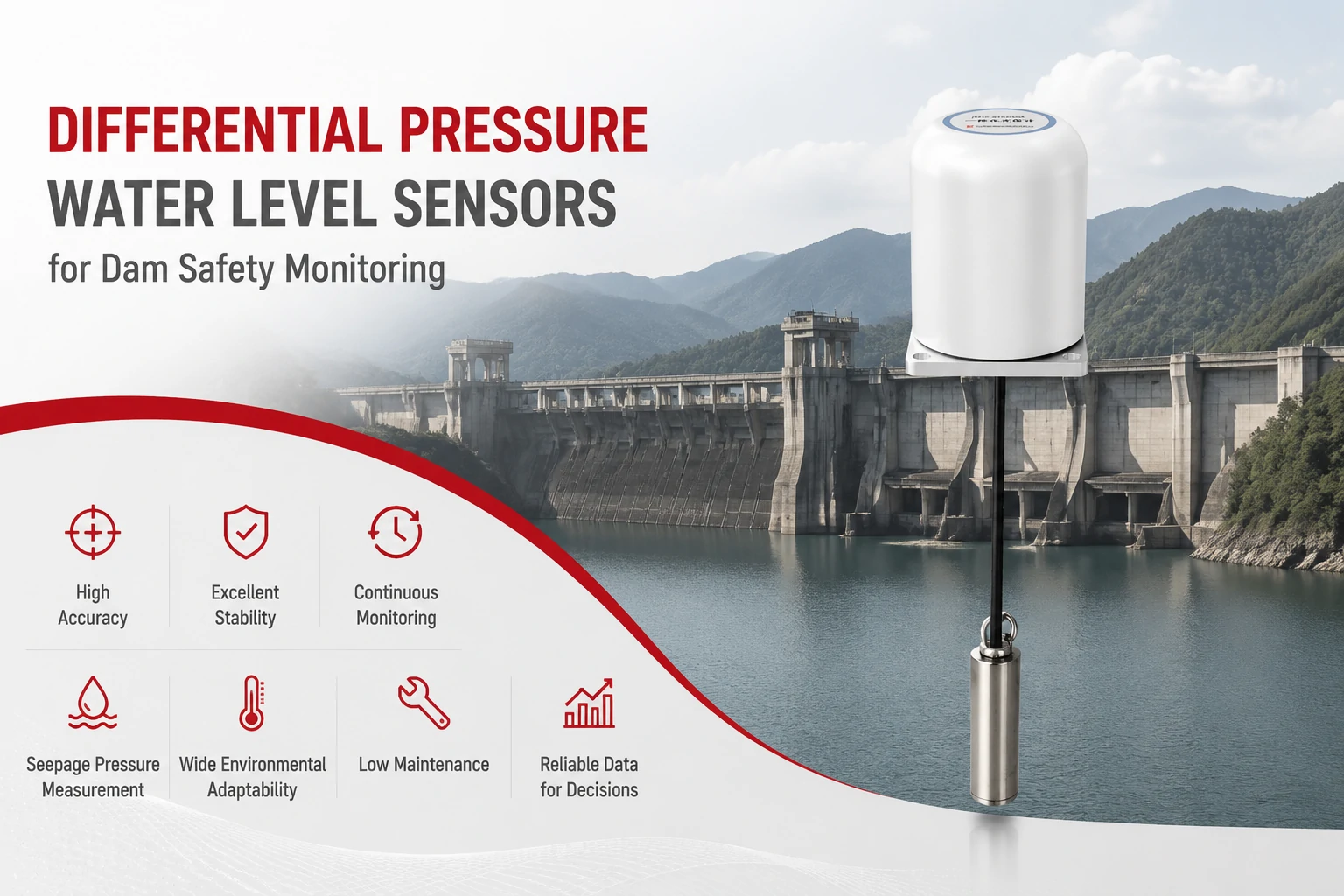
Key Takeaways The strongest fit is usually a confined, submerged, or s...
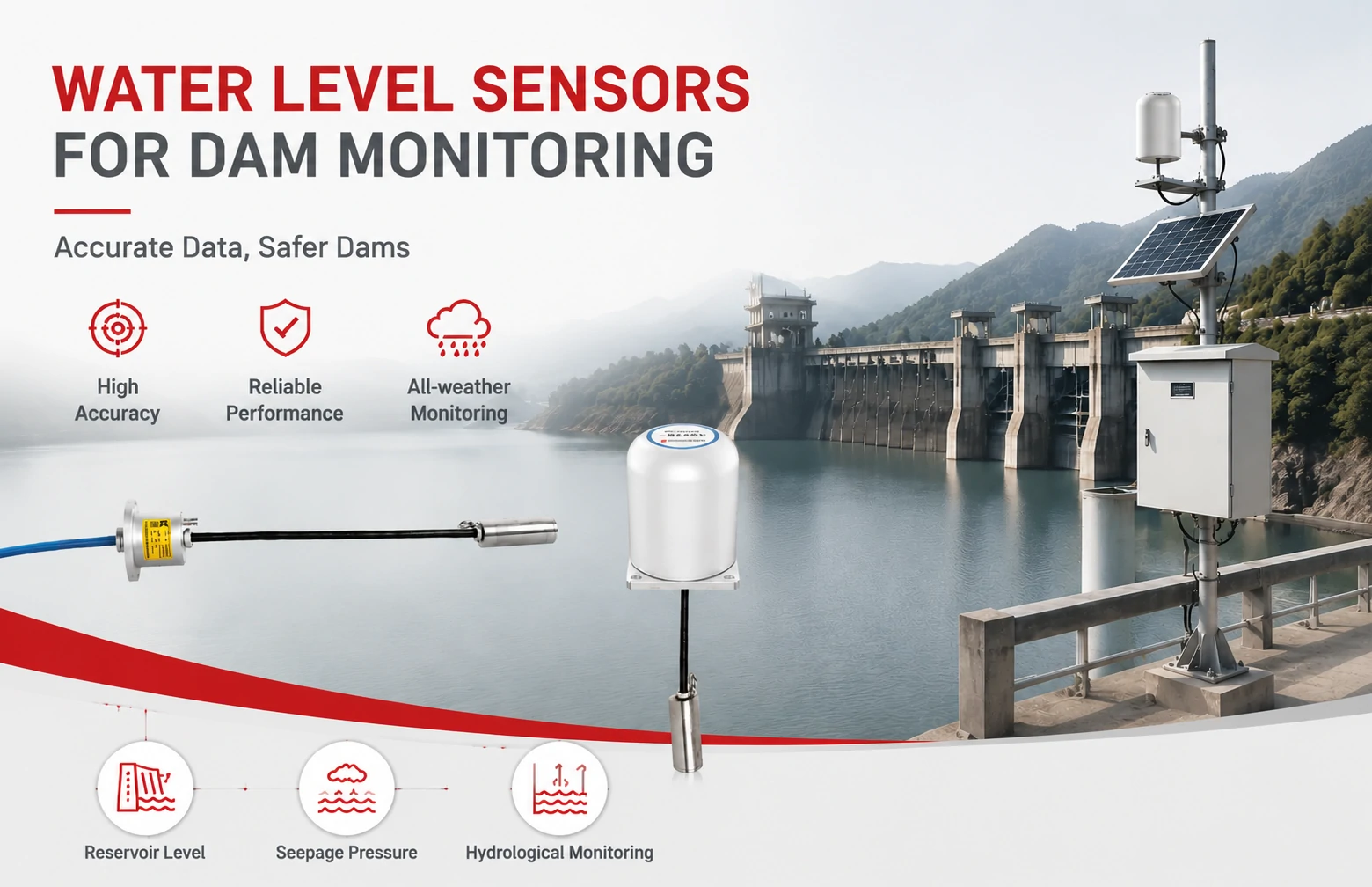
Kingmach Water Level Sensors for Dam Monitoring: A Buyer's Guide to Differential Pre...
Products
FAQ
Accelerometers get used in quite a few scenarios. You'll find them monitoring vibration during pile driving to avoid damaging nearby structures, measuring structural response during seismic events, and tracking ground acceleration in landslide zones. They're also common in dam safety, where tiny movements can be early warning signs. Basically, anywhere you need to understand how a structure or ground reacts to dynamic forces, an accelerometer is probably involved.
That depends on what you're measuring. For blast monitoring, you might need something that can handle ±100g peaks without saturating. For ambient vibration of tall buildings, a much finer resolution like 1 μg/√Hz is more useful. We usually ask clients about the expected vibration levels and frequency range they care about. From there, we can recommend a sensor that fits. Our team has seen a lot of projects, so they can guide you through the trade-offs.
Yes, that's a common request. Many of our sensors output analog voltage or 4–20mA current loop signals, which work with most industrial data loggers. We've also supplied digital interfaces like RS-485 for longer cable runs. If you have a specific system in mind, we can often adapt the output or provide a signal conditioner. Just let us know your setup, and we'll check compatibility.
Not much, honestly. They're solid-state devices, so there's no regular cleaning or lubrication. The main thing is making sure the cable connections stay dry and the mounting is still tight. We recommend a quick check during site visits—maybe tap test to verify the signal. In harsh environments, like marine or heavy dust, we can add protective coatings. Every couple of years, you might send one back for recalibration if you need traceable accuracy.
Share your product type, target capacity, and application requirements. Our team can review the details and recommend a practical next step.
If you are interested in our products or want to become our partner.
Please leave your contact information, our team will contact you as soon as possible.
Mail: [email protected]
Contact Us: +8613808434127
Address: No. 188 Tongzipo West Rd, Changsha, Hunan, China