
 EN
EN
 ar
ar bg
bg hr
hr cs
cs da
da nl
nl fi
fi fr
fr de
de el
el hi
hi it
it ko
ko no
no pl
pl pt
pt ro
ro ru
ru es
es sv
sv tl
tl iw
iw id
id lv
lv lt
lt sr
sr sk
sk sl
sl uk
uk vi
vi et
et hu
hu th
th tr
tr fa
fa ms
ms hy
hy ka
ka ur
ur bn
bn mn
mn ta
ta kk
kk uz
uz ku
ku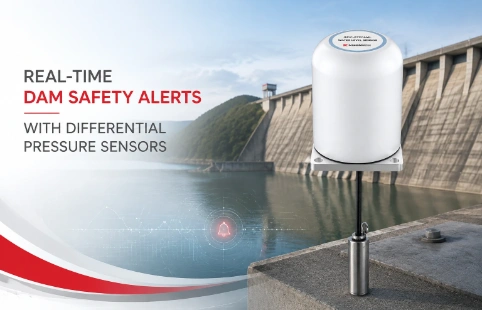
Real-Time Dam Safety Alerts with Differential Pressure Water Level Sensors
Key Takeaways An alert chain needs more than a sensor: define field in...

Load Cell Recalibration: When and Why You Need It
Load cells drift. Even the best ones. Over time, factors like mechanical stress, temperature swings, and simply being used can shift a sensor's output. Most users don’t notice until readings start looking off or a QC check fails. Recalibration isn’t something to dread; it’s routine maintenance. At Kingmach, we’ve seen enough load cells come back with calibration curves that have drifted just enough to cause concern. The fix is straightforward, but many operators put it off. This page explains when recalibration makes sense, what the process involves, and how our team can help. We’re not just a manufacturer; we’ve been calibrating our own instruments for over a decade and know the signs to watch for. If you’re relying on load cells for critical measurements, recalibration shouldn’t be an afterthought. It’s the difference between data you trust and numbers you hope are right.
Technical Detail
Load cell recalibration is the process of comparing a sensor’s output against a known reference and adjusting it to restore accuracy. Over time, zero balance and span can shift. Creep effects, cable changes, or even a single overload event can throw things off. Kingmach handles calibration with traceable standards, whether you’re using our own strain gauge-based load cells or sensors from other suppliers. Our team typically suggests recalibration intervals of 6 to 12 months depending on usage, environment, and criticality of measurements. We’ve worked on everything from heavy-duty rock bolt load cells to miniature force sensors, and the principles are the same: apply a series of known loads, record the output, and correct for any non-linearity. One thing that surprises many clients is how often a simple cleaning and retightening of connectors can fix what seems like a drift issue. But when it doesn’t, recalibration is the next step. The turnaround time varies based on load cell type and load capacity, but most industrial cells are back within a week. For those asking about documentation, we provide calibration certificates with before-and-after data so you can see exactly how far the sensor had drifted. If you’re managing a large fleet of sensors, Kingmach can help set up a calibration schedule that fits your project’s rhythm. Recalibration isn’t just about meeting audit requirements; it’s about keeping your measurement data consistent month after month.
News
Key Takeaways An alert chain needs more than a sensor: define field in...
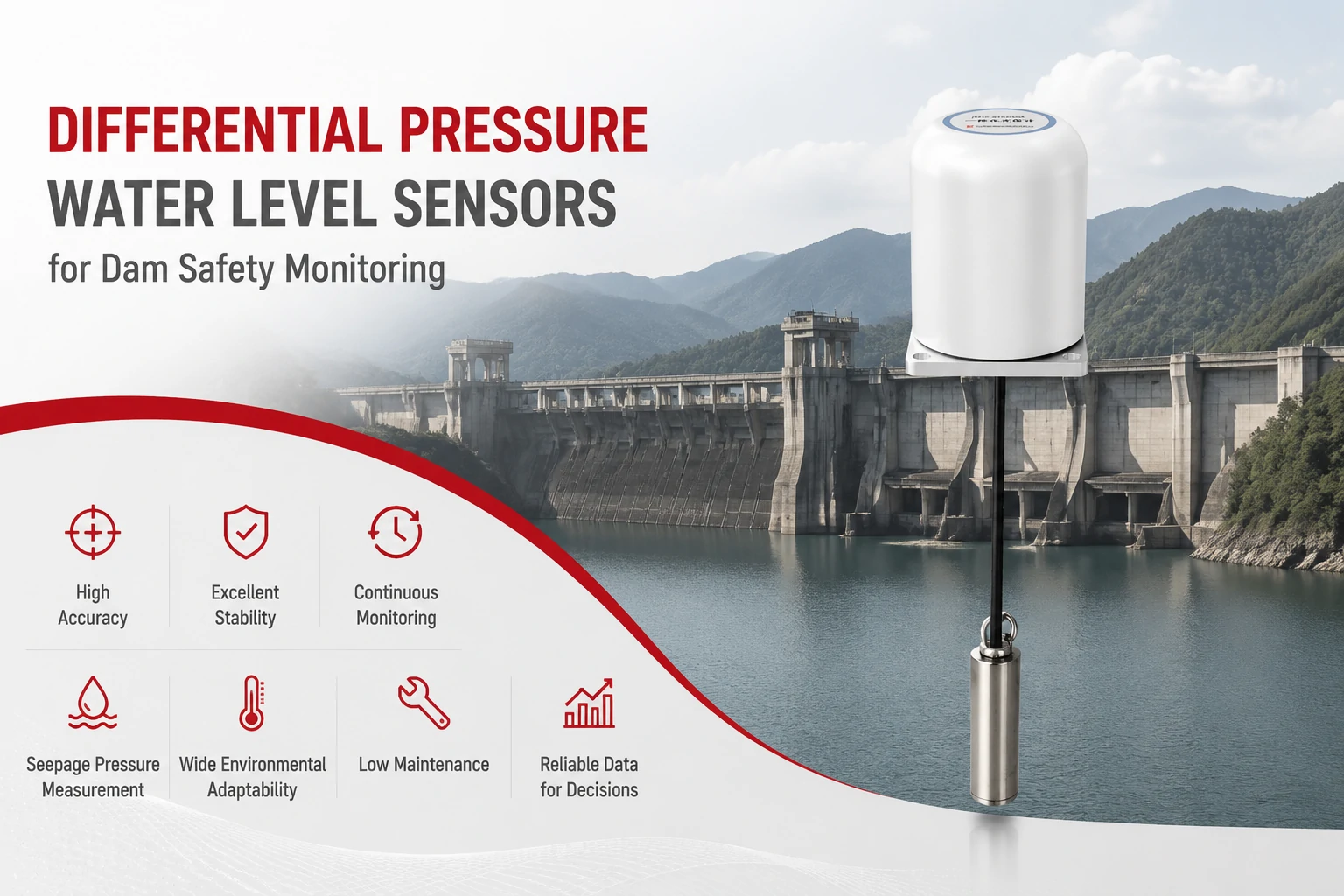
Key Takeaways The strongest fit is usually a confined, submerged, or s...
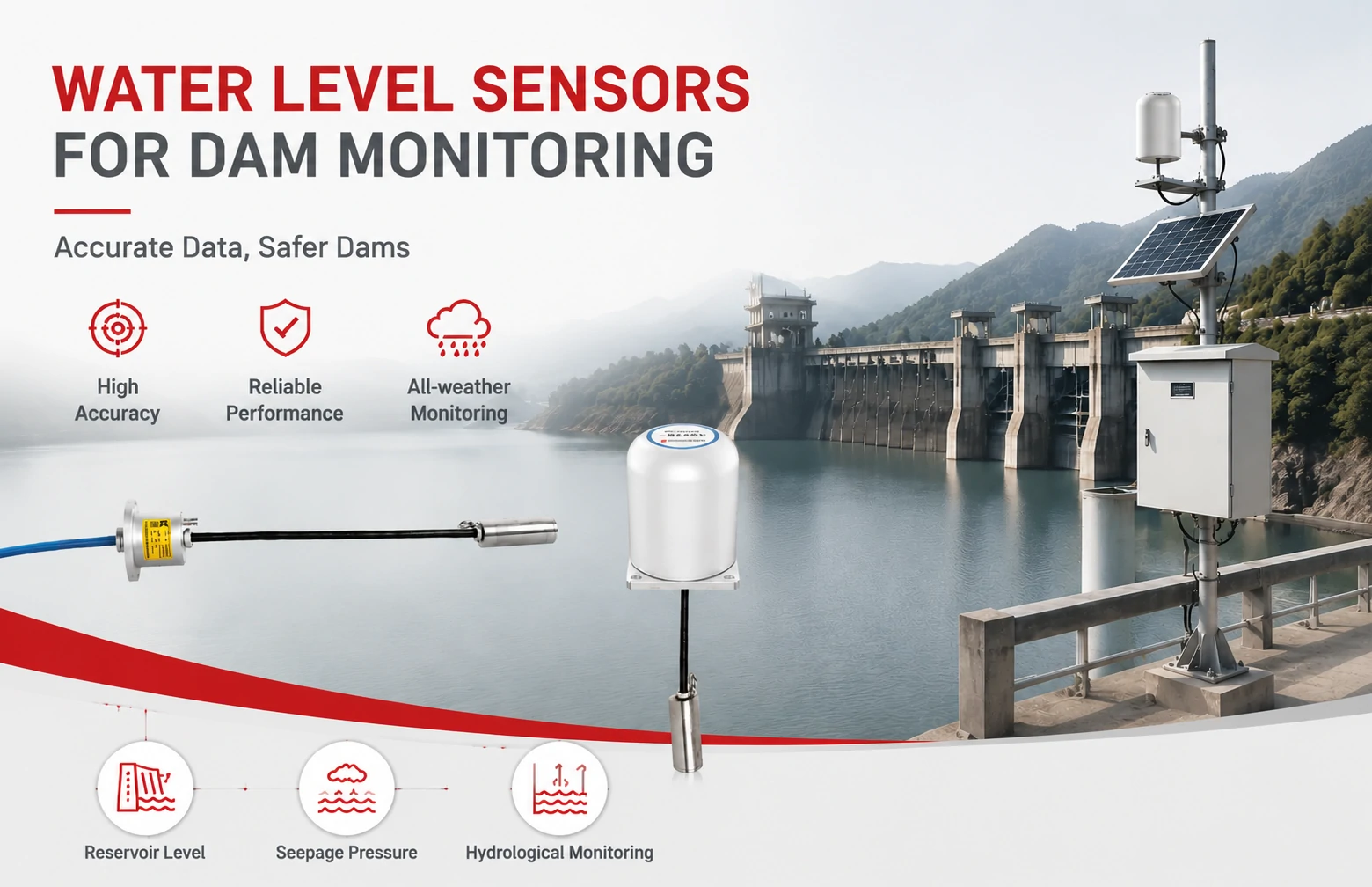
Kingmach Water Level Sensors for Dam Monitoring: A Buyer's Guide to Differential Pre...
Products
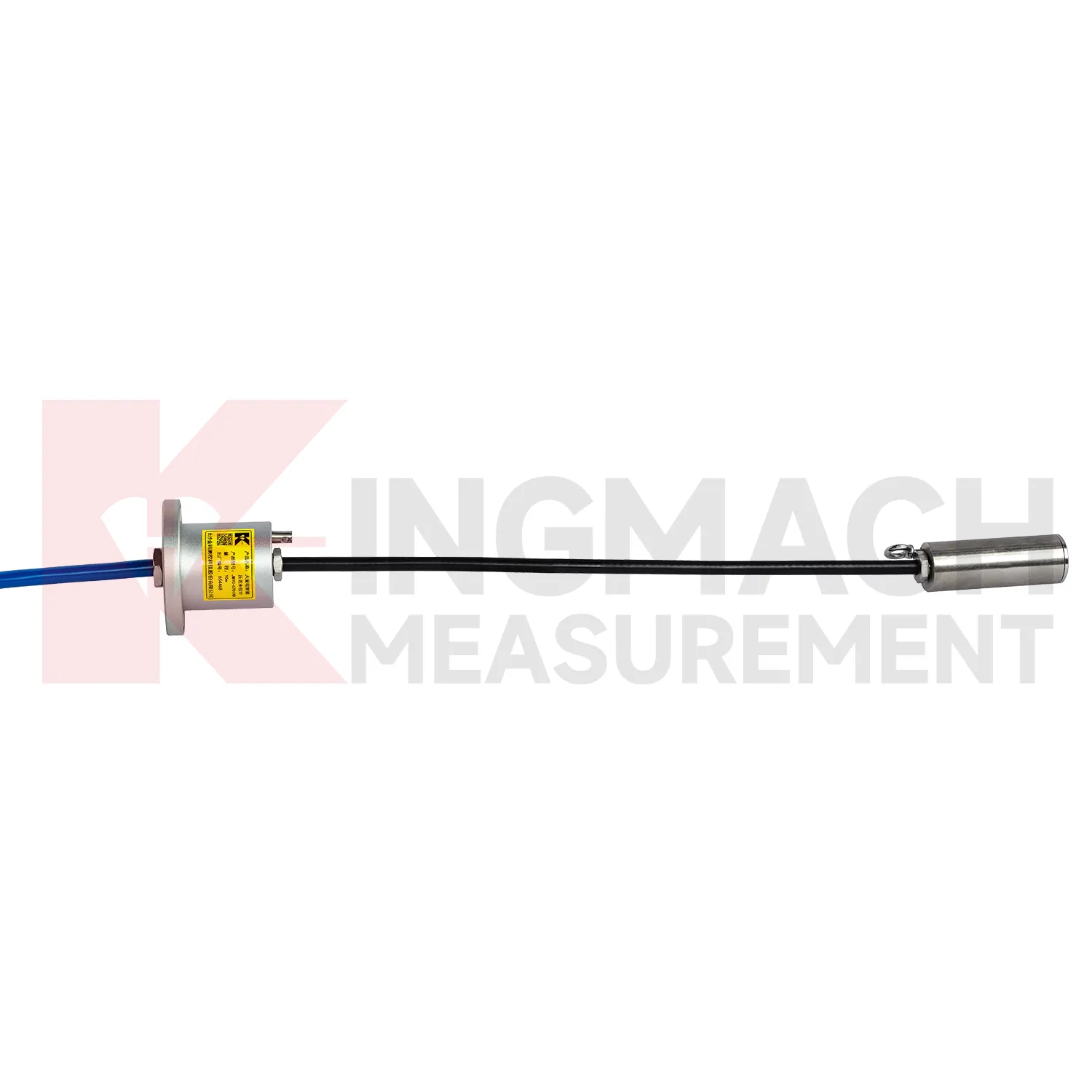
Wide-Range Smart Differential Pressure Water Level Meter JMYC-67XXAD
View Details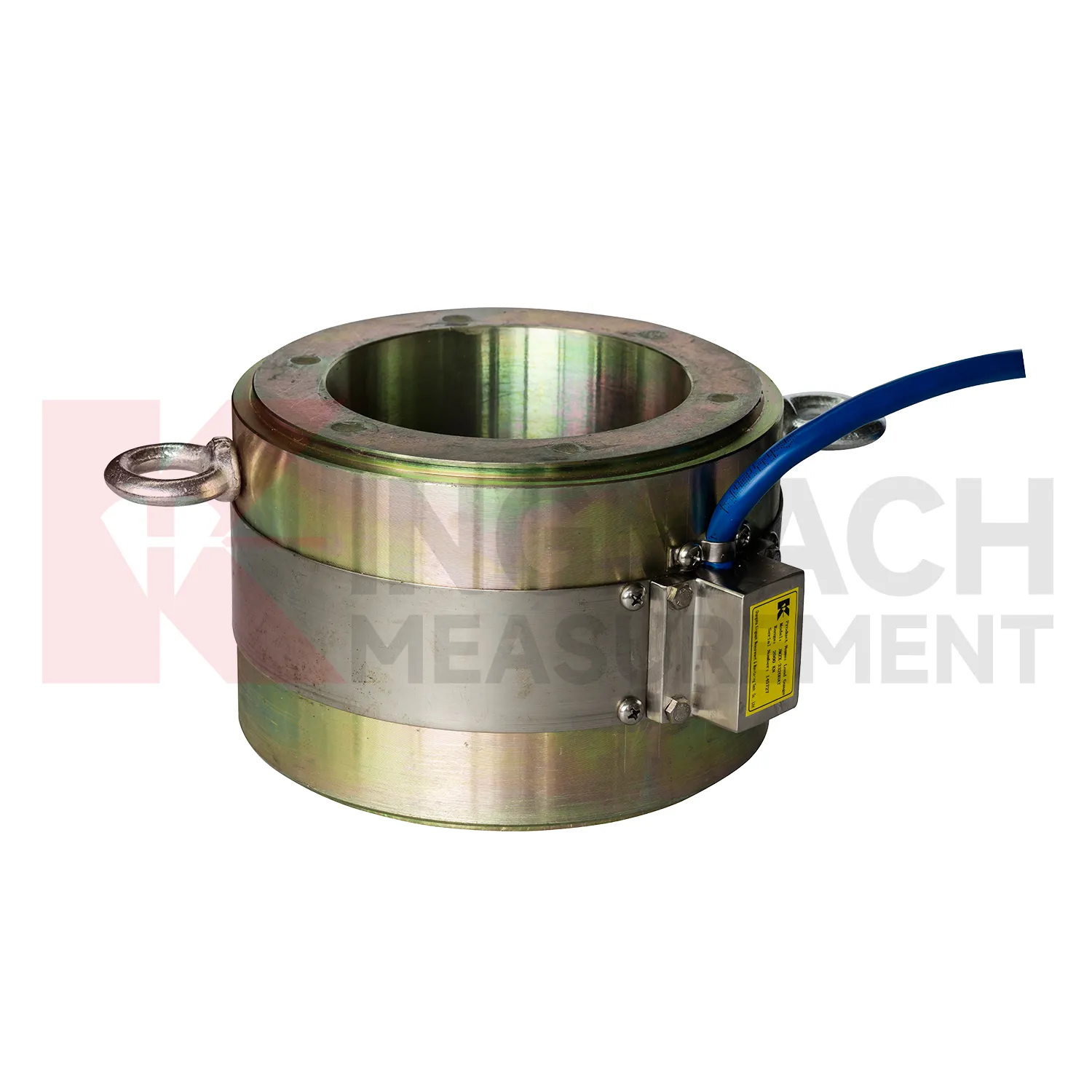
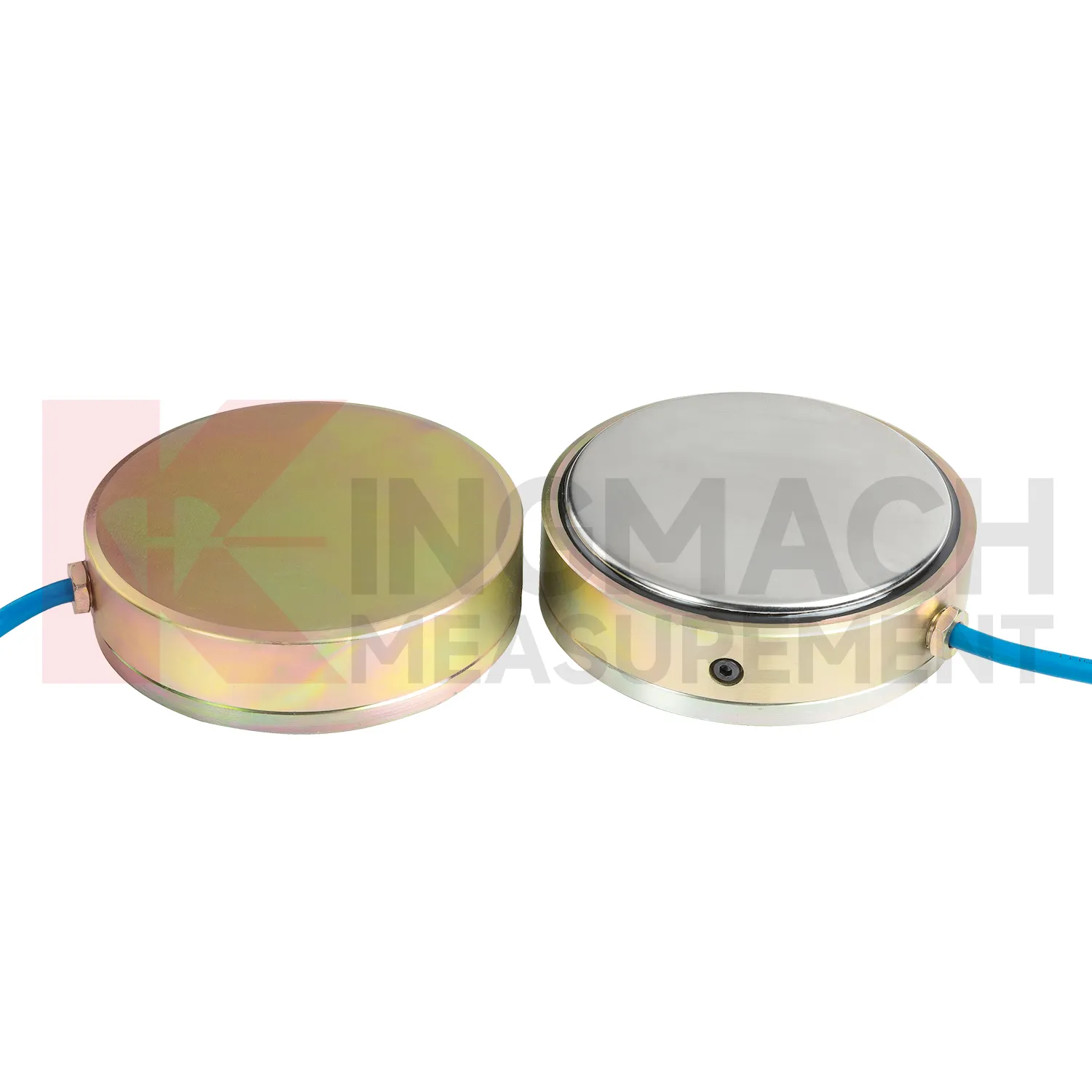
Earth Pressure Cell ( VW & Smart Type) JMZX-50XXAT/ ATM
View DetailsFAQ
Drift often shows up as a consistent offset in the zero reading when no load is applied. If you notice unexplained shifts in your readings, or if the sensor fails a system calibration check, it’s time to investigate. Some users also spot non-linearity when testing with known weights. Regular calibration checks every 6 to 12 months are a good practice.
Yes. Kingmach recalibrates load cells regardless of the original manufacturer. Our calibration procedures are based on standard force calibration methods using traceable reference equipment. The only requirement is that the sensor is stable and mechanically intact.
The key details are the load cell model, capacity, excitation voltage, and output sensitivity (mV/V) if known. Telling us how it’s being used helps too, especially if there’s been an overload event. If the load cell has a calibration certificate from the previous calibration, we can compare and give you a detailed drift report.
Most standard industrial load cells are completed within 3 to 5 working days after arrival. More complex setups, such as multi-axis sensors or very high-capacity cells, may take longer. We can provide a more precise timeline once we know the specifics of your sensor.
In many cases yes, especially for large or permanently installed load cells where removal is impractical. Our team can travel to your site with portable working standards and calibration equipment. The feasibility depends on the sensor type and site conditions; it’s best to discuss directly with our technical team.
Share your product type, target capacity, and application requirements. Our team can review the details and recommend a practical next step.
If you are interested in our products or want to become our partner.
Please leave your contact information, our team will contact you as soon as possible.
Mail: [email protected]
Contact Us: +8613808434127
Address: No. 188 Tongzipo West Rd, Changsha, Hunan, China