
 EN
EN
 ar
ar bg
bg hr
hr cs
cs da
da nl
nl fi
fi fr
fr de
de el
el hi
hi it
it ko
ko no
no pl
pl pt
pt ro
ro ru
ru es
es sv
sv tl
tl iw
iw id
id lv
lv lt
lt sr
sr sk
sk sl
sl uk
uk vi
vi et
et hu
hu th
th tr
tr fa
fa ms
ms hy
hy ka
ka ur
ur bn
bn mn
mn ta
ta kk
kk uz
uz ku
ku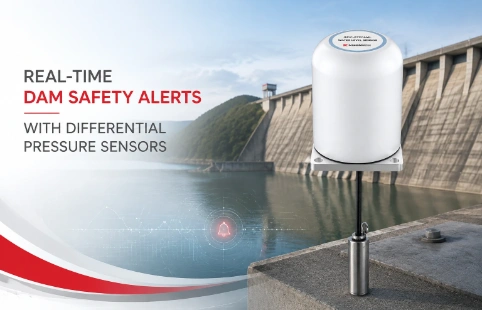
Real-Time Dam Safety Alerts with Differential Pressure Water Level Sensors
Key Takeaways An alert chain needs more than a sensor: define field in...

Using Piezometers for Groundwater Monitoring: A Field Guide
A couple of years ago, a dam monitoring project ran into trouble because the water table readings were all over the place. The culprit? Piezometers installed without proper grouting. That’s the sort of detail that gets overlooked if you treat groundwater monitoring as just another sensor on a checklist. For geotechnical engineers, knowing exactly where the water table sits—and how pore pressure changes over time—can make the difference between a stable slope and a stalled job site. Kingmach has been supplying piezometers for groundwater monitoring long enough to see these problems up close. Our vibrating wire and strain gauge models are used in everything from landfill seepage checks to deep excavation dewatering. They’re not glamorous, but when the data skips or drifts, the whole project notices. This guide walks through the practical side of selecting and deploying a piezometer for groundwater monitoring, focusing on field conditions that matter—cable routing, filter tip selection, and long-term signal stability.
Technical Detail
When it comes to picking a piezometer for groundwater monitoring, the sensor itself is only part of the puzzle. Kingmach builds both vibrating wire and strain gauge piezometers that cover common ranges—0 to 350 kPa for shallow monitoring, up to several megapascals for deep wells. The body is typically stainless steel, with a porous filter stone sized to the surrounding soil. One thing we’ve learned from working on international projects is that standard off-the-shelf probes often don’t fit local borehole diameters or data logger setups. That’s why we keep cable length, output signal, and even the outer diameter flexible for customization. Our global distribution network means you’re not waiting months for a replacement if a sensor gets flooded or crushed. From a practical standpoint, you’ll want to match the sensor range to your expected water column height, plus a safety margin for unexpected rises. In unconfined aquifers, a vented gauge helps cancel out barometric noise; in confined conditions, an absolute sensor is simpler. Kingmach’s technical support team regularly advises on filter tip porosity—too fine and it clogs in silty ground, too coarse and the response lags. We’ve seen projects where a poorly chosen filter turned a perfectly good piezometer into a delayed-action instrument, missing critical drawdown events. Beyond the hardware, after-sales support includes calibration checks and remote diagnostic help for logger integration. No matter if you’re monitoring an embankment dam in Brazil or a tunnel dewatering system in Norway, the goal is the same: getting a clean water pressure signal day after day, with as few field visits as possible.
News
Key Takeaways An alert chain needs more than a sensor: define field in...
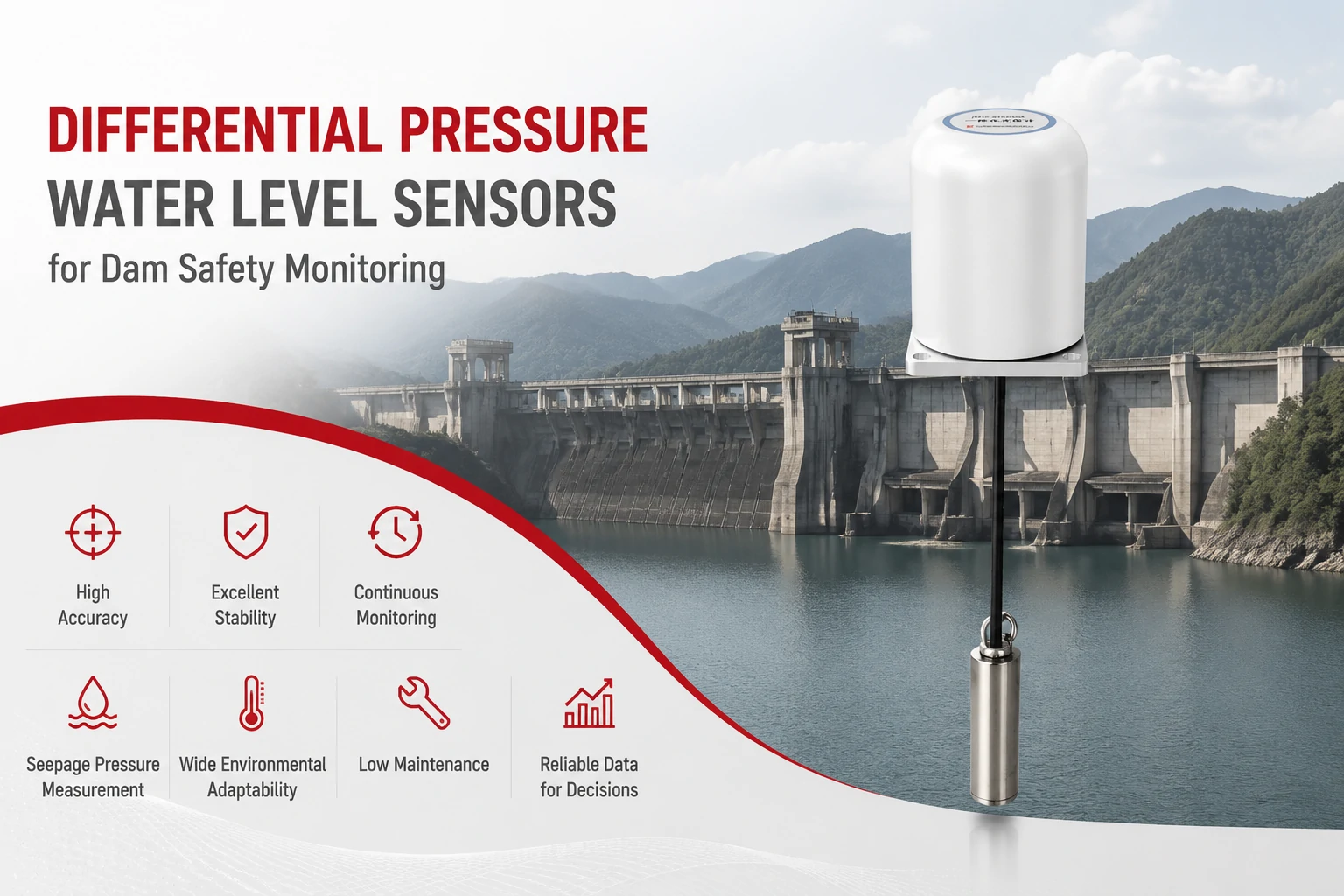
Key Takeaways The strongest fit is usually a confined, submerged, or s...
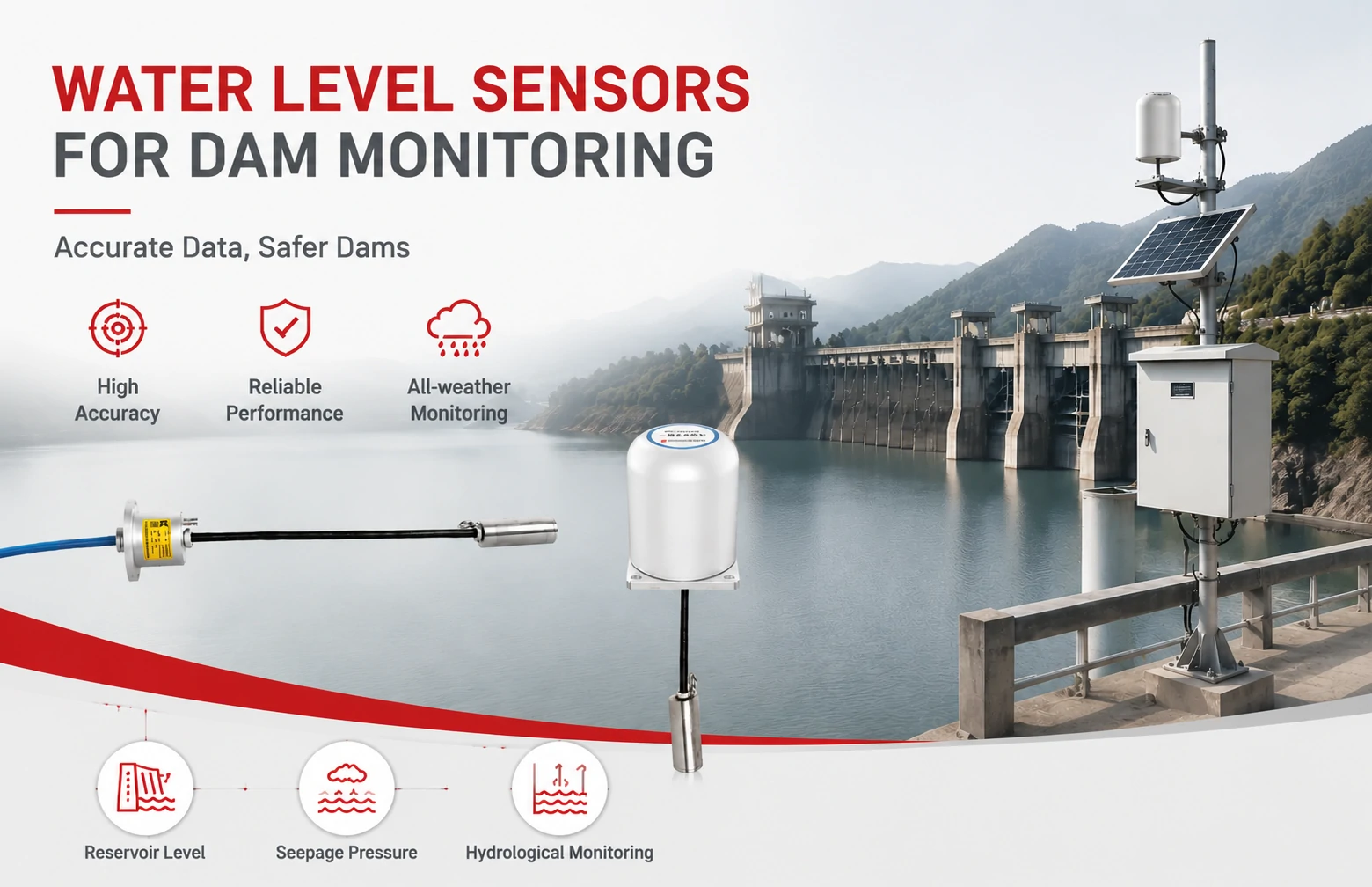
Kingmach Water Level Sensors for Dam Monitoring: A Buyer's Guide to Differential Pre...
Products
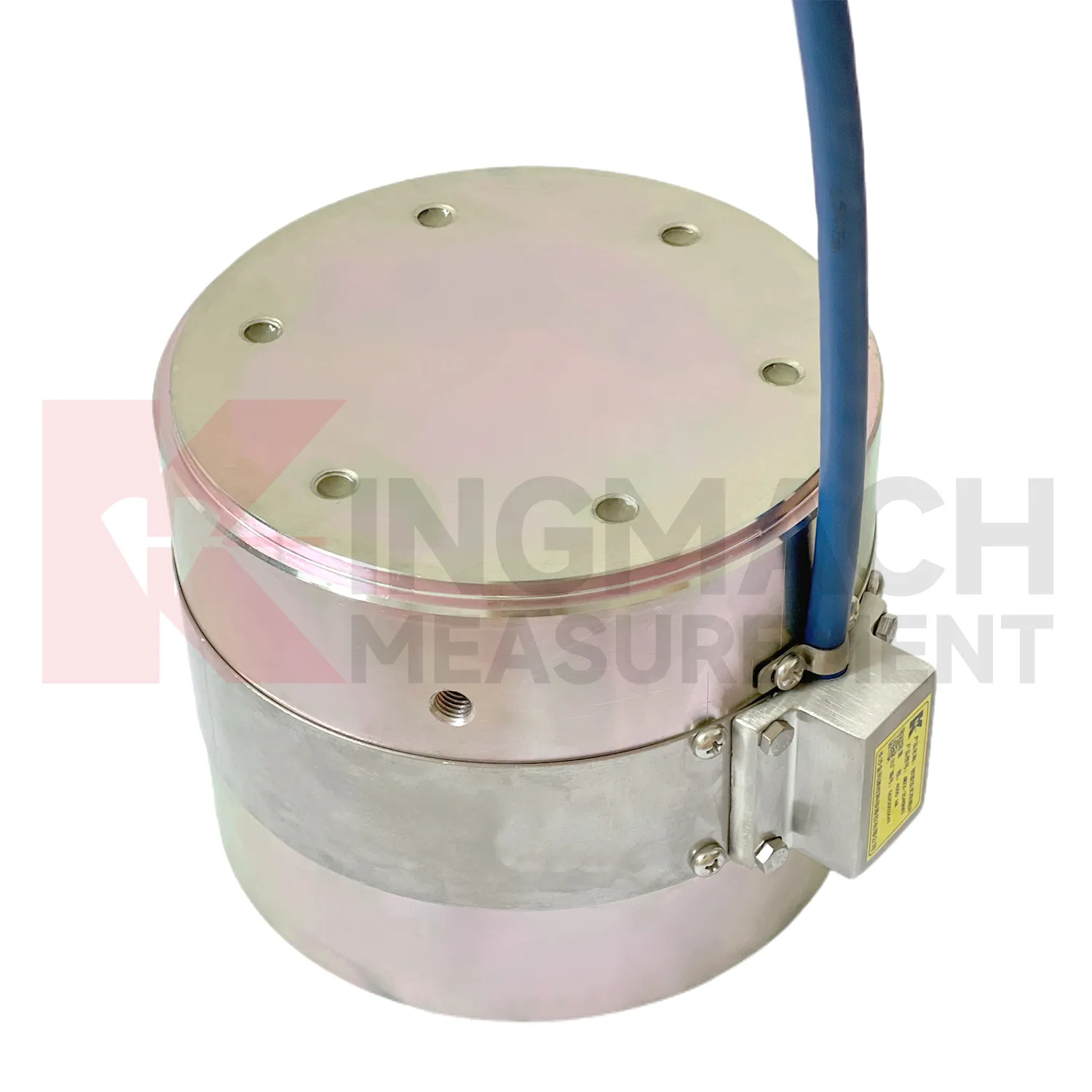
Solid load cell JMZX-34XXHAT、35XXHAT、36XXHAT
View Details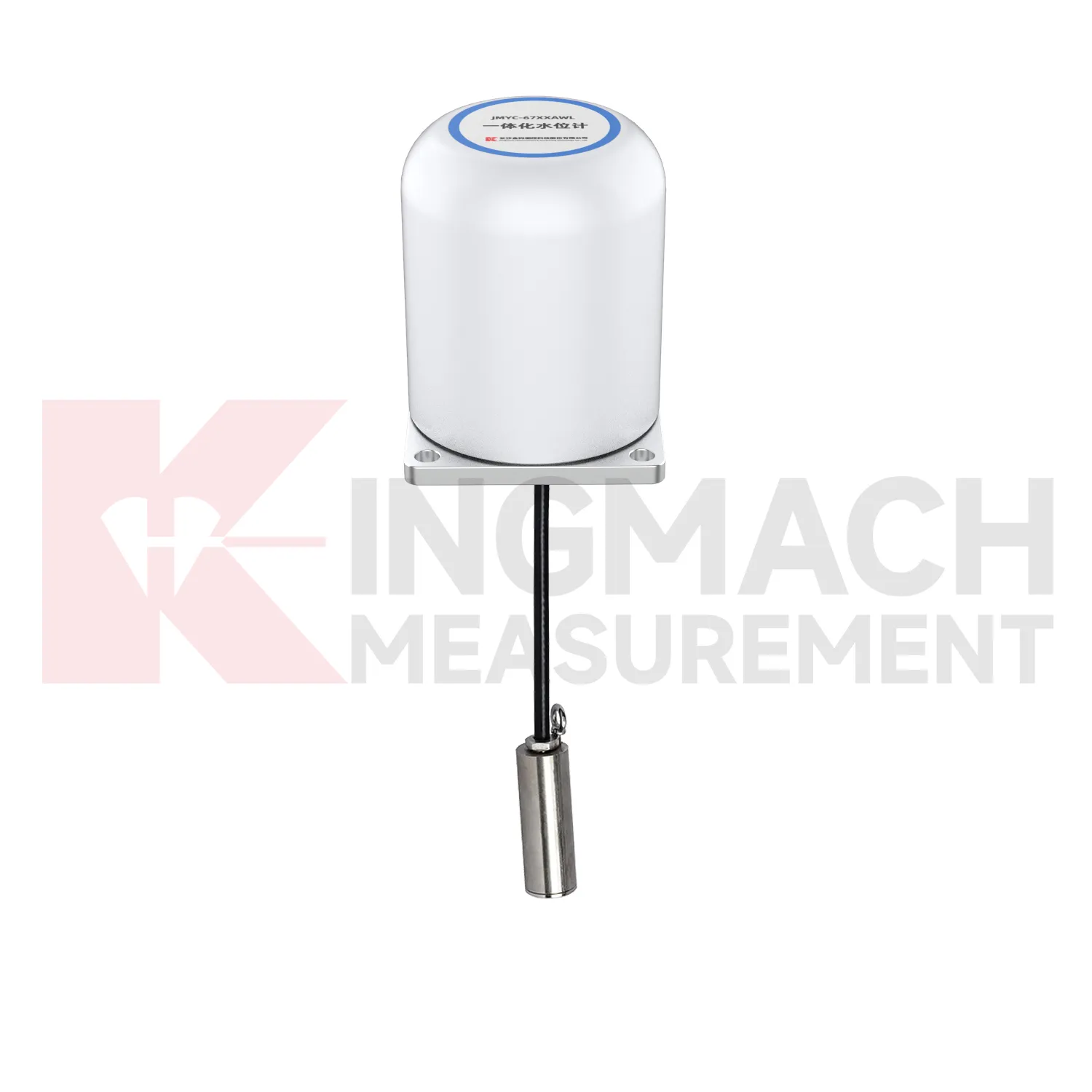
Integrated Wide-Range Differential Pressure Water Level Meter JMYC-67XXAWL
View Details
Smart Vibrating Wire PiezometerSmart Piezometers (VW) JMZX-55XXHAT
View DetailsFAQ
Our vibrating wire piezometers go as deep as needed, provided the cable length is specified upfront. We’ve supplied units for boreholes over 200 meters. The key concern isn’t the sensor depth but ensuring proper saturation of the filter tip and a good grout seal at the installation level. We recommend talking to our support team about your hole diameter and water quality—saline or acidic groundwater might require a different housing material.
Once installed, a piezometer doesn’t need much hands-on maintenance. The main checks are data quality—looking for drift or sudden jumps that could indicate sensor damage or air bubbles. Every couple of years, it’s smart to perform a field calibration check if you have access, but permanently grouted piezometers usually just get compared against a nearby standpipe reading. Kingmach provides long-term zero drift specs and can advise on troubleshooting remotely if the readings go wonky.
It’s not the same unit. For standpipe installations, you’d use a much thinner probe that fits inside the pipe. Our custom piezometers come in various diameters, so you can get one that slides into a standard 50mm PVC standpipe. For fully grouted boreholes, the sensor body is thicker and often has a larger filter stone. We can build both types, but specify your installation method when ordering so we match the body geometry.
Response time depends more on the surrounding soil permeability and filter stone than the sensor. In sand, a clean filter tip will react within seconds; in tight clay, it can take hours. Our vibrating wire sensors have near-instantaneous response once the pore pressure reaches the diaphragm. If you need faster equilibration, we can supply a smaller diameter filter stone or pre-saturated tip. It’s all about matching the piezo to the ground conditions.
Share your product type, target capacity, and application requirements. Our team can review the details and recommend a practical next step.
If you are interested in our products or want to become our partner.
Please leave your contact information, our team will contact you as soon as possible.
Mail: [email protected]
Contact Us: +8613808434127
Address: No. 188 Tongzipo West Rd, Changsha, Hunan, China