
 EN
EN
 ar
ar bg
bg hr
hr cs
cs da
da nl
nl fi
fi fr
fr de
de el
el hi
hi it
it ko
ko no
no pl
pl pt
pt ro
ro ru
ru es
es sv
sv tl
tl iw
iw id
id lv
lv lt
lt sr
sr sk
sk sl
sl uk
uk vi
vi et
et hu
hu th
th tr
tr fa
fa ms
ms hy
hy ka
ka ur
ur bn
bn mn
mn ta
ta kk
kk uz
uz ku
ku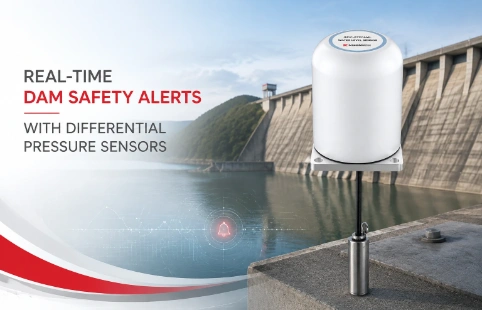
Real-Time Dam Safety Alerts with Differential Pressure Water Level Sensors
Key Takeaways An alert chain needs more than a sensor: define field in...

Strain Gauge Pressure Transducers That Handle Harsh Sites
When you're embedding sensors in earthfill or casting them into concrete, the pressure transducer has to survive the installation itself before delivering data. Kingmach has built strain gauge pressure transducers that focus on surviving those rough conditions while still giving you stable readings. These aren’t lab devices—they’re meant for real jobs, where cable pulls, wet mix, and long cable runs are part of the job. The strain gauge sensing element is protected inside a robust stainless steel housing, with a design that resists moisture ingress and mechanical overload. Our model series covers common geotechnical and structural monitoring applications: total stress in soil, contact pressure under foundations, and radial pressure on tunnel linings. Since many of our users face non-standard pressure ranges or need specific cable lengths, we keep customization simple. You choose the capacity, the cable type, the output signal, and we build it around a field-proven core.
Technical Detail
At the heart of these sensors is a foil-type strain gauge bridge bonded to a pressure-sensing diaphragm. As external pressure deforms the diaphragm, the resistance change in the gauges is converted into a voltage or current signal through onboard signal conditioning. The typical configuration uses a Wheatstone bridge with temperature compensation to keep the zero and span stable from -20°C to +70°C. The welded stainless steel body allows the transducer to be directly buried in soils or embedded in concrete without extra protection. Standard pressure ranges span from 200 kPa up to 10 MPa, covering most earth pressure, pile tip resistance, and shotcrete stress applications. The output can be specified as 4-20 mA, 0-5 V, or millivolt-level unamplified for datalogger inputs. We also match the diaphragm stiffness to the expected material—softer soils get a stiffer design, while rock-concrete interfaces use a more compliant diaphragm to reduce arching effects. The cable entry uses a pressure-tight gland system that survives water heads up to 100 meters when properly terminated. Kingmach supplies these transducers as part of a wider geotechnical monitoring lineup, meaning you get the sensor, datalogger compatibility advice, and commissioning support from one source.
News
Key Takeaways An alert chain needs more than a sensor: define field in...
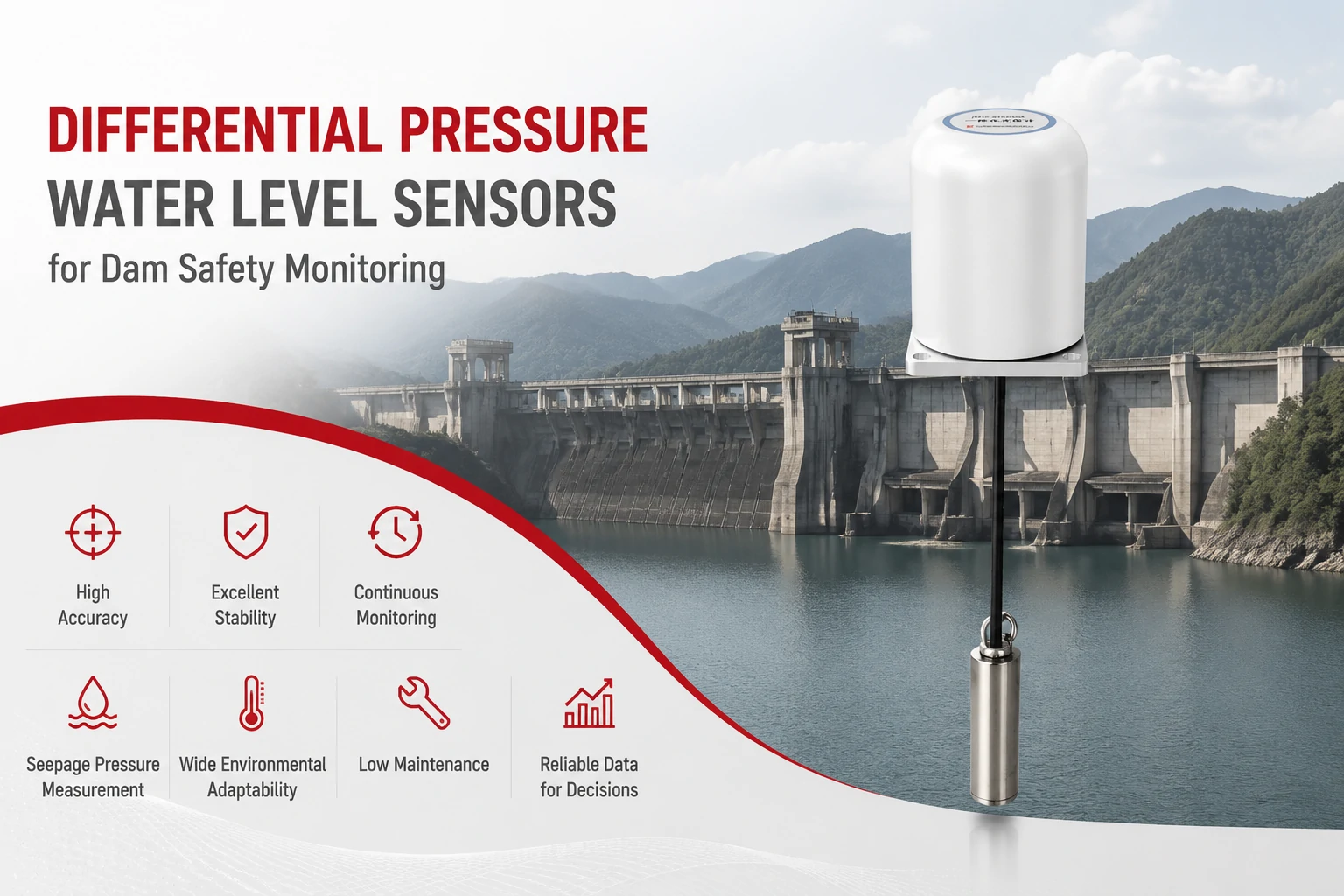
Key Takeaways The strongest fit is usually a confined, submerged, or s...
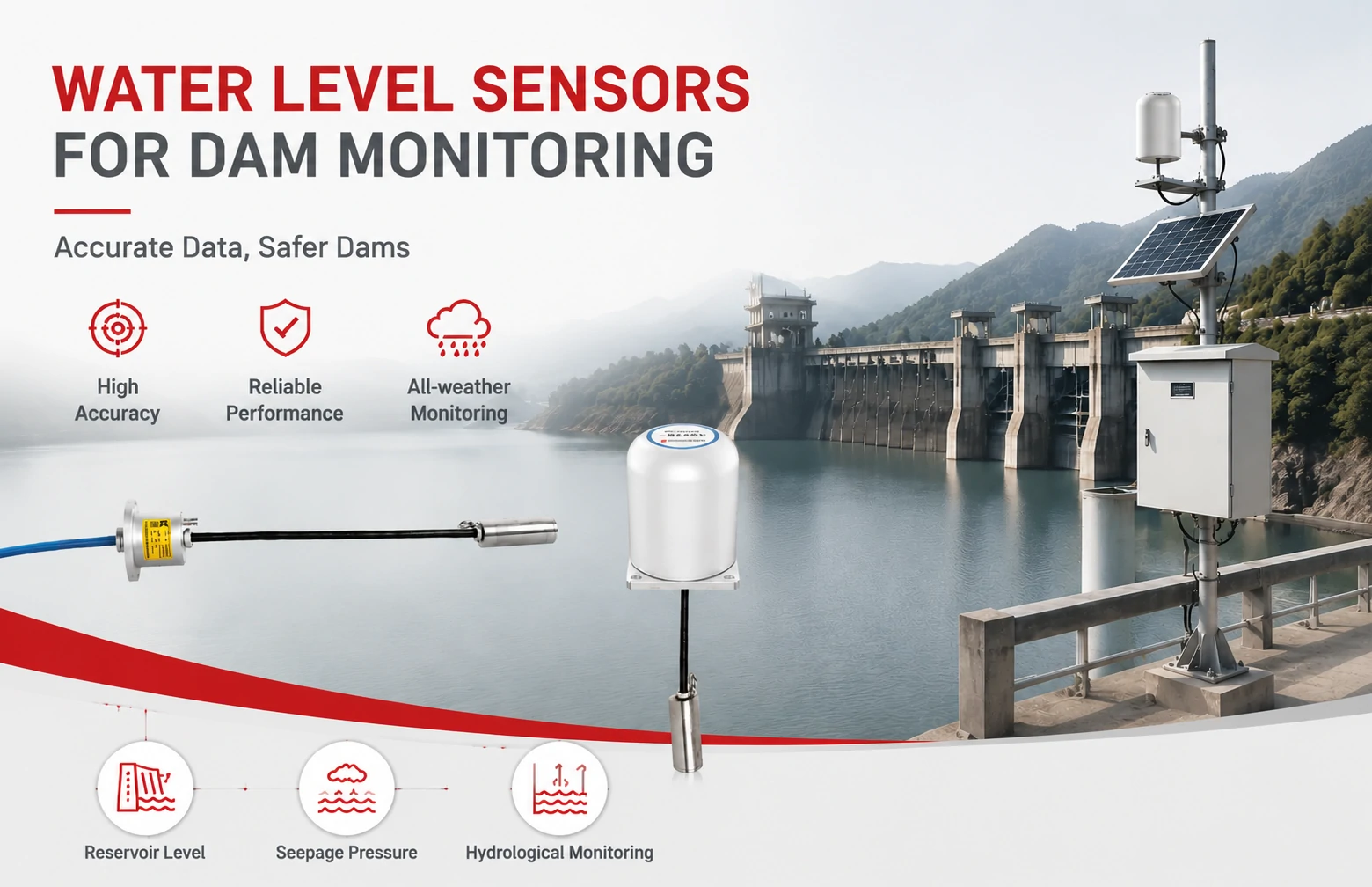
Kingmach Water Level Sensors for Dam Monitoring: A Buyer's Guide to Differential Pre...
Products
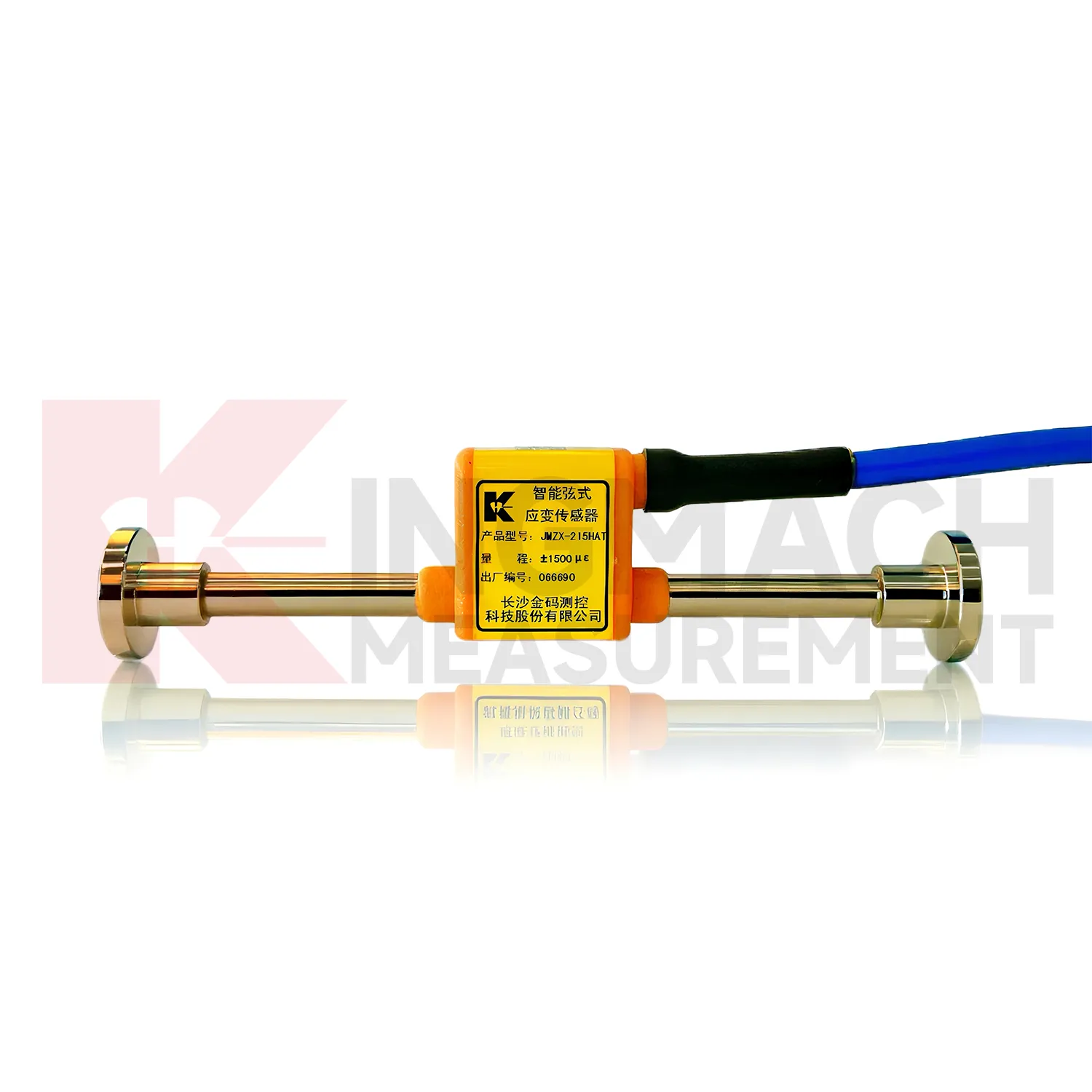
Smart vibrating wire strain gauge (embedment model) JMZX-215HA/215HAT/HB
View Details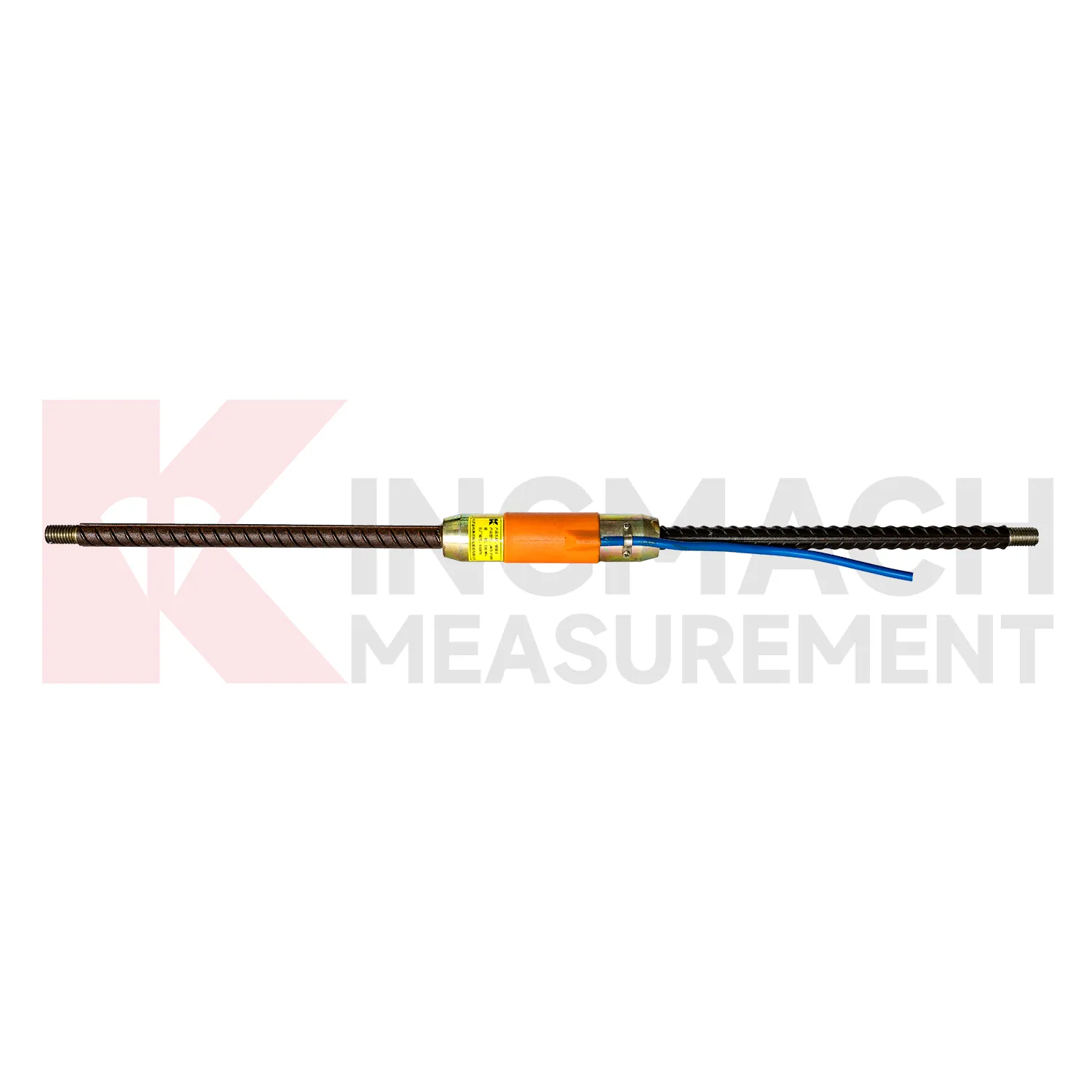
Rebar Strainmeters ( VW & Smart Type) JMZX-4XXHAT/HB
View Details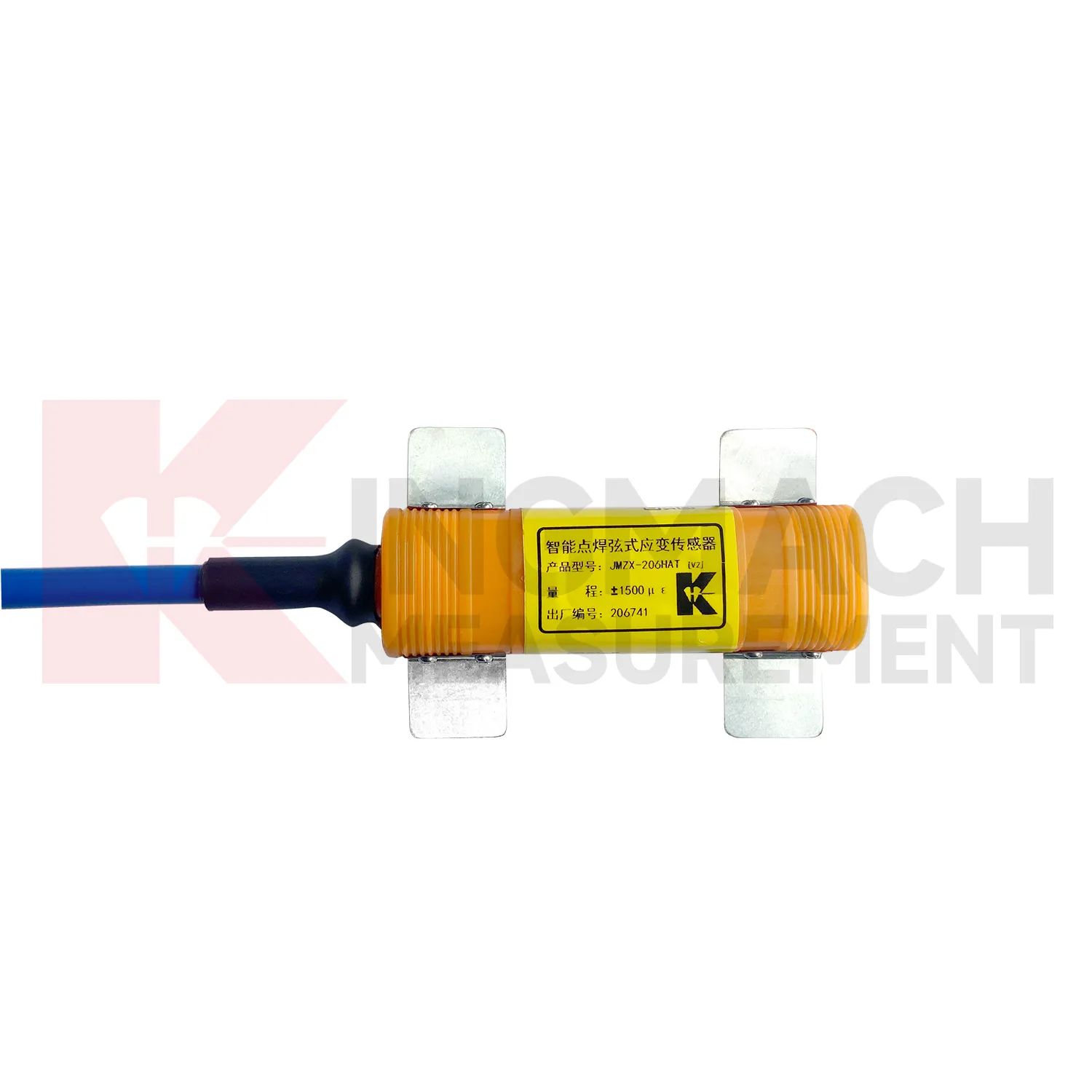
Smart vibrating wire strain gauge (surface welded model) JMZX-206HAT
View DetailsFAQ
If you need fast dynamic response—like for pile driving or impact loads—strain gauge is the better choice. Vibrating wire sensors are slower but excel in long-term drift stability and are immune to cable resistance changes. For static total pressure monitoring where cables are long and conditions are wet, vibrating wire often wins. But strain gauge sensors are more cost-effective for shorter-term construction monitoring or where you already have a datalogger set up for analog signals.
Most of our strain gauge pressure transducers deliver ±0.25% to ±0.5% full-scale accuracy, including non-linearity, hysteresis, and repeatability. The true accuracy in the field also depends on installation quality and thermal gradients. We recommend a thermal soak after embedding to let temperatures equalize before taking zero readings.
Yes, the strain gauge sensing principle has a very fast response time—typically less than 1 millisecond. You’re mainly limited by the frequency response of the diaphragm and the signal conditioner. For impact or blast monitoring, specify the high-frequency option, which uses a stiffer diaphragm and a wider bandwidth amplifier.
Custom ranges are straightforward: we select a diaphragm thickness and gauge factor to match your required span. For cables, we can attach lengths up to several hundred meters with proper shielding. Just let us know the cable length, output signal type, and any chemical exposure concerns, and we’ll quote accordingly. Lead times are typically 2-3 weeks for non-stock configurations.
It depends on the output. For 4-20 mA sensors, any logger with a current input and 12-24 V excitation works. For mV/V output, you’ll need a logger that can provide regulated excitation and measure a ratiometric bridge—most geotechnical loggers like Campbell Scientific CR series or DataTaker do this. We can help you match the sensor to your existing system.
Share your product type, target capacity, and application requirements. Our team can review the details and recommend a practical next step.
If you are interested in our products or want to become our partner.
Please leave your contact information, our team will contact you as soon as possible.
Mail: [email protected]
Contact Us: +8613808434127
Address: No. 188 Tongzipo West Rd, Changsha, Hunan, China