
 EN
EN
 ar
ar bg
bg hr
hr cs
cs da
da nl
nl fi
fi fr
fr de
de el
el hi
hi it
it ko
ko no
no pl
pl pt
pt ro
ro ru
ru es
es sv
sv tl
tl iw
iw id
id lv
lv lt
lt sr
sr sk
sk sl
sl uk
uk vi
vi et
et hu
hu th
th tr
tr fa
fa ms
ms hy
hy ka
ka ur
ur bn
bn mn
mn ta
ta kk
kk uz
uz ku
ku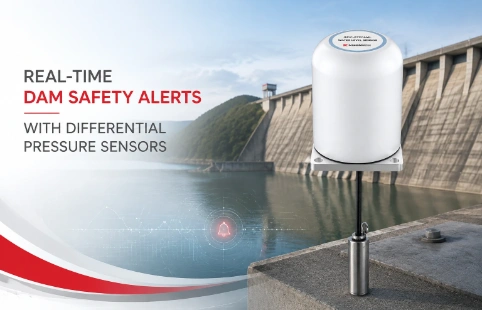
Real-Time Dam Safety Alerts with Differential Pressure Water Level Sensors
Key Takeaways An alert chain needs more than a sensor: define field in...

Strain Gauge Weight Measurement Systems That Work in the Field
Weight measurement with strain gauges isn’t just about lab precision. It’s about keeping readings stable when the environment gets rough. Kingmach has been building instruments for geotechnical and structural monitoring long enough to know that a sensor is only as good as its installation. Our strain gauge weight measurement solutions are used in hopper scales, pile load tests, silo weighing, and force monitoring on construction sites—places where dust, moisture, and vibration are part of the job. We don’t sell off-the-shelf only. Most projects need some adaptation: a different mounting style, extended temperature compensation, or integration into an existing data logger. That’s where our customization comes in. We keep a wide range of load cell capacities and structures so you don’t have to redesign your setup around a sensor. This approach comes from years of supplying monitoring instruments worldwide, with technical support that speaks your application language, not just the manual.
Technical Detail
Kingmach’s strain gauge weight measurement devices are built around proven metal foil strain gauge technology. We focus on practical engineering rather than lab-grade metrology, offering sensors that handle real-world conditions. Our load cells cover capacities from a few kilograms to hundreds of tonnes, using double-ended shear beam, S-type, and column designs depending on the installation. Temperature effects are a known headache in weight measurement—our standard temperature compensation works from -20°C to 60°C, with extended ranges available for outdoor silo weighing or cold climate anchor load tests. Output options include mV/V analog signal, 4–20 mA, or RS485 digital with protocols like Modbus RTU. We also supply junction boxes, summing cards, and display readouts for a complete signal chain. The sensing elements are protected to IP67 or IP68 when submersible housings are required. For geotechnical applications like pile testing, we integrate our strain gauge load cells into king piles or bearing plates and pair them with our own data loggers that record over days or weeks without drift. Every system leaves our factory with a calibration certificate traceable to national standards. Because we keep a large inventory of standard models and can machine adapters quickly, lead times often stay under four weeks even for modified orders. If your setup has constraints—tight access, limited space between bolt holes, or specific overload requirements—we can start from a close standard and tweak the mechanical and electrical specs.
News
Key Takeaways An alert chain needs more than a sensor: define field in...
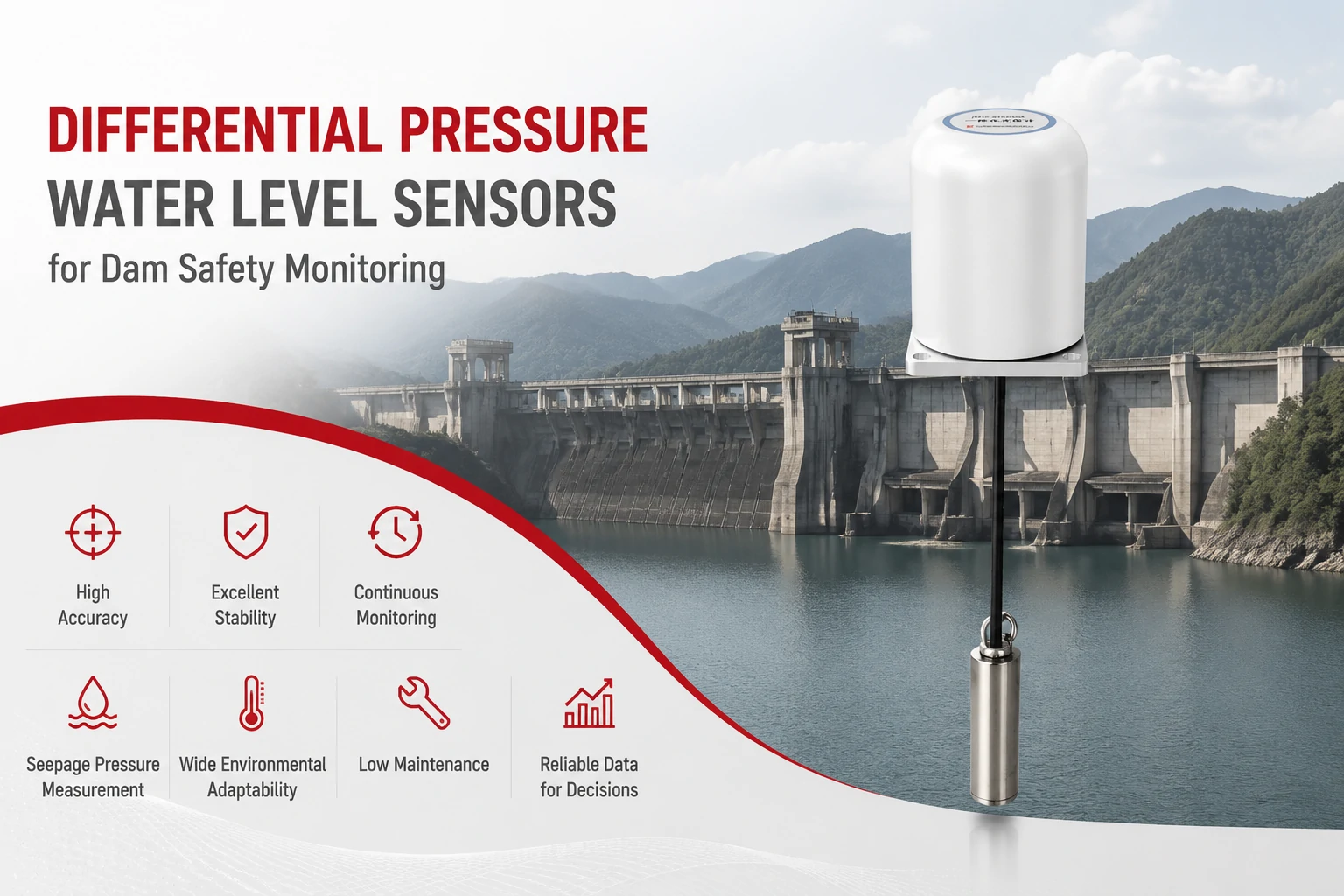
Key Takeaways The strongest fit is usually a confined, submerged, or s...
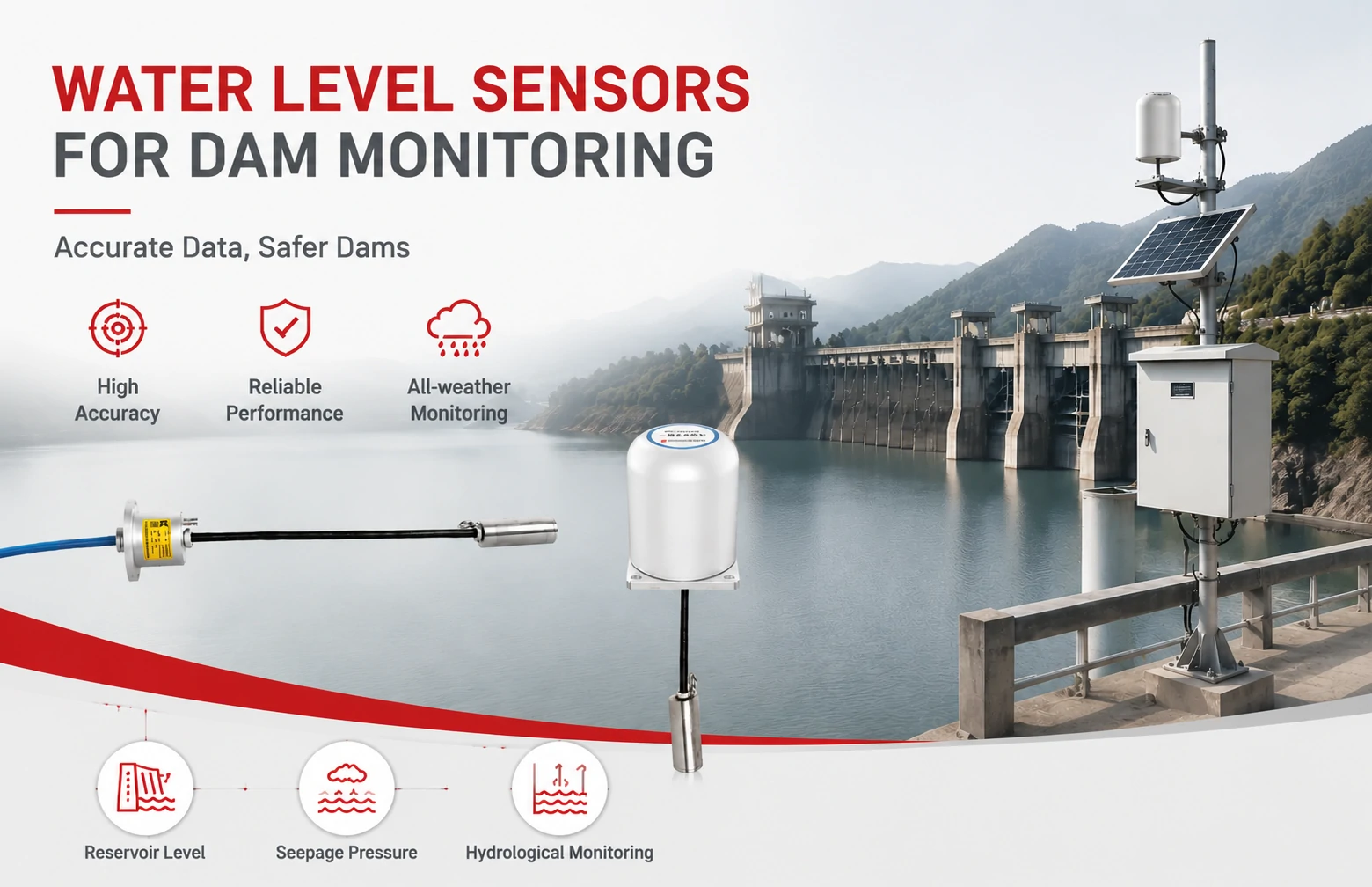
Kingmach Water Level Sensors for Dam Monitoring: A Buyer's Guide to Differential Pre...
Products
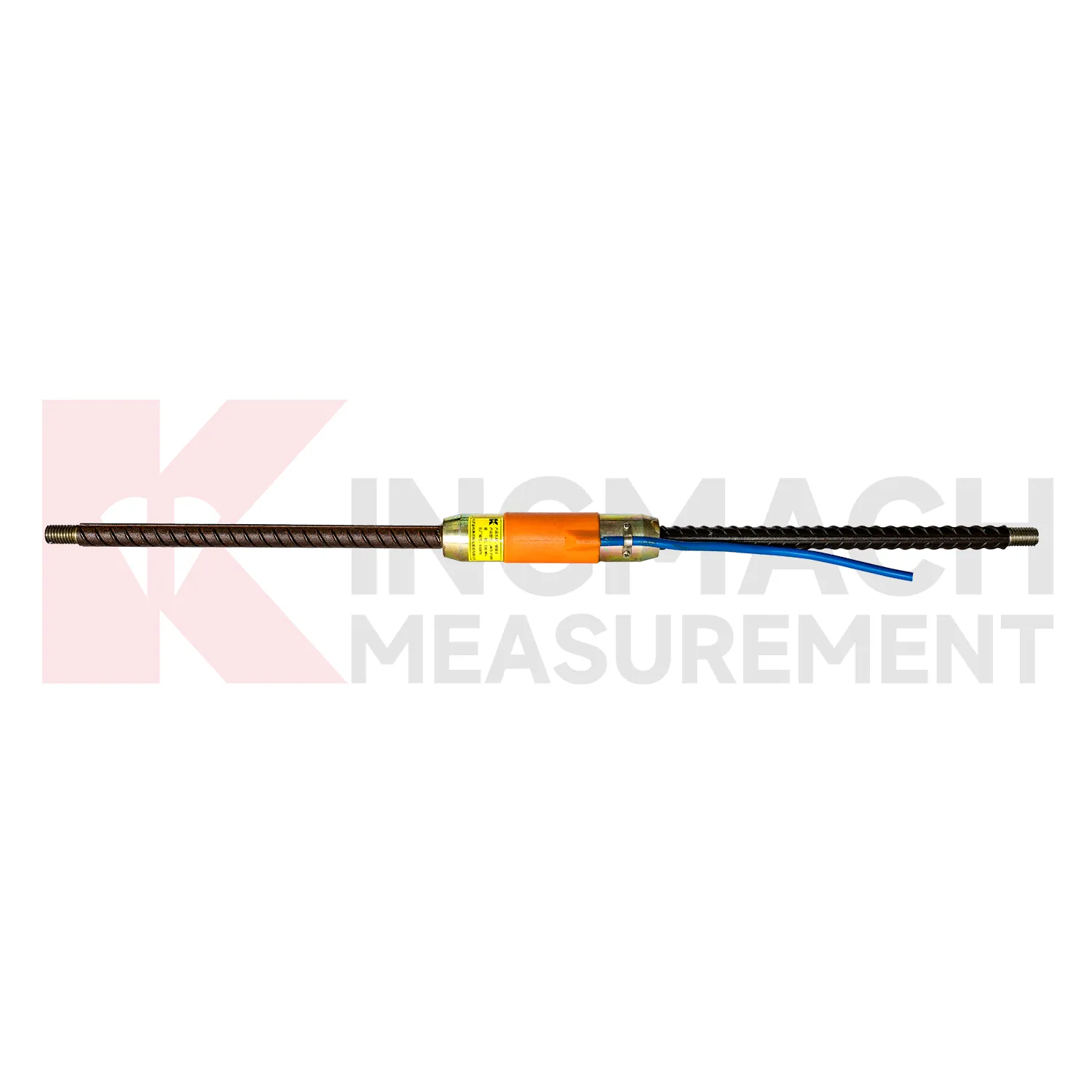
Rebar Strainmeters ( VW & Smart Type) JMZX-4XXHAT/HB
View Details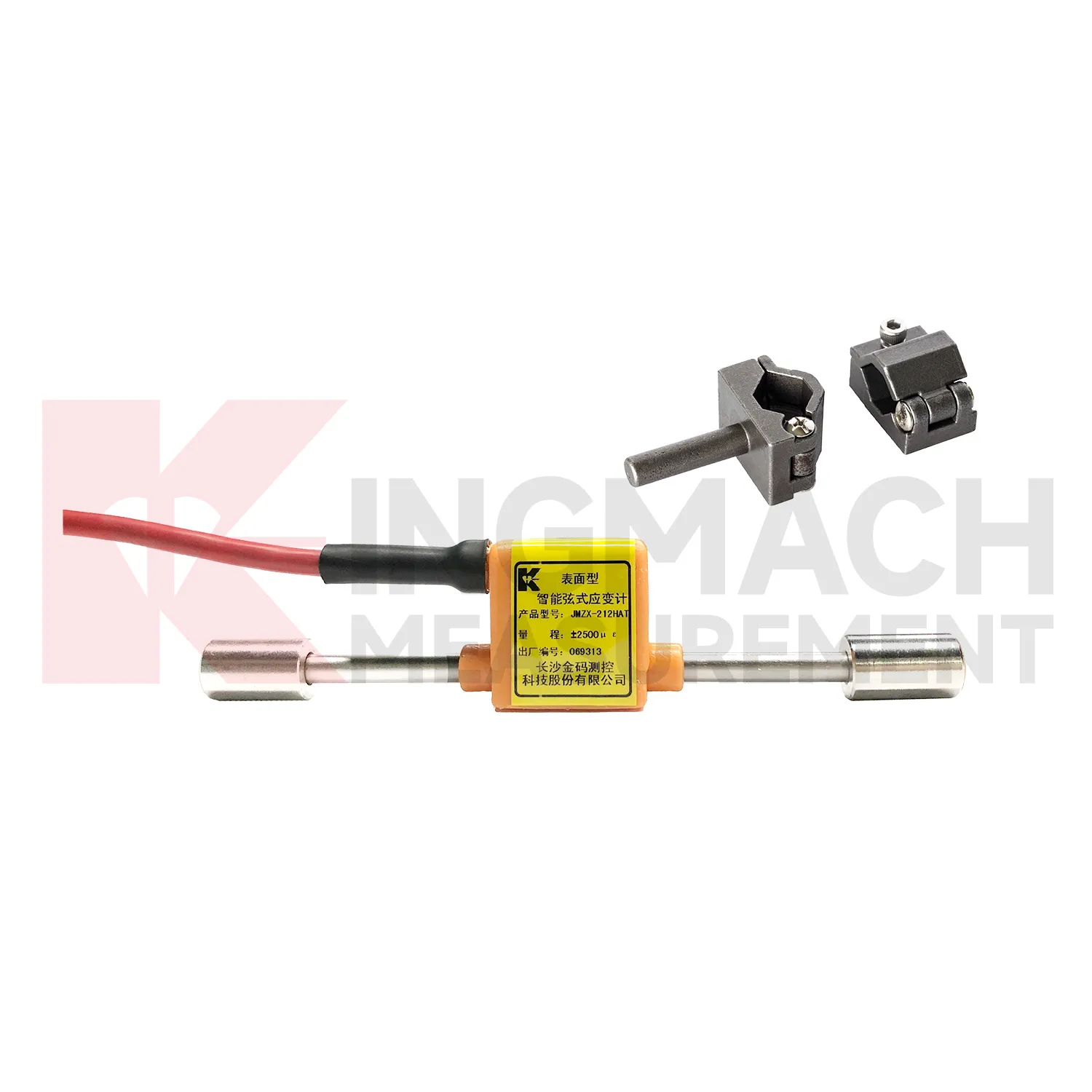
Smart vibrating wire strain gauge (surface model) JMZX-212HAT/HB
View Details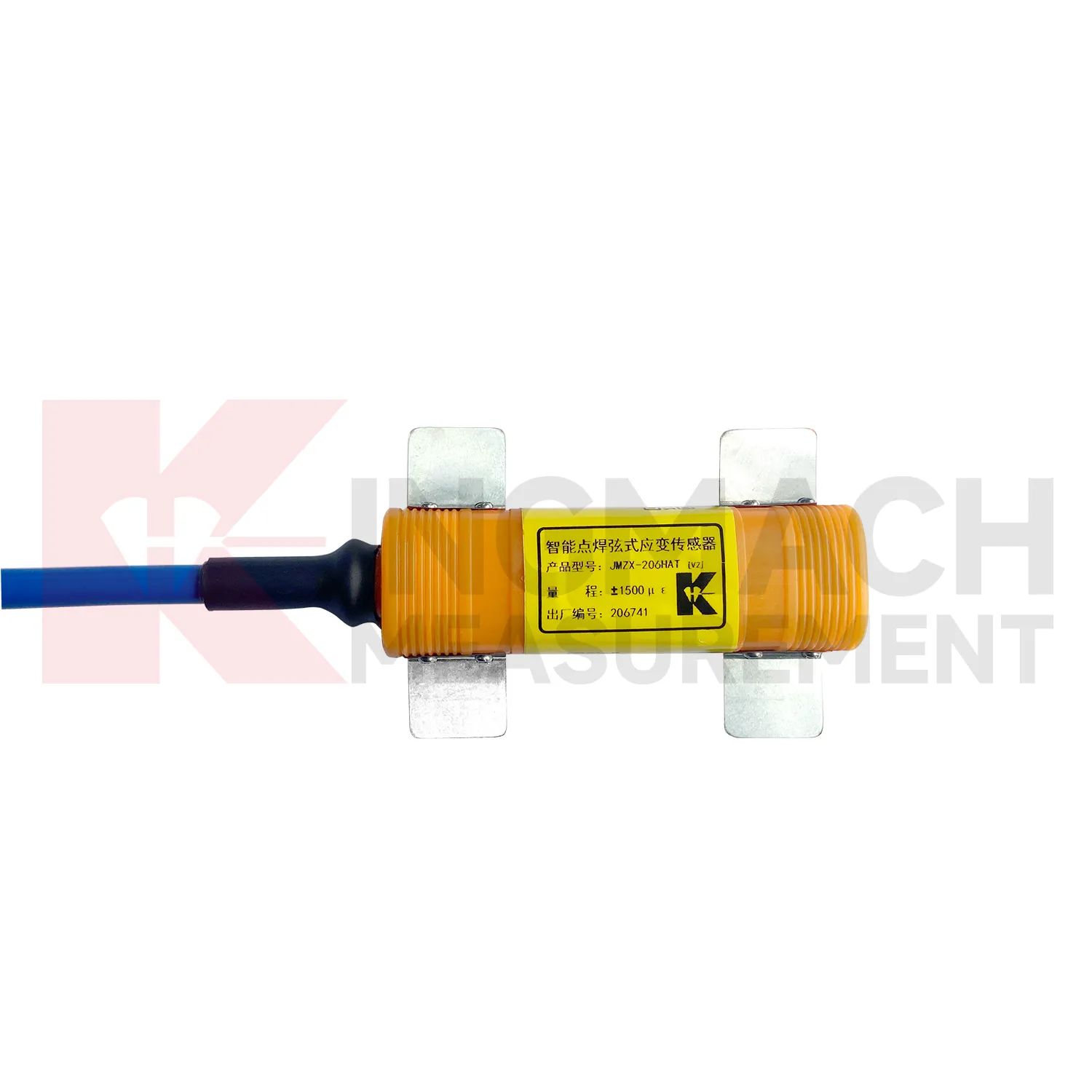
Smart vibrating wire strain gauge (surface welded model) JMZX-206HAT
View DetailsFAQ
Strain gauge sensors give faster settling time and easier data logging compared to hydraulic systems. They don’t need a pressure gauge and hand pump on site, which means fewer things to leak or recalibrate mid-test. On the other hand, hydraulic cells can handle moisture and dirt with less worry about electrical failure. Kingmach often supplies both types, but many geotechnical contractors prefer strain gauge instruments when they want to automate data collection and reduce setup time.
Yes, with a summing box. You connect all the sensors to a junction box that adds the signals and gives you one total load reading. Kingmach provides summing cards that are matched to the impedance and sensitivity of your particular load cells so you don’t lose accuracy from mismatched excitation. We can also supply a multi-channel display that shows individual readings if you need to check an unbalanced leg.
If you overload within the safe overload rating (typically 150% of full capacity), the sensor goes back to normal without damage. Exceed the ultimate overload limit, and the metal element deforms permanently—then you need a repair or replacement. Kingmach builds in mechanical stops on many models to prevent accidental overloading during installation. We also stress-test to 200% briefly during calibration to catch any early failures. After a significant overload event, it’s smart to do a quick shunt calibration check or send the unit back for verification. Most users check the zero balance and bridge resistance on site first.
Generally yes. We follow industry wiring standards, so sensors with mV/V output connect to any logger that supplies stable excitation and reads a Wheatstone bridge. For digital outputs like RS485/Modbus, we provide protocol documentation and register maps. If you have a specific logger, our support team can check compatibility and often help with a test configuration file to get you started.
Share your product type, target capacity, and application requirements. Our team can review the details and recommend a practical next step.
Related Keywords
If you are interested in our products or want to become our partner.
Please leave your contact information, our team will contact you as soon as possible.
Mail: [email protected]
Contact Us: +8613808434127
Address: No. 188 Tongzipo West Rd, Changsha, Hunan, China